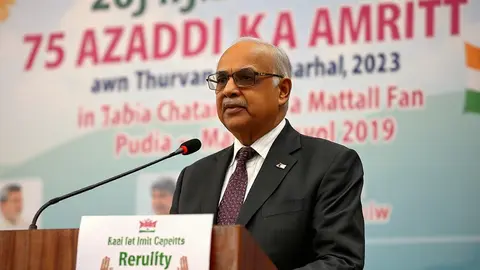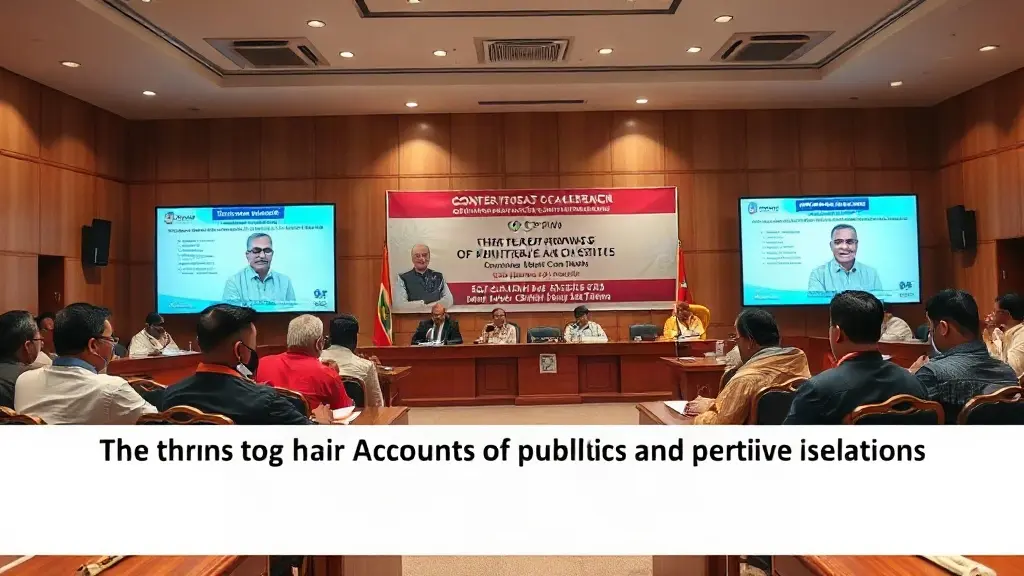
In a significant move towards enhancing governance and accountability, the Conference of Chairpersons of Public Accounts Committees (PACs) of [Parliament](/topic/parliament-of-india) and State/UT Legislatures adopted a resolution on November 4, 2026, in Thiruvananthapuram, Kerala. This resolution aims to establish a robust mechanism for continuous peer learning, the exchange of best practices, and sharing of procedural innovations among PACs across the country. The initiative is expected to transform the oversight capabilities of these committees, ensuring they are better equipped to handle the complexities of modern governance.
Establishing a Digital Portal for Continuous Learning
One of the key components of the resolution is the creation of a digital portal designed to facilitate ongoing peer learning among PACs. This portal will serve as a platform for members to share insights, strategies, and successful practices that can enhance their effectiveness. According to the resolution, this initiative is crucial for fostering a culture of collaboration and innovation within the PACs, which are essential for maintaining accountability in public spending.
Standardized Timelines for Action Taken Notes
In addition to the digital portal, the resolution emphasizes the need for standardized timelines for the submission of Action Taken Notes (ATNs) on audit observations and PAC recommendations across all States and Union Territories (UTs). This measure aims to streamline the process and ensure timely responses to audit findings, thereby improving the overall efficiency of governance. The establishment of these timelines is expected to hold public officials accountable and enhance transparency in government operations.
Development of the Audit Para Monitoring System
The resolution also calls for the development of a digital oversight system, specifically the Audit Para Monitoring System (APMS), to be implemented in all State/UT PACs. This system will enable PACs to monitor audit observations more effectively and ensure that necessary actions are taken promptly. By leveraging technology, PACs can enhance their oversight capabilities and address high-risk areas of governance that require immediate attention.
Capacity Building through Specialized Training
Recognizing the importance of well-trained personnel, the resolution outlines plans to enhance the institutional capacity of PAC Secretariats. This will be achieved through regular training and orientation sessions conducted by specialized training institutes. The goal is to equip PAC members with analytical tools necessary for examining complex technical and financial issues. By investing in training, the resolution aims to build a more competent and capable workforce within the PACs, ultimately leading to better governance outcomes.
Increased Frequency of PAC Meetings
To ensure that audit observations are addressed in a timely manner, the resolution proposes that PACs hold a minimum of three sittings each month. Additionally, it encourages the formation of Sub-Committees within State/UT Legislatures PACs to expedite the examination and clearance of pending audit observations. This proactive approach is expected to enhance the responsiveness of PACs and ensure that issues are addressed before they escalate into larger governance challenges.
Collaboration with the Office of the Comptroller and Auditor General
A critical aspect of the resolution is the strengthening of collaboration with the Office of the Comptroller and Auditor General (C&AG). By leveraging advanced forensic tools, PACs can identify high-risk areas of governance that require immediate legislative oversight. This partnership is expected to enhance the effectiveness of audits and ensure that the findings lead to actionable insights for improving public accountability.
Conclusion: A New Era for Public Accountability
The resolution adopted at the Conference of Chairpersons of Public Accounts Committees marks a pivotal moment in the evolution of public accountability in India. By embracing digital solutions and committing to continuous learning and improvement, PACs are poised to enhance their oversight capabilities significantly. This initiative not only reflects a commitment to good governance but also sets a precedent for other legislative bodies to follow. As these measures are implemented, the impact on governance and public accountability will be closely monitored, with the potential for significant improvements in how public funds are managed and utilized.
| Metric | Details |
|---|---|
| Date of Resolution | November 4, 2026 |
| Location | Thiruvananthapuram, Kerala |
| Key Initiatives | Digital portal, standardized timelines, APMS |
| Frequency of PAC Meetings | Minimum of three sittings per month |
| Collaboration with C&AG | Enhanced forensic tools for oversight |