Introduction to the Digital Audit Initiative
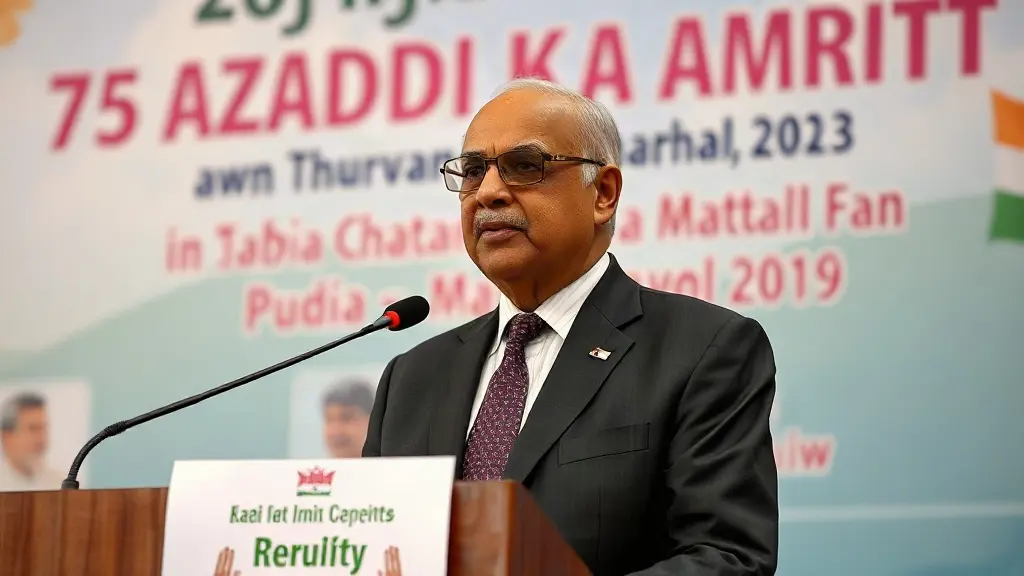
In a significant move to enhance legislative oversight, Lok Sabha Speaker Om Birla has proposed the establishment of a common digital audit monitoring platform for state legislatures, mirroring the existing system utilized by [Parliament](/topic/parliament-of-india). This initiative was announced during the valedictory address at the Conference of Chairpersons of [Public Accounts Committees](/public-accounts-committees-unite-to-enhance-governance-with-digital-solutions) (PACs) of Parliament and State/UT Legislatures held in Thiruvananthapuram on November 4, 2026. The proposal aims to facilitate systematic monitoring of audit observations, strengthen follow-up mechanisms, and ensure timely examination and disposal of audit reports.
Emphasizing Technological Integration in Governance
During his address, Speaker Birla underscored the critical role of technology in institutional transformation. He stated, "The adoption of digital innovations would significantly enhance the efficiency, transparency, and effectiveness of legislative oversight." This sentiment reflects a growing recognition of technology's potential to streamline processes and improve accountability within legislative frameworks. However, he also cautioned against an overreliance on technology, emphasizing that advancements must be anchored in human values and wisdom.
Birla articulated that while technology can reinforce institutional accountability, it cannot replace human judgment. He remarked, "The credibility of technology-driven governance ultimately rests on the reliability of the information on which decisions are based." This highlights the necessity for maintaining the accuracy and impartiality of data generated through digital platforms, ensuring that technology serves as a tool for enhancing, rather than undermining, the quality of decision-making.
The Keralam Resolution: A Roadmap for Legislative Oversight
The conference also saw the adoption of the Keralam Resolution, which aims to provide a comprehensive framework for strengthening the functioning of PACs across the country. Birla noted that the resolution would serve as a guiding roadmap for enhancing public accounts committees' effectiveness in scrutinizing public expenditure. He emphasized the importance of evolving a robust system of audit and evaluation, stating, "Centre and states must work in tandem to address common challenges relating to continuous scrutiny and timely disposal of audit reports."
The resolution calls for the sharing and replication of best practices and technological innovations among state PACs, fostering a collaborative environment that enhances the collective capacity of these committees. By establishing a coordinated institutional mechanism, the resolution aims to facilitate the exchange of experiences and strengthen legislative oversight.
The Role of Public Accounts Committees in Governance
Speaker Birla highlighted the indispensable role of PACs in ensuring accountability in public expenditure. He pointed out that while the Comptroller and Auditor General (CAG) conducts independent audits, it is the responsibility of PACs to examine audit findings and ensure effective follow-up on recommendations. He stated, "Audit observations must not remain confined to reports and records; they must translate into appropriate corrective measures and tangible improvements in administrative functioning."
This assertion underscores the need for PACs to not only review audit reports but also to actively engage in implementing recommendations that lead to improved governance. Birla stressed that the Executive must prioritize the recommendations of these committees and ensure their timely implementation to foster a culture of accountability and transparency.
Capacity Building and Training for Enhanced Effectiveness
In addition to proposing a digital audit platform, Speaker Birla emphasized the necessity of capacity building and training for PAC members, CAG officials, and legislative staff in emerging technologies. He noted that equipping these stakeholders with the necessary skills and knowledge is essential for maximizing the benefits of technological integration in legislative processes. This focus on training reflects a proactive approach to enhancing the effectiveness of legislative oversight through informed and skilled personnel.
Conclusion: A Vision for Transparent Governance
The initiatives proposed by Lok Sabha Speaker Om Birla signal a progressive step towards enhancing transparency and accountability in governance through technology. The establishment of a common digital audit monitoring platform, coupled with the Keralam Resolution, aims to create a more robust framework for legislative oversight. As these proposals are implemented, they hold the potential to transform the functioning of PACs and strengthen the overall governance framework in India.
The emphasis on human values alongside technological advancements serves as a reminder that while technology can enhance efficiency, it is the human element that ultimately drives effective governance. As India moves forward, the integration of technology in legislative processes must be approached with a balanced perspective, ensuring that it serves the greater good of accountability and transparency in public expenditure.
| Metric | Description |
|---|---|
| Date of Proposal | November 4, 2026 |
| Location | Thiruvananthapuram |
| Speaker | Om Birla |
| Key Focus | Digital Audit Monitoring Platform |
| Resolution | Keralam Resolution |
| Importance | Strengthening PACs and Legislative Oversight |