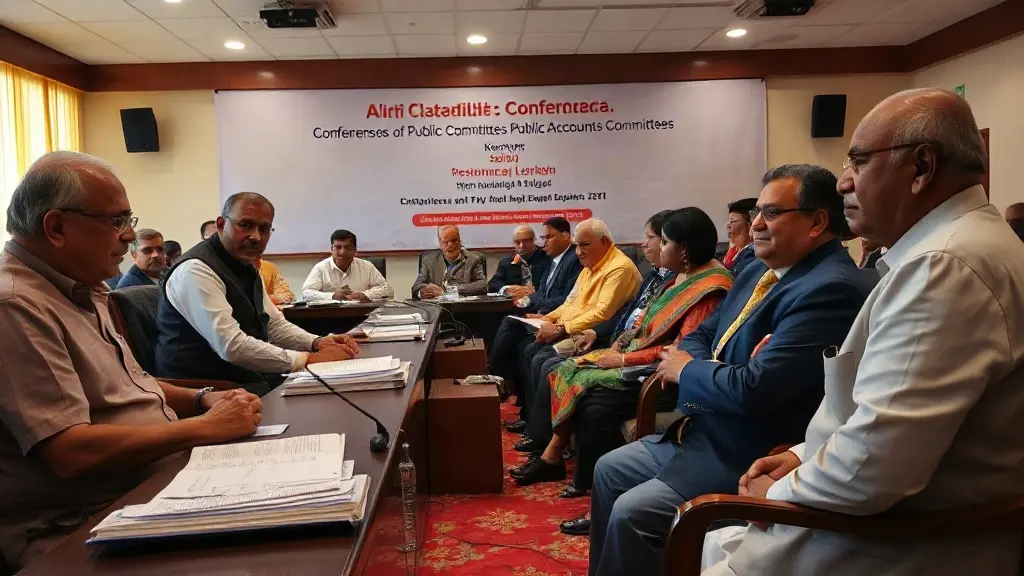
In a significant move towards enhancing governance and accountability, the Conference of Chairpersons of [[Public Accounts Committees](/public-accounts-committees-adopt-digital-portal-for-enhanced-governance)](/public-accounts-committees-adopt-digital-innovations-for-enhanced-governance) (PACs) of [Parliament](/topic/parliament-of-india) and State/UT Legislatures convened in Thiruvananthapuram, Kerala, from November 3 to 4, 2026. The conference culminated in the adoption of a resolution aimed at establishing a robust mechanism for continuous peer learning, sharing best practices, and procedural innovations through the creation of a digital portal.
Establishing a Digital Portal for Continuous Learning
The resolution emphasizes the necessity of a digital platform that will facilitate ongoing collaboration among PACs across various states and the central government. This digital portal is envisioned as a central hub for exchanging best practices and innovations in audit and accountability processes. The Chairpersons and Members of the PACs recognized that such a platform would not only streamline communication but also enhance the effectiveness of legislative oversight.
"The establishment of this digital portal is a step towards modernizing our approach to governance. It will allow us to learn from each other and implement successful strategies across different jurisdictions," stated a senior member of the PAC during the conference.
Standardized Timelines for Action Taken Notes
Another critical aspect of the resolution is the formulation of an action plan to prescribe standardized timelines for the submission of Action Taken Notes (ATNs) on audit observations and PAC recommendations. This initiative aims to ensure timely responses from various state governments, thereby improving accountability and transparency in governance.
The resolution calls for all States and Union Territories to adhere to these timelines, which are expected to significantly reduce delays in addressing audit findings. "Timely action on audit observations is crucial for effective governance. We must hold ourselves accountable to the people we serve," remarked a participant at the conference.
Development of Digital Oversight Systems
To further bolster oversight capabilities, the resolution includes the development of a digital oversight system, specifically the Audit Para Monitoring System (APMS), in all State/UT PACs. This system is designed to track the status of audit observations and ensure that they are addressed promptly.
The introduction of APMS is anticipated to enhance the efficiency of PACs by providing real-time data and analytics on audit findings. This will empower PAC members to make informed decisions and prioritize high-risk areas requiring immediate attention.
Capacity Building through Training and Resources
Recognizing the need for enhanced institutional capacity, the resolution also outlines plans for regular training and orientation sessions for PAC Secretariats. These sessions will be conducted by specialized training institutes and will equip PAC members with analytical tools necessary for examining complex technical and financial issues.
"Investing in training is essential for building a knowledgeable and skilled workforce within our PACs. This will enable us to tackle the challenges of modern governance effectively," emphasized a conference delegate.
Strengthening Legislative Oversight with Forensic Tools
The resolution further highlights the importance of collaboration with the Office of the Comptroller and Auditor General (C&AG) to leverage advanced forensic tools. This partnership aims to identify high-risk areas of governance that require immediate legislative oversight, ensuring that critical issues are addressed proactively.
The use of forensic tools is expected to enhance the scrutiny of financial transactions and governance practices, thereby reinforcing the integrity of public accounts.
Conclusion: A New Era of Accountability
The resolutions adopted at the Thiruvananthapuram conference mark a pivotal moment for Public Accounts Committees in India. By embracing digital innovations and committing to continuous learning and collaboration, PACs are poised to enhance their role in promoting accountability and good governance across the nation.
As the Chairpersons and Members of the PACs return to their respective states, the implementation of these resolutions will be closely monitored. The success of this initiative will depend on the collective commitment of all stakeholders involved in the governance process. The future of public accountability in India may very well hinge on the effectiveness of these newly adopted measures.