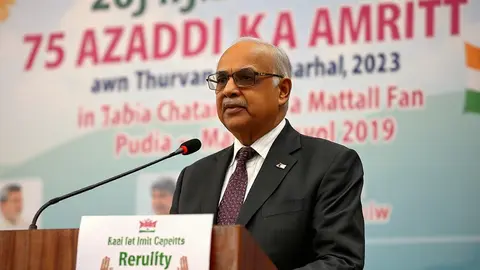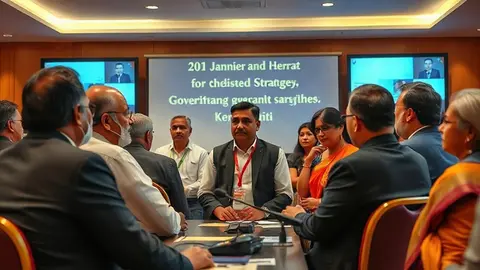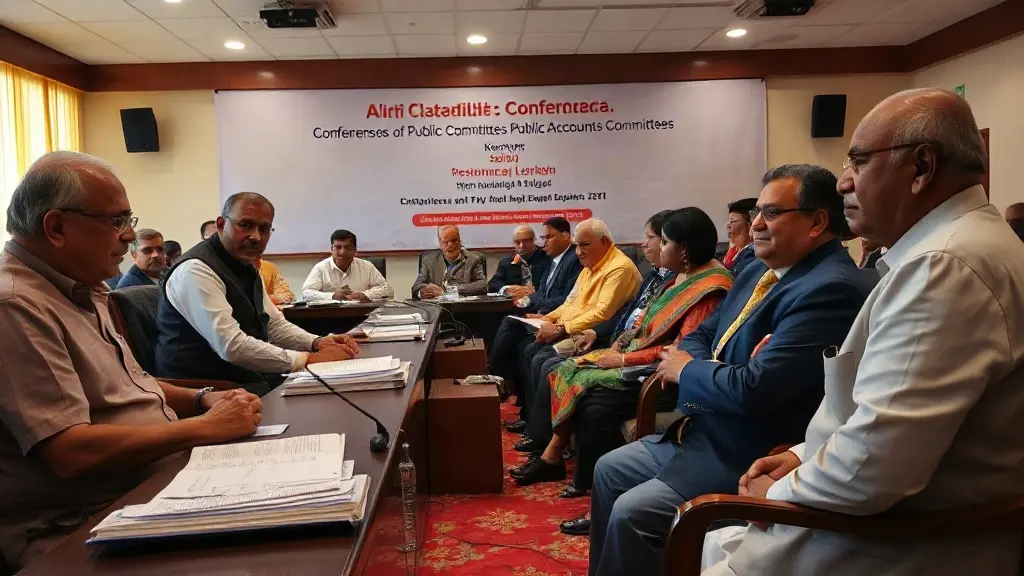
The Conference of Chairpersons of [[Public Accounts Committees](/public-accounts-committees-unite-to-enhance-governance-with-digital-solutions)](/public-accounts-committees-adopt-digital-portal-for-enhanced-governance) (PACs) of [Parliament](/topic/parliament-of-india) and State/UT Legislatures convened in Thiruvananthapuram, Kerala, from November 3-4, 2026, culminating in a significant resolution aimed at enhancing governance and accountability across India. The resolutions adopted reflect a commitment to modernize the operational frameworks of PACs through the establishment of digital platforms and standardized procedures, thereby fostering a culture of continuous peer learning and innovation.
Establishing a Digital Portal for Continuous Learning
One of the cornerstone resolutions from the conference is the establishment of a robust digital portal. This platform is intended to facilitate continuous peer learning, enabling PACs across various states and the central government to exchange best practices and procedural innovations. The initiative aims to create a cohesive network among PACs, allowing for the sharing of insights and experiences that can lead to improved audit practices and accountability measures.
The digital portal will serve as a repository for resources, training materials, and case studies, thereby enhancing the capacity of PAC members to address complex governance issues. This move aligns with global trends where digital solutions are increasingly leveraged to improve transparency and efficiency in public administration.
Standardized Timelines for Action Taken Notes
In a bid to streamline processes, the conference resolved to formulate an action plan that prescribes standardized timelines for the submission of Action Taken Notes (ATNs) on audit paras and PAC recommendations across all states and union territories. This initiative is expected to enhance accountability by ensuring timely responses to audit findings and recommendations, thereby reducing delays that often hinder effective governance.
The implementation of standardized timelines will not only improve the efficiency of PAC operations but also foster a culture of accountability among government departments. By setting clear expectations for response times, PACs can better monitor compliance and ensure that audit recommendations are acted upon promptly.
Development of the Audit Para Monitoring System (APMS)
Another significant resolution adopted at the conference is the commitment to develop a digital oversight system known as the Audit Para Monitoring System (APMS). This system will be implemented in all State/UT PACs to enhance the monitoring of audit observations and recommendations. The APMS is designed to provide real-time tracking of audit findings, ensuring that they are addressed in a timely manner.
The introduction of APMS is expected to revolutionize the way audit observations are managed, providing PACs with the tools necessary to identify trends, monitor compliance, and hold accountable those responsible for implementing audit recommendations. This proactive approach to oversight is crucial in addressing governance challenges and improving public sector accountability.
Capacity Building through Specialized Training
Recognizing the need for enhanced institutional capacity, the conference emphasized the importance of regular training and orientation for PAC secretariats. Specialized training institutes will be engaged to equip PAC members with analytical tools and skills necessary for examining complex technical and financial issues effectively.
This initiative aims to empower PAC members, enabling them to navigate the intricacies of public finance and governance more adeptly. By investing in the professional development of PAC members, the resolution seeks to enhance the overall effectiveness of PACs in their oversight roles.
Strengthening Collaboration with the Comptroller and Auditor General
The conference also highlighted the necessity of strengthening collaboration with the Office of the Comptroller and Auditor General (C&AG). By leveraging advanced forensic tools, PACs can identify high-risk areas of governance that require immediate legislative oversight. This collaborative approach is expected to enhance the effectiveness of audits and ensure that critical governance issues are addressed promptly.
Furthermore, the resolution calls for PACs to hold a minimum of three sittings each month and to establish sub-committees within State/UT Legislatures. This increased frequency of meetings and the formation of specialized sub-committees will facilitate a more thorough examination of pending audit observations, ensuring that no critical issues are overlooked.
Conclusion: A New Era for Public Accountability
The resolutions adopted at the Conference of Chairpersons of Public Accounts Committees mark a pivotal moment in the evolution of public accountability in India. By embracing digital innovations and committing to enhanced training and collaboration, PACs are poised to significantly improve their oversight functions. The establishment of a digital portal, standardized timelines for action, and the development of the APMS are all steps toward a more transparent and accountable governance framework.
As these initiatives are implemented, they have the potential to transform the landscape of public financial management in India, fostering a culture of accountability and responsiveness that is crucial for effective governance in the 21st century.