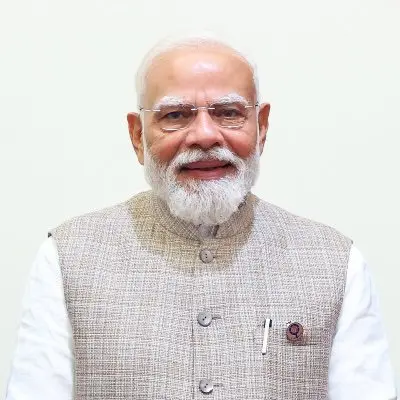
On November 9, 2026, Prime Minister [Narendra Modi](/topic/narendra-modi) shared a profound Sanskrit Subhashitam on social media platform X, emphasizing the virtues of impartiality, selflessness, and justice. The verse, which translates to treating all beings equally and remaining free from personal desires and anger, serves as a reminder of the qualities that define truly virtuous individuals. This initiative aligns with Modi's ongoing efforts to promote Indian culture and values in contemporary society.
The Essence of the Sanskrit Subhashitam
The Sanskrit verse shared by Modi reads:
“समाः सर्वेषु भूतेषु कामक्रोधविवर्जिताः।
न्यायमार्गं न मुञ्चन्ति ते वै सत्पुरुषाः स्मृताः।”
This translates to: “Those who are equal to all beings, free from desire and anger, do not deviate from the path of justice; they are indeed remembered as virtuous individuals.” This Subhashitam encapsulates the essence of ethical living, urging individuals to rise above personal biases and emotions in their pursuit of justice.
Historical Context of Subhashitam in Indian Culture
Sanskrit Subhashitam, or wise sayings, have been an integral part of Indian literature and philosophy for centuries. These verses often convey moral lessons and ethical principles, serving as guiding lights for personal conduct and societal values. By sharing this particular Subhashitam, Modi not only highlights its relevance in today’s context but also reinforces the importance of ancient wisdom in guiding modern governance and personal behavior.
The emphasis on virtues such as impartiality and selflessness resonates deeply within the Indian ethos, where the teachings of ancient texts like the Bhagavad Gita and the Upanishads continue to influence contemporary thought. Modi's choice to share this verse reflects a commitment to instilling these values in the fabric of Indian society.
Modi's Ongoing Cultural Initiatives
In addition, Modi's government has initiated various programs aimed at integrating traditional values with modern governance. By invoking the principles of justice and selflessness, he aims to inspire citizens to embody these virtues in their daily lives, thereby contributing to a more equitable society.
Public Reception and Impact
The public response to Modi's sharing of the Subhashitam has been overwhelmingly positive, with many users on social media expressing appreciation for the emphasis on justice and equality. The Prime Minister's followers have engaged in discussions about the relevance of these virtues in today's world, particularly in the context of social justice and governance.
Moreover, this initiative has sparked conversations about the role of leaders in embodying these values. As India navigates complex social and political landscapes, the call for leaders to act with impartiality and selflessness becomes increasingly pertinent. Modi's message serves as a reminder that true leadership is rooted in ethical conduct and a commitment to justice for all.
Conclusion: A Call to Action
In sharing the Sanskrit Subhashitam, Prime Minister Modi has not only highlighted the timeless virtues of impartiality, selflessness, and justice but has also issued a call to action for citizens to reflect on these principles in their lives. As India continues to evolve, the need for leaders and citizens alike to uphold these values remains crucial for fostering a just and equitable society.
This initiative underscores the importance of cultural heritage in shaping contemporary governance and personal conduct, reminding us that the wisdom of the past can guide us toward a better future. As the nation moves forward, the teachings encapsulated in this Subhashitam may serve as a beacon of hope and a foundation for a more just society.
| Date | Event Description | Key Quote |
|---|---|---|
| 2026-11-09 | PM Modi shares Sanskrit Subhashitam on X | “Those who are equal to all beings, free from desire and anger, do not deviate from justice.” |