Overview of Special Campaign 6
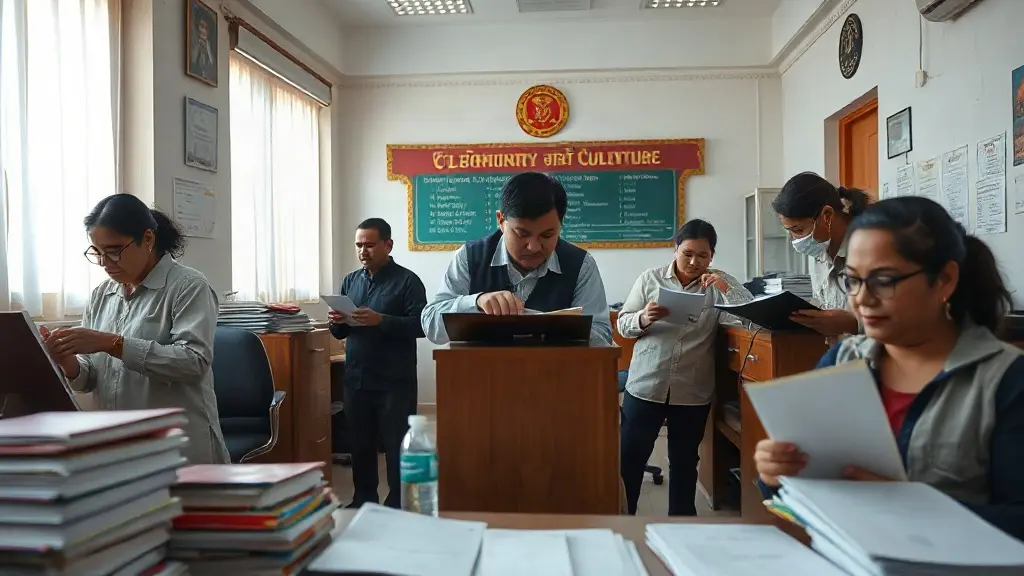
The Ministry of Culture has successfully concluded its Special Campaign 6, which ran from October 2 to October 31, 2026. This initiative was designed to institutionalize Swachhata (cleanliness) as a core organizational value while minimizing pendency in government offices. The campaign focused on enhancing workplace management through intensive cleanliness drives, optimizing space via scrap disposal, and streamlining records management. The results of this campaign reflect a strong commitment to efficient governance and the creation of clean, functional, and citizen-centric office spaces.
Key Achievements and Metrics
The Special Campaign 6 yielded significant results across various parameters, demonstrating the effectiveness of the initiative. The following table summarizes the key achievements:
The campaign's focus on public grievances resulted in an 88% resolution rate, with 81 out of 92 grievances addressed. Additionally, the campaign achieved a 100% completion rate in reviewing both physical and electronic files, showcasing a significant improvement in administrative efficiency. The Ministry of Culture's commitment to reducing pendency is evident in these results, as it systematically liquidated pending parliamentary assurances, VIP references, and inter-ministerial consultations.
| Parameter | Target | Achievement |
|---|---|---|
| Public Grievance | 92 | 81 (88%) |
| Public Grievance Appeals | 44 | 32 (73%) |
| MP Reference | 80 | 55 (69%) |
| PMO Reference | 26 | 22 (85%) |
| State Govt Reference | 28 | 16 (57%) |
| Review of Physical and E-Files | 31515 and 323 | 100% |
| Weeding of Files | 2921 | 100% |
Cleanliness Drives and Cultural Initiatives
One of the standout features of Special Campaign 6 was the emphasis on cleanliness drives across various organizations under the Ministry of Culture. These initiatives not only aimed to declutter office spaces but also fostered a culture of cleanliness and responsibility among employees. Notable activities included:
These activities not only improved the physical environment of government offices but also engaged employees and the public in meaningful ways, reinforcing the importance of cleanliness and cultural pride.
- Waste to ART Project: This innovative initiative by the Anthropological Survey of India transformed waste materials into art, promoting sustainability and creativity.
- VIP Lounge Transformation: The Old Souvenir Counter at Victoria Memorial Hall was transformed into a VIP Lounge, enhancing the visitor experience and showcasing the Ministry's commitment to maintaining cultural heritage.
Commitment to Continued Improvement
The Ministry of Culture has expressed its commitment to sustaining the momentum generated by Special Campaign 6. Officials have indicated plans to institutionalize the practices established during the campaign, ensuring that cleanliness and efficiency remain priorities in all organizations. This ongoing commitment is crucial for fostering a culture of good governance and accountability within government offices.
In a statement, a Ministry spokesperson emphasized, "The success of Special Campaign 6 is a testament to our dedication to creating clean, functional, and citizen-centric office spaces. We will continue to build on this foundation to ensure that Swachhata becomes an integral part of our organizational culture."
Conclusion: A Model for Future Campaigns
The successful implementation of Special Campaign 6 serves as a model for future initiatives aimed at enhancing governance efficiency and promoting cleanliness within government offices. The campaign's results reflect a proactive approach to addressing public grievances and minimizing bureaucratic delays, which are often seen as barriers to effective governance.
As the Ministry of Culture looks ahead, the lessons learned from this campaign will inform future strategies for improving administrative efficiency and fostering a culture of cleanliness across all government departments. The commitment to institutionalizing Swachhata is not just about maintaining clean offices; it is about instilling a sense of pride and responsibility among government employees, ultimately benefiting citizens and enhancing public trust in governance.