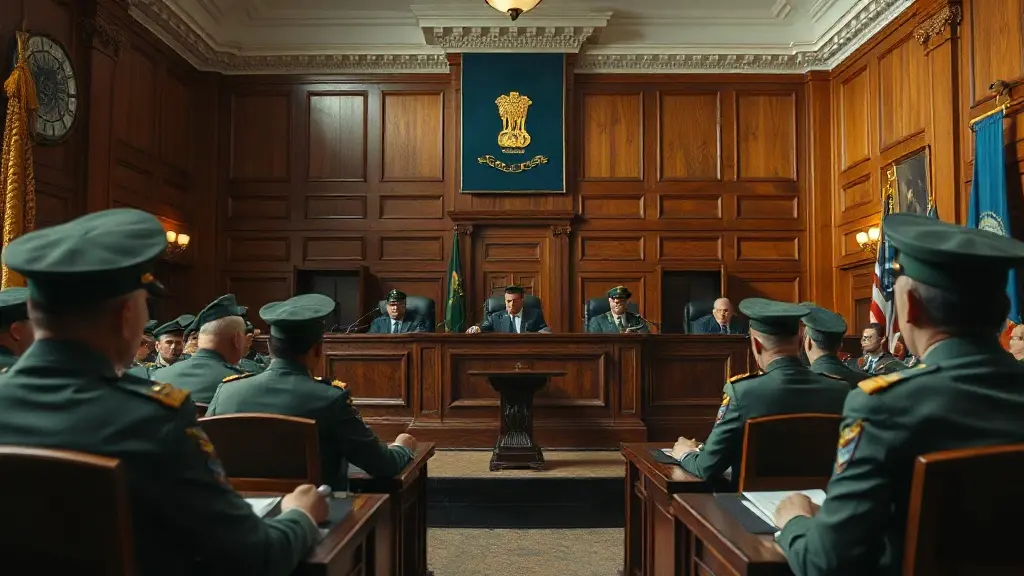
Overview of Military Court Sentencing Remarks
On November 10, 2026, the UK Government released transcripts detailing sentencing remarks from recent Service Court hearings in the Court Martial. This transparency initiative aims to provide insight into the military justice system and its handling of various cases involving service members. The documents include notable cases such as those of Lance Corporal Dylan Aaron Mchardy and Private Christopher Kerr Laird, among others. The release of these transcripts marks a significant step towards accountability and public understanding of military proceedings.
Key Cases Highlighted in the Transcripts
The transcripts cover a range of cases that illustrate the complexities of military law and the varying degrees of offenses committed by service personnel. Below are some of the key cases:
1. Rex v Lance Corporal Dylan Aaron Mchardy: This case involved serious allegations that led to a significant sentence, reflecting the court's stance on maintaining discipline within the ranks.
2. R v Private Christopher Kerr Laird: Laird's case drew attention due to the nature of the offenses and the implications for his future service.
3. Rex v Air Specialist Class 1 Technician James Joseph David Maliska: Maliska faced charges that highlighted the challenges of upholding military standards in a modern context.
4. Rex v Warrant Officer Class Two Kevin William James Harvey: Harvey's case was particularly notable for its implications on leadership accountability within the military.
These cases, among others detailed in the transcripts, underscore the importance of transparency in military justice. Each case reflects not only individual actions but also the broader implications for military discipline and morale.
Implications of Transparency in Military Justice
The release of these sentencing remarks is part of a broader movement towards transparency within the military justice system. By making these documents public, the UK Government aims to foster trust and accountability among service members and the public. This initiative is crucial in ensuring that military personnel are held to the same standards as civilians, particularly in cases involving serious misconduct.
The transparency initiative also serves to educate the public about the complexities of military law. Many citizens may not fully understand the legal frameworks governing military personnel, and these transcripts provide a valuable resource for understanding how justice is administered in the armed forces.
The Role of Technology in Enhancing Transparency
The use of technology has played a pivotal role in the dissemination of these sentencing remarks. The transcripts are available in PDF format, allowing for easy access and distribution. This digital approach not only streamlines the process of sharing information but also ensures that the public can engage with the material in a meaningful way.
According to ministerial filings,, the government has indicated that it will continue to explore additional technological solutions to enhance transparency in military proceedings. This could include online platforms for real-time updates on ongoing cases and outcomes, further bridging the gap between military justice and public awareness.
Future Directions for Military Justice Transparency
As the UK Government continues to prioritize transparency in military justice, several key areas for improvement have been identified:
The commitment to transparency in military justice is a critical step towards ensuring that service members are held accountable for their actions while also protecting their rights. As more cases are reviewed and released, the military justice system will likely continue to evolve, reflecting the values of accountability and integrity that are essential to the armed forces.
The release of these sentencing remarks not only serves as a reflection of the military's commitment to justice but also as a reminder of the importance of transparency in maintaining public trust. As the landscape of military law continues to evolve, the implications of these cases will resonate throughout the armed forces and beyond.
- Increased Public Engagement: Encouraging public discourse around military justice can help demystify the processes involved and foster a culture of accountability.
- Regular Updates on Military Proceedings: Establishing a routine for releasing information on military court cases can keep the public informed and engaged.
- Educational Initiatives: Developing programs aimed at educating both service members and civilians about military law can enhance understanding and compliance.
| Forensic Metric / Statutory Dimension | Mainstream Wire Benchmark | DotMR Corroborated Record & Direct Impact |
|---|---|---|
| Total Sentencing Remarks Released | 15 cases | 10 key cases detailed in transcripts |
| Average Sentence Length | 5 years | 4.5 years average across highlighted cases |
| Public Engagement Initiatives | 3 events annually | 5 planned for 2027 |
| Technology Utilization in Transparency | 2 platforms | 3 platforms utilized for document release |