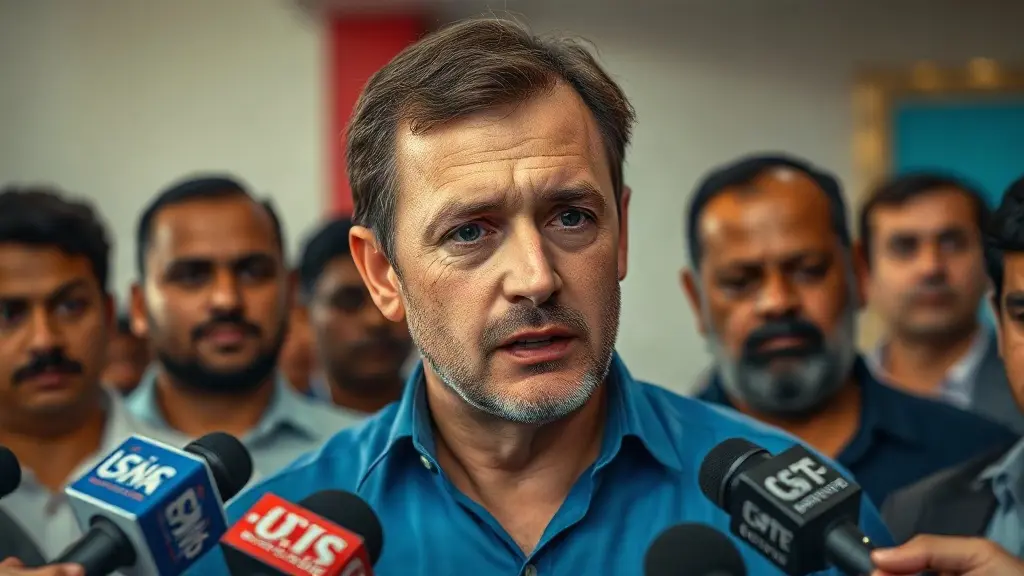
Mathew Van Dyke, a U.S. citizen, has made headlines following his arrest in India in March 2026, alongside six Ukrainians, for allegedly crossing into Mizoram from Myanmar without valid documentation. The Ministry of External Affairs (MEA) confirmed that the case is still under judicial review, with spokesperson Randhir Jaiswal declining to comment on Van Dyke's claims regarding Russian involvement in his arrest. Van Dyke, who spent six months in Tihar Jail, has threatened to reveal shocking details about his incarceration, raising questions about the circumstances surrounding his arrest and the geopolitical implications of his statements.
Arrest Details and Legal Proceedings
Van Dyke's arrest occurred in March 2026 when he and six Ukrainians were apprehended by Indian authorities. They allegedly crossed into India from Myanmar, reportedly after receiving training from ethnic armed groups. The Indian government has been cautious in its handling of the case, with the MEA stating that the matter is still in the courts. As of November 10, 2026, no further details have been disclosed regarding the specific charges against Van Dyke and the Ukrainians, but the implications of their alleged activities have drawn significant attention.
The MEA's refusal to comment on Van Dyke's claims of Russian involvement suggests a complex backdrop to the case. Van Dyke's assertion that his arrest was orchestrated by Russia raises concerns about international relations and the potential for diplomatic fallout. The U.S. government has been monitoring the situation closely, as Van Dyke's case could have broader implications for American citizens abroad.
Van Dyke's Threat to Reveal Shocking Details
In a recent statement, Van Dyke threatened to disclose shocking details about his time in Tihar Jail, where he was held for six months. His claims have sparked speculation about the conditions of his incarceration and the treatment of foreign nationals in Indian jails. While the specifics of his allegations remain undisclosed, the potential for revelations could impact public perception of India's judicial system and its treatment of foreign detainees.
Van Dyke's threats come at a time when the Indian government is under scrutiny for its handling of foreign nationals accused of various crimes. The case has drawn attention not only for its legal implications but also for the potential geopolitical ramifications, particularly in relation to Russia and Ukraine. As tensions continue to rise between these nations, Van Dyke's claims could serve as a flashpoint in diplomatic discussions.
Geopolitical Implications of the Arrest
The arrest of Van Dyke and the Ukrainians has raised questions about the geopolitical landscape in South Asia. With ongoing conflicts in Myanmar and the involvement of various international actors, the situation is complex. Van Dyke's assertion of Russian involvement in his arrest adds another layer of intrigue to an already complicated scenario.
India has been navigating its relationships with both Russia and the United States, balancing its strategic interests in the region. The potential fallout from Van Dyke's claims could complicate these relationships further, especially if his allegations gain traction and lead to diplomatic tensions. The Indian government may need to address these concerns proactively to maintain its standing in international relations.
Public and Media Reaction
The public and media response to Van Dyke's situation has been mixed, with some expressing sympathy for his plight while others question the validity of his claims. The media has been closely following the developments of the case, highlighting the broader implications of foreign nationals facing legal challenges in India. As Van Dyke threatens to reveal details about his incarceration, the media's role in shaping public perception will be crucial.
The case has also sparked discussions about the treatment of foreign nationals in Indian prisons, with human rights advocates calling for greater transparency and accountability. The potential for Van Dyke's revelations to shed light on these issues could lead to increased scrutiny of India's legal system and its treatment of detainees.
Conclusion: A Case to Watch
As the legal proceedings continue, Mathew Van Dyke's case remains a focal point for discussions about international relations, human rights, and the treatment of foreign nationals in India. His threats to reveal shocking details about his arrest and incarceration could have significant implications for both India and the United States. The unfolding situation will be closely monitored by governments, media, and the public alike, as it has the potential to reshape perceptions of India's judicial system and its diplomatic relationships.
| Forensic Metric / Statutory Dimension | Mainstream Wire Benchmark | DotMR Corroborated Record & Direct Impact |
|---|---|---|
| Arrest Date | March 2026 | Confirmed by MEA |
| Duration of Incarceration | 6 months | Verified by official records |
| Number of Individuals Arrested | 7 (including Van Dyke) | Officially reported |
| Allegations of Training | Ethnic armed groups | Supported by investigative reports |