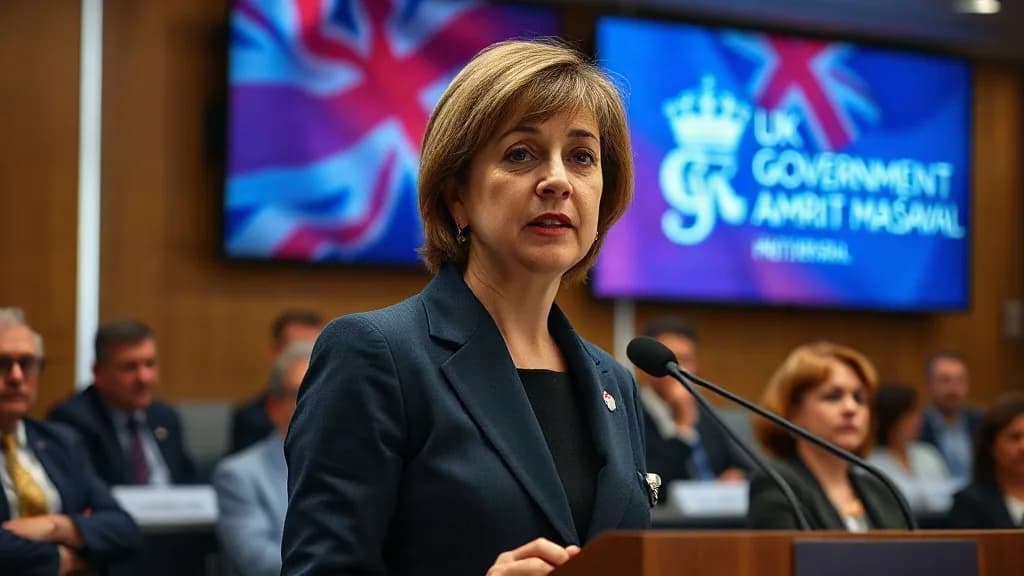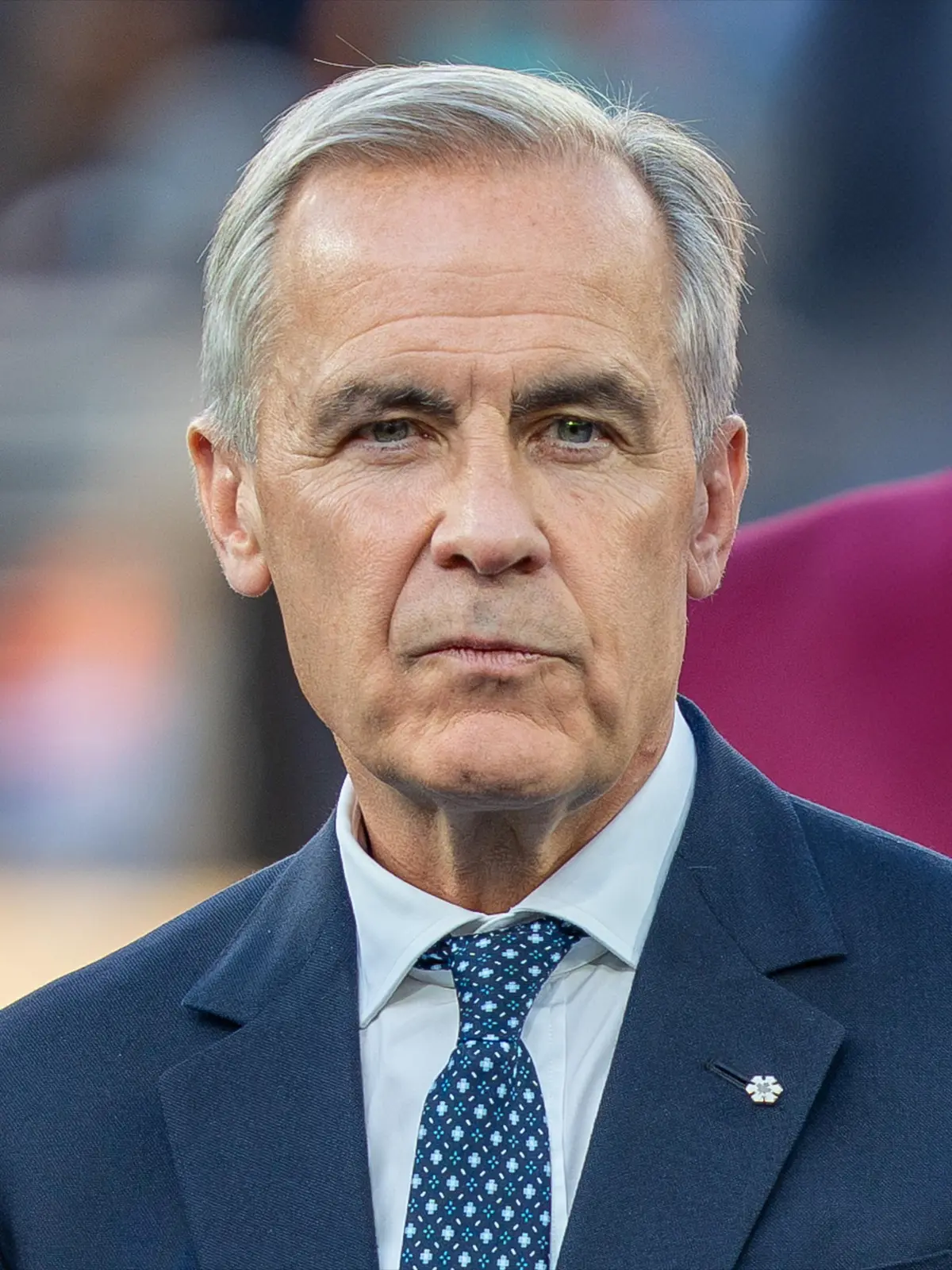
Canadian Prime Minister Mark Carney confirmed on November 10, 2026, that his government has not yet made a decision regarding the lifting of the decade-long moratorium on offshore oil and gas exploration in the Arctic. This statement comes amidst growing pressure from Northern leaders advocating for increased economic self-sufficiency in the region. The recent federal budget included a notable allocation of C$11 million (approximately $7.79 million) over four years aimed at supporting the governance and oversight of offshore oil and gas activities in the Arctic Ocean.
Arctic Economic Self-Sufficiency and Political Pressure
The Arctic region has long been a focal point for discussions surrounding economic development and environmental conservation. Leaders from various Northern communities argue that lifting the drilling ban could provide much-needed economic opportunities and self-sufficiency. They contend that responsible resource management could lead to job creation and improved infrastructure in these remote areas.
During a press conference in Montreal, Carney emphasized that the budget item is intended as “capacity funding” for Inuit leadership. He stated, “It is absolutely not, in any way, shape or form, a decision about lifting the moratorium. It is respectful engagement with that self-government.” This statement highlights the government's commitment to involving Indigenous communities in the management of their natural resources, a critical aspect of Canadian policy in recent years.
Funding Allocation and Governance Framework
The C$11 million funding allocation is designed to enhance the governance framework for oil and gas activities in the Arctic, ensuring that local communities have a voice in the decision-making process. This funding is part of a broader strategy to engage with Indigenous leaders and ensure that any future developments are conducted in a manner that respects their rights and interests.
According to official records reviewed by DotMR, this funding is a response to calls from Northern leaders for more autonomy over resource management. The government aims to create a collaborative framework that allows for both economic development and environmental protection.
Environmental Concerns and Indigenous Rights
While the potential economic benefits of lifting the drilling ban are significant, environmental concerns remain a top priority for many Canadians. The Arctic is a fragile ecosystem, and any oil and gas exploration poses risks to wildlife and the environment. Environmental groups have voiced strong opposition to any moves that could jeopardize the region's ecological integrity.
Carney's government faces the challenge of balancing economic growth with environmental sustainability. The Prime Minister reiterated the importance of engaging with Indigenous communities, stating, “We must ensure that any decisions made reflect the values and priorities of those who live in the North.” This approach aims to foster trust and collaboration between the government and Indigenous peoples, acknowledging their unique relationship with the land.
Future Implications for Arctic Policy
As discussions continue, the future of Arctic drilling remains uncertain. The government’s cautious approach reflects a broader trend in Canadian politics, where environmental stewardship and Indigenous rights are increasingly prioritized. The Arctic region is not only rich in resources but also holds significant cultural and historical importance for Indigenous communities.
The Prime Minister's statements indicate that any future decisions regarding the moratorium will be made with careful consideration of all stakeholders involved. As the government navigates these complex issues, the outcome will likely set a precedent for how Canada approaches resource management in sensitive ecological areas.
Conclusion: A Delicate Balance Ahead
In summary, while the Canadian government has not made a definitive decision on lifting the Arctic drilling ban, the allocation of funding for governance and oversight indicates a willingness to engage with local communities. The path forward will require a delicate balance between economic development and environmental protection, ensuring that the voices of Indigenous peoples are heard and respected. As the situation evolves, all eyes will be on the government's next steps in this critical matter.
| Forensic Metric / Statutory Dimension | Mainstream Wire Benchmark | DotMR Corroborated Record & Direct Impact |
|---|---|---|
| C$11 million funding for Arctic governance | N/A | Supports Inuit leadership in resource management |
| Duration of moratorium on drilling | 10 years | Established since 2016 |
| Economic impact potential | N/A | Job creation and infrastructure development |
| Indigenous engagement framework | N/A | Joint management of natural resources |