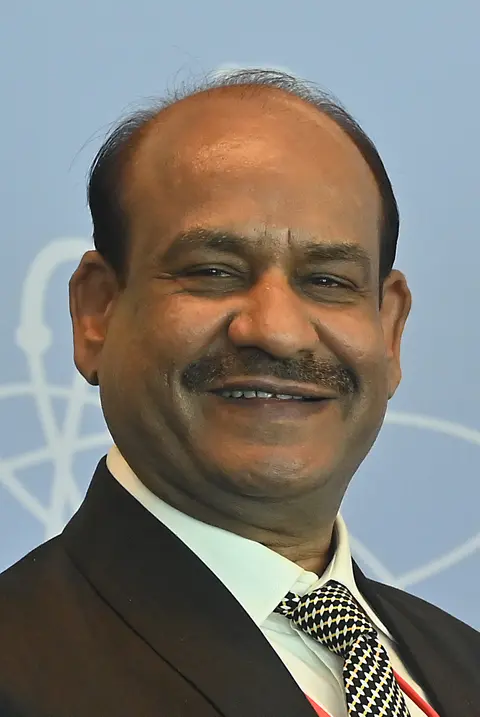
In a pivotal address at the Conference of Chairpersons of Public Accounts Committees (PACs) of [Parliament](/topic/parliament-of-india) and State Legislatures held in Thiruvananthapuram, [[Lok Sabha Speaker](/lok-sabha-speaker-urges-accountability-in-public-expenditure-at-pac-conference)](/lok-sabha-speaker-urges-accountability-in-public-spending-at-pac-conference) Shri Om Birla emphasized the critical need for accountability in public expenditure. He stated that every rupee drawn from the public exchequer must be properly accounted for and utilized for its intended purpose. This call to action comes at a time when the effectiveness of public spending is under scrutiny, with many audit observations remaining unresolved for decades.
The Role of PACs in Parliamentary Democracy
Shri Birla underscored the PAC's role as a cornerstone of parliamentary democracy, tasked with examining public expenditure and ensuring financial discipline. He articulated that the responsibility of these committees extends beyond mere scrutiny of accounts and audit findings; they must also evaluate whether public funds have achieved their intended objectives and delivered tangible outcomes for citizens.
"Transparency and accountability are the cornerstones of democracy," he stated, highlighting that the ultimate measure of public expenditure must be the positive difference it makes in the lives of ordinary citizens. This sentiment reflects a growing demand for more rigorous oversight of public funds, especially in light of persistent issues related to financial mismanagement.
Addressing Long-Pending Audit Observations
During his address, Shri Birla expressed concern over the backlog of unresolved audit observations, some dating back 10, 15, or even 20 years. He called for a systematic and time-bound action plan to ensure that these observations are addressed without undue delay. "Such prolonged pendency raises serious questions about the effectiveness of the system," he remarked, urging both Union and State Governments to collaborate in strengthening monitoring and review mechanisms.
The Speaker's emphasis on a concrete action plan is particularly relevant as it highlights the need for accountability to be more than just a theoretical concept. He urged PACs to leverage advancements in technology, including artificial intelligence and data analytics, to enhance financial oversight and prevent the misuse of public funds.
The Importance of Bipartisan Cooperation
Shri Birla also highlighted the unique democratic convention of appointing a Member of the Opposition as the Chairperson of the PAC. This practice, he noted, reflects the maturity and inclusiveness of India’s parliamentary democracy. By ensuring representation from all political parties, the PAC can bring diverse perspectives to the examination of public expenditure.
He stated, "Members may belong to different political parties and hold differing views, but when it comes to safeguarding public money, our responsibility is shared." This call for bipartisan cooperation is crucial in fostering an environment where public funds are protected from misuse and waste.
Direct Assessment of Public Expenditure
In his address, Shri Birla stressed that the assessment of public expenditure should not be limited to figures and utilization certificates. He advocated for PAC members to visit project sites, particularly for infrastructure projects, to evaluate the quality of work, timely completion, and adherence to prescribed standards.
Such direct assessments would help ascertain whether the funds spent have resulted in the intended infrastructure and whether public resources have been utilized effectively. This approach aligns with the growing recognition that accountability must be grounded in real-world outcomes rather than abstract financial metrics.
Conclusion: A Call for Financial Propriety
In conclusion, Lok Sabha Speaker Om Birla's address at the PAC conference serves as a timely reminder of the importance of accountability in public expenditure. His call for a commitment to financial probity and national welfare resonates with the broader public demand for transparency in governance. As India continues to grapple with issues of financial mismanagement, the role of PACs in ensuring that public funds are utilized effectively and responsibly has never been more critical.
The trust of citizens, as emphasized by Shri Birla, is the foundation of democratic governance, and every rupee of public money represents the aspirations and contributions of the people. Therefore, it is imperative that these funds are spent with the highest standards of financial propriety.