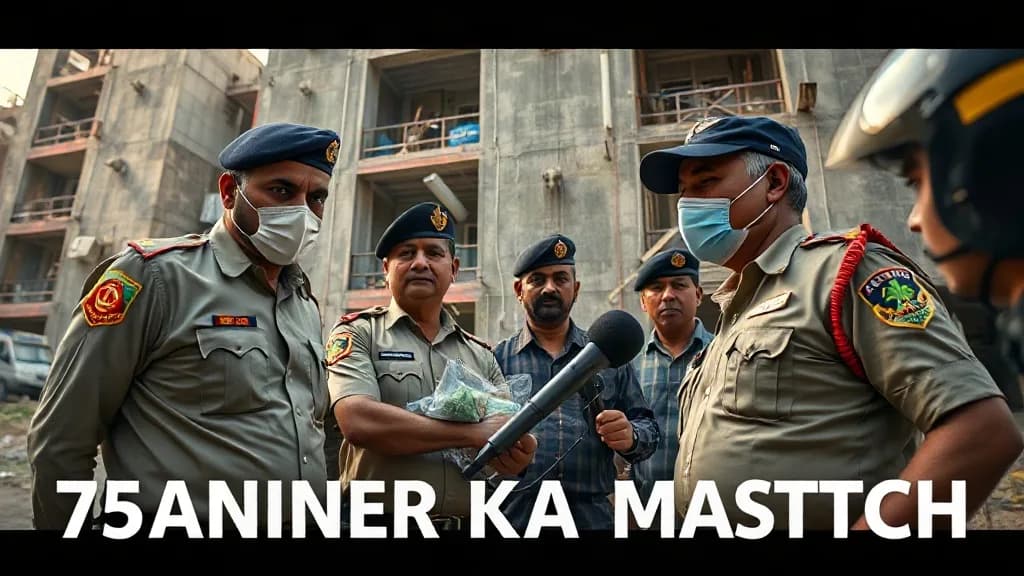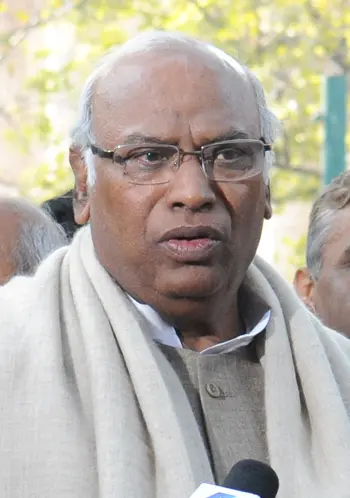
Amid escalating air pollution levels in Delhi, Congress President Mallikarjun Kharge has sharply criticized the Modi government, questioning its effectiveness in addressing the crisis. During a press conference on November 10, 2026, Kharge posed a provocative question: "Why are we becoming a vishwaguru in air pollution?" This statement reflects growing public concern regarding the deteriorating air quality in the national capital, particularly following the recent Diwali celebrations, which are often associated with increased pollution due to fireworks and stubble burning in neighboring states.
Rising Pollution Levels in Delhi
According to official data, Delhi's air quality index (AQI) has reached alarming levels, often crossing the 400 mark, which is considered hazardous. The primary contributors to this crisis include vehicular emissions, industrial discharges, and agricultural practices such as stubble burning. Kharge emphasized that clean air is a fundamental right, not a privilege, and criticized the government's piecemeal approach to tackling the issue. "We need a comprehensive strategy, not just temporary fixes," he stated, highlighting the urgency of the situation.
Government's Response and Accountability
Kharge's remarks come in the wake of various initiatives announced by the Modi government aimed at improving air quality. However, critics argue that these measures lack coherence and fail to address the root causes of pollution. The Congress leader challenged Prime Minister Modi to provide a detailed account of the government's efforts, asking, "Will he dare to give the nation 'Hawa Ka Hisaab'?" This call for accountability resonates with many citizens who feel that the government has not done enough to combat the pollution crisis.
The Congress party has been vocal about the need for a more robust environmental policy, advocating for stricter regulations on emissions and greater investment in sustainable practices. Kharge's statements reflect a broader concern among opposition leaders regarding the government's environmental record, particularly in urban areas like Delhi, where pollution levels have become a pressing public health issue.
Public Health Implications
The health implications of air pollution in Delhi are severe. Studies have shown that prolonged exposure to high levels of particulate matter can lead to respiratory diseases, cardiovascular problems, and other serious health conditions. According to the World Health Organization, air pollution is responsible for millions of premature deaths worldwide each year. In India, the situation is particularly dire, with Delhi consistently ranking among the most polluted cities globally.
Kharge's emphasis on clean air as a fundamental right underscores the need for immediate action. "We cannot allow our children to grow up in a toxic environment. The government must prioritize public health over political interests," he asserted. This sentiment is echoed by health experts who advocate for urgent measures to improve air quality and protect citizens' health.
The Role of State Governments
While the central government plays a crucial role in addressing air pollution, state governments also have significant responsibilities. Kharge pointed out that neighboring states must collaborate to tackle the issue of stubble burning, which significantly contributes to Delhi's pollution levels. "We need a united front against pollution, and that requires cooperation between states," he said, calling for a multi-faceted approach that involves all stakeholders.
The Congress party has proposed several solutions, including the promotion of alternative farming practices, stricter enforcement of pollution control measures, and increased public awareness campaigns. By fostering collaboration between state and central governments, Kharge believes that a more effective strategy can be developed to combat air pollution.
Future Outlook and Public Sentiment
As Delhi grapples with its air quality crisis, public sentiment is increasingly turning against the government. Citizens are demanding transparency and accountability, urging leaders to prioritize environmental issues. Kharge's statements reflect this growing frustration, as many feel that the government's response has been inadequate and reactive rather than proactive.
Looking ahead,, the air pollution crisis in Delhi is a pressing issue that requires immediate and comprehensive action. Mallikarjun Kharge's criticisms of the Modi government highlight the urgent need for accountability and effective measures to protect public health and ensure clean air for all. As the situation continues to evolve, it remains to be seen how the government will respond to these challenges and whether it can regain the trust of the public in its environmental policies.
| Metric | Value |
|---|---|
| Delhi AQI (November 2026) | 400+ (hazardous) |
| Stubble burning contribution | Significant |
| Health impact (deaths/year) | Millions globally |
| Kharge's call for action | "Hawa Ka Hisaab" |