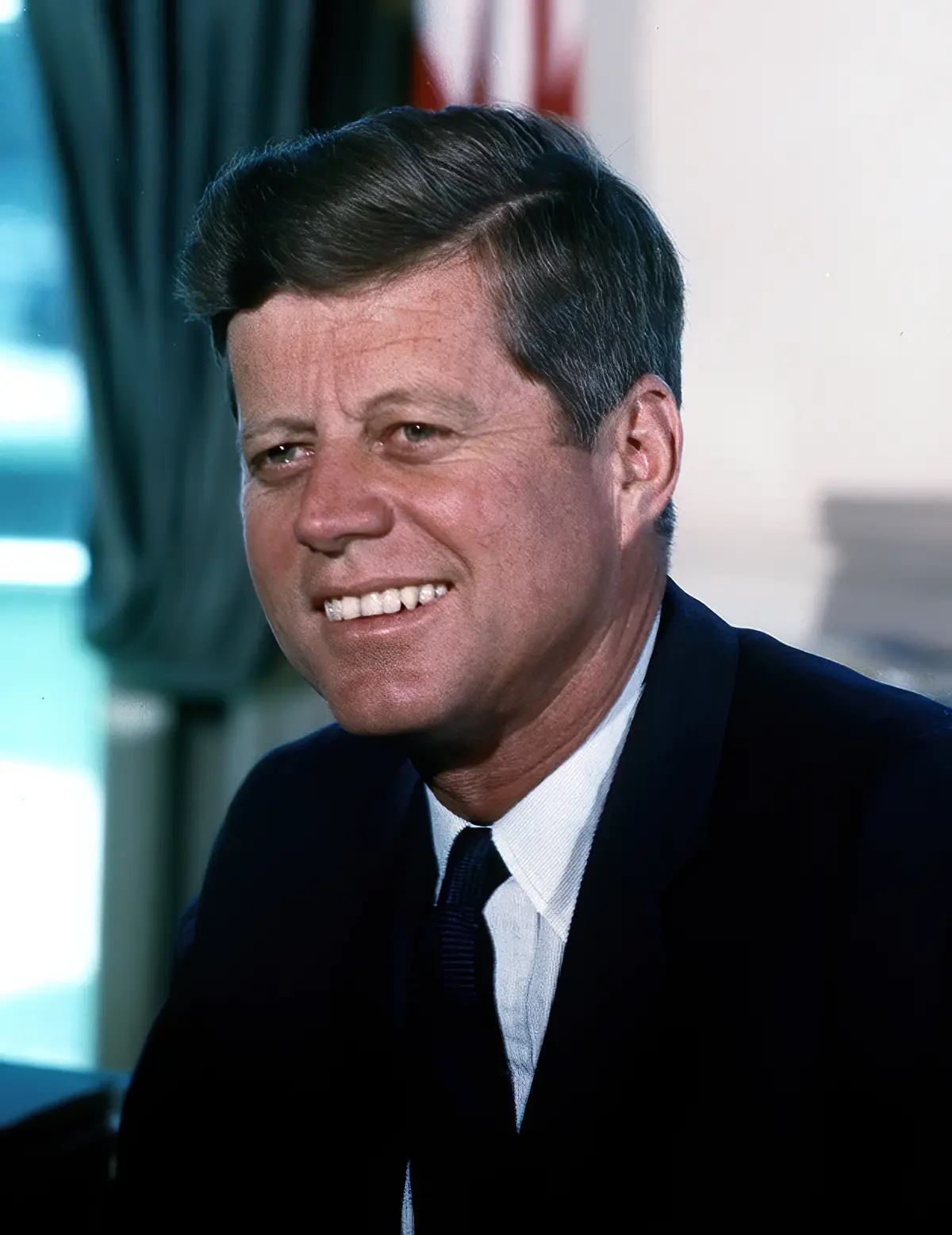
Members of the Kennedy family are stepping into a significant legal battle aimed at blocking the construction of a proposed triumphal arch in Washington, D.C., championed by former President Donald Trump. The arch, named the "Independence Arch," is planned to rise 250 feet tall at Memorial Circle, a location that holds deep historical significance due to its proximity to the gravesites of John F. Kennedy and his brothers, Robert and Edward Kennedy. The family argues that the construction would not only obstruct the sight line between the Lincoln Memorial and Arlington National Cemetery but also cast a permanent shadow over the graves of servicemen and women.
Legal Motion Filed by Kennedy Family
In a motion filed on November 10, 2026, attorneys representing the children and grandchildren of Robert and Edward Kennedy requested to join a lawsuit that seeks to halt the arch's construction. The motion emphasizes that the arch would interfere with the memorial gravesites, particularly JFK's eternal flame, which serves as a poignant reminder of his legacy and tragic assassination in 1963. The filing states, "The arch would block the line of sight between the Kennedy gravesites and the Arlington Memorial Bridge, and will permanently cast a shadow over the graves of servicemen and women who made the ultimate sacrifice for this country."
The Kennedy family's intervention comes amid heightened tensions surrounding the proposed monument, which has faced criticism from various groups, including Vietnam War veterans who have also filed lawsuits against the project. U.S. District Judge Tanya Chutkan recently issued a temporary block on any construction activities related to the arch, providing a window for the legal challenges to unfold.
The Independence Arch: Design and Controversy
The proposed Independence Arch is designed to be a monumental structure, intended to symbolize American resilience and unity. However, its location has sparked significant controversy. Critics argue that the arch's placement at Memorial Circle is inappropriate, given its historical context and the sacred nature of the surrounding gravesites. The arch is intended to stand as a tribute to American ideals, yet many see it as a potential affront to the memory of those buried nearby.
The design, which features a towering structure visible from various points in the city, has been met with mixed reactions. Proponents argue that it would enhance the landscape of Washington, D.C., while opponents, including the Kennedy family, view it as an intrusion on a hallowed ground. The legal battle reflects broader societal debates about memorialization, historical preservation, and the impact of new constructions on existing memorial sites.
Historical Significance of the Kennedy Gravesites
The gravesites of John F. Kennedy, Robert Kennedy, and Edward Kennedy are located at Arlington National Cemetery, a site that honors the sacrifices of countless servicemen and women. JFK's eternal flame, in particular, has become an iconic symbol of his presidency and the hope he inspired in many Americans. The Kennedy family's concerns about the Independence Arch are rooted in a deep respect for the memory of their loved ones and the historical significance of the site.
As the legal proceedings unfold, the Kennedy family is not only advocating for their relatives' legacy but also for the preservation of a site that holds profound meaning for many Americans. The potential shadow cast by the arch is not merely a physical obstruction but a symbolic one, representing a clash between contemporary ambitions and historical reverence.
Current Legal Landscape and Next Steps
The legal landscape surrounding the Independence Arch is complex, with multiple lawsuits filed against the project. Judge Tanya Chutkan's recent ruling to temporarily block construction activities has provided a crucial pause for the involved parties to present their arguments. The consolidation of lawsuits from Virginia and the District of Columbia, along with the intervention by the Kennedy family, indicates a growing coalition of opposition to the arch's construction.
As the case progresses, the Kennedy family's involvement is likely to draw significant public attention, highlighting the intersection of politics, history, and memorialization in American society. The outcome of this legal battle could set a precedent for how future memorial projects are approached, particularly in relation to existing historical sites.
Community Response and Broader Implications
The community's response to the proposed Independence Arch has been polarized. Supporters view it as a necessary addition to the nation's capital, while opponents, including local residents and historical preservationists, argue that it disrespects the memory of those interred at Arlington National Cemetery. The Kennedy family's intervention adds a personal dimension to the debate, as they represent a lineage deeply intertwined with American history.
The implications of this legal battle extend beyond the arch itself. It raises critical questions about how society honors its past while navigating the demands of modernity. As the Kennedy family seeks to protect their heritage, they also engage in a broader conversation about the significance of memorials and the narratives they convey.
| Forensic Metric / Statutory Dimension | Mainstream Wire Benchmark | DotMR Corroborated Record & Direct Impact |
|---|---|---|
| Height of Independence Arch | 250 feet | Proposed height confirmed by project plans |
| Number of Lawsuits Filed | 3 | Consolidated lawsuits from Virginia and D.C. |
| Temporary Block Duration | 2 weeks | Judge Chutkan's ruling effective until November 24, 2026 |
| Historical Significance of Gravesites | JFK, Robert, Edward Kennedy | Memorials at Arlington National Cemetery |
| Community Opposition | Significant | Local residents and veterans groups opposing the arch |