Karnataka Authority's Recommendation for Traffic Police Tenure
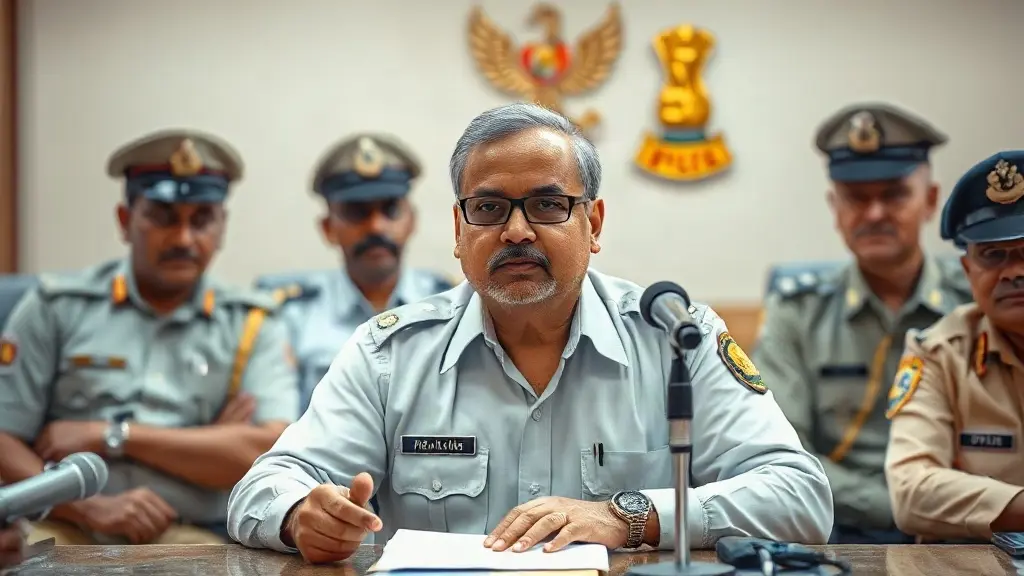
The Karnataka State Police Complaints Authority has taken a significant step in addressing long-standing issues within the traffic police department. In a recent letter to the Director General and Inspector General of Police (DG&IGP), the authority has proposed limiting the tenure of traffic police personnel in urban areas to five years. This recommendation comes in light of increasing allegations of corruption, misconduct, and abuse of power among traffic officers.
Mohan Kumar Danappa, a member of the Complaints Authority, emphasized the need for this change, stating that personnel ranging from constables to Police Sub-Inspectors (PSIs) who complete five years in the traffic wing should be compulsorily transferred to other police units. This move aims to mitigate the risks associated with prolonged exposure to the challenges faced by traffic officers.
Health Hazards Faced by Traffic Police
Traffic police personnel are often at the frontline of urban law enforcement, tasked with managing road safety and traffic flow. However, their duties expose them to numerous occupational health hazards. According to the authority's findings, continuous exposure to toxic vehicular emissions, dust, air and noise pollution, extreme heat, and adverse weather conditions can lead to serious health issues.
Danappa highlighted that these conditions not only affect the physical health of traffic officers but also their mental well-being. "The nature of their work can lead to chronic health problems, which are exacerbated by the lack of adequate support and resources," he noted. The authority's recommendation seeks to address these health concerns by ensuring that officers do not remain in high-risk positions for extended periods.
Corruption and Misconduct in the Traffic Police
The recommendation to limit tenure is also rooted in the need to combat corruption and misconduct within the traffic police. Over the years, there have been numerous reports of irregularities and abuse of power among traffic officers, leading to a loss of public trust in the police force.
By enforcing a five-year limit on tenure, the Karnataka State Police Complaints Authority aims to disrupt entrenched networks of corruption that may develop over time. Danappa stated, "Regular transfers can help in reducing the chances of corrupt practices by ensuring that officers do not become too comfortable in their roles."
Implementation Challenges and Public Response
While the proposal has been welcomed by many as a necessary reform, its implementation may face challenges. Critics argue that simply limiting tenure may not be sufficient to address the underlying issues of corruption and health hazards. There are concerns about the adequacy of training and support for officers who are transferred to new roles, as well as the potential for disruption in traffic management during the transition.
Public response has been mixed, with some citizens expressing support for the authority's initiative, while others remain skeptical about its effectiveness. "It’s a step in the right direction, but we need to see real changes in how traffic police operate on a daily basis," said a local resident.
Future of Traffic Police Reform in Karnataka
The Karnataka State Police Complaints Authority's recommendation marks a pivotal moment in the ongoing discourse surrounding police reform in the state. As urban areas continue to grow and traffic-related challenges become more complex, the need for effective and accountable law enforcement is paramount.
The authority's proposal will now be reviewed by the state police leadership, who will need to consider the implications of such a policy change. If implemented, this could set a precedent for other states grappling with similar issues in their traffic police departments.
In conclusion, the Karnataka State Police Complaints Authority's call for a five-year limit on traffic police tenure reflects a growing recognition of the need for reform within the police force. As discussions continue, the focus will remain on ensuring that officers are supported in their roles while maintaining public safety and trust.
| Metric | Current Situation | Proposed Change |
|---|---|---|
| Traffic Police Tenure | No limit | 5 years |
| Health Hazards Exposure | High | Reduced |
| Corruption Allegations | Frequent | Decreased |
| Public Trust in Police | Eroded | Improved |