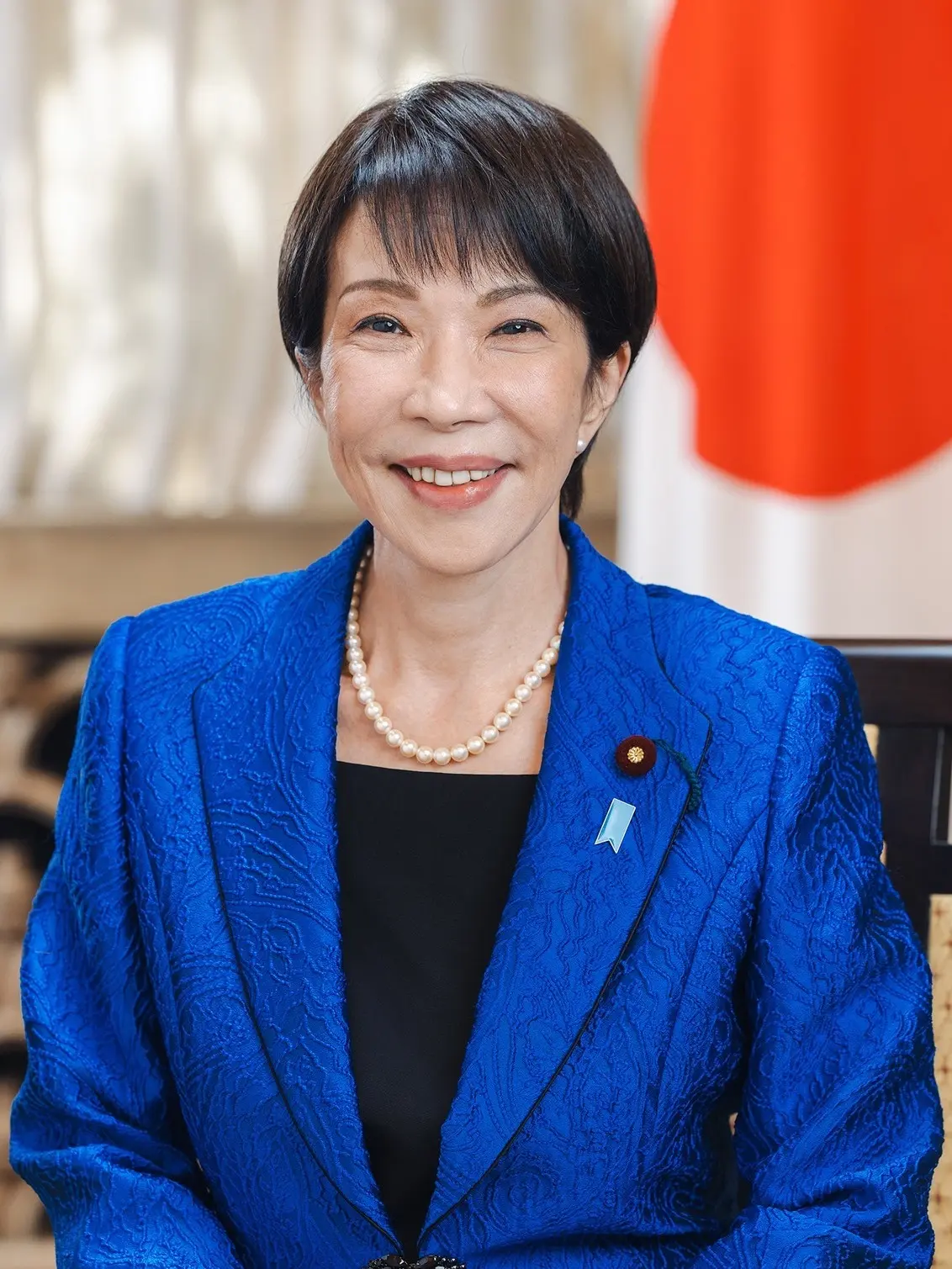
Japan is bracing for a pivotal moment as [Prime Minister](/prime-minister-celebrates-crpfs-historic-zero-casualty-milestone-3) Sanae Takaichi prepares to meet Chinese President Xi Jinping at the Asia-Pacific Economic Cooperation (APEC) summit in Shenzhen on November 18-19, 2026. This meeting marks their first encounter since diplomatic relations soured over Taiwan, with Japanese officials keen to ensure that Takaichi receives a respectful greeting from Xi, including a customary handshake. The stakes are high, as Japan and China have seen their relations deteriorate to one of the lowest points since they normalized ties in 1972.
Historical Context of Japan-China Relations
The relationship between Japan and China has been fraught with tension, particularly in recent years. Takaichi’s remarks last November, suggesting that a Chinese attack on Taiwan could threaten Japan’s existence, have exacerbated these tensions. This statement was particularly provocative, given that it was made shortly after her meeting with Xi at the APEC summit in South Korea. The timing intensified Chinese anger, leading to a series of retaliatory measures, including restrictions on rare earth exports to Japan, which are critical for Japan's [semiconductor](/topic/semiconductors) and automotive industries.
Historically, Japan's diplomatic engagements with China have been marked by periods of both cooperation and conflict. The last time Xi hosted an APEC summit in 2014, he greeted then-Prime Minister Shinzo Abe with a handshake despite strained ties at the time. However, the groundwork for that meeting had been laid months in advance, a luxury that Takaichi does not have as she approaches this summit.
The Diplomatic Tightrope
Japanese officials are actively seeking assurances from their Chinese counterparts that Takaichi will be treated with the same respect afforded to other world leaders. According to sources familiar with the discussions, Tokyo has made it clear that any deviation from customary diplomatic protocols would be met with protests. The stakes are particularly high given Xi's recent history of publicly rebuking leaders, as seen during a tense exchange with Canada's Justin Trudeau at the G20 summit in 2022.
Jeremy Chan, a senior analyst at the Eurasia Group, noted, "Beijing has personalized its attacks against Japan, particularly targeting Takaichi. This increases the likelihood that China could attempt to embarrass her at the APEC summit." The potential for Xi to downgrade Takaichi’s status during the summit or to publicly criticize Japan looms large, adding pressure to an already delicate situation.
Economic Implications of Strained Relations
The economic ramifications of the deteriorating relationship are significant. Japan has been heavily reliant on Chinese exports of rare earth materials, which are essential for its technology and automotive sectors. The Chinese government's decision to restrict these exports has already begun to impact Japanese manufacturers, leading to calls from U.S. manufacturers for intervention. Former U.S. President Donald Trump has even urged Xi to ease these restrictions, highlighting the international dimensions of the crisis.
Takaichi's refusal to retract her statements regarding Taiwan has further complicated matters. As she pushes forward with a security agenda that includes discussions on nuclear weapons and maritime boundary talks with the Philippines, tensions with China are likely to escalate. These developments have raised concerns in Tokyo about the potential for isolation from its key ally, the United States, especially as Trump and Russian President Vladimir Putin prepare for their own discussions with Xi at the APEC summit.
Navigating the APEC Summit
As Takaichi prepares for the APEC summit, the likelihood of a direct meeting with Xi appears slim. Sources indicate that any interactions will likely be limited to formalities, such as a leaders' dinner where Xi is expected to greet each leader. This scenario raises the risk of Takaichi appearing isolated, particularly in the context of the trilateral meeting between Trump, Putin, and Xi, which marks a historic gathering of nuclear powers.
In a bid to mitigate potential fallout, Takaichi may seek to engage with Trump at the ASEAN summit in Manila just days before the APEC conference. This meeting could provide her with an opportunity to convey Japan's position directly to Beijing, a tactic she successfully employed during the United Nations summit in New York in September.
Conclusion: A Critical Moment for Takaichi
As Japan's first female Prime Minister, Takaichi stands at a critical juncture in her leadership. Her ability to navigate the complexities of Japan-China relations while maintaining strong ties with the United States will be closely scrutinized during the APEC summit. The outcome of her meeting with Xi could have lasting implications for Japan's foreign policy and regional stability in East Asia.
| Date | Event | Location | Key Participants | Remarks |
|---|---|---|---|---|
| Nov 18-19 | APEC Summit | Shenzhen, China | Sanae Takaichi, Xi Jinping, Trump, Putin | First meeting since Taiwan tensions escalated |
| Nov 2025 | Takaichi's Taiwan remarks | Tokyo | Sanae Takaichi | Provoked Chinese backlash |
| 2022 | G20 Summit | Indonesia | Xi Jinping, Justin Trudeau | Public rebuke of Trudeau |