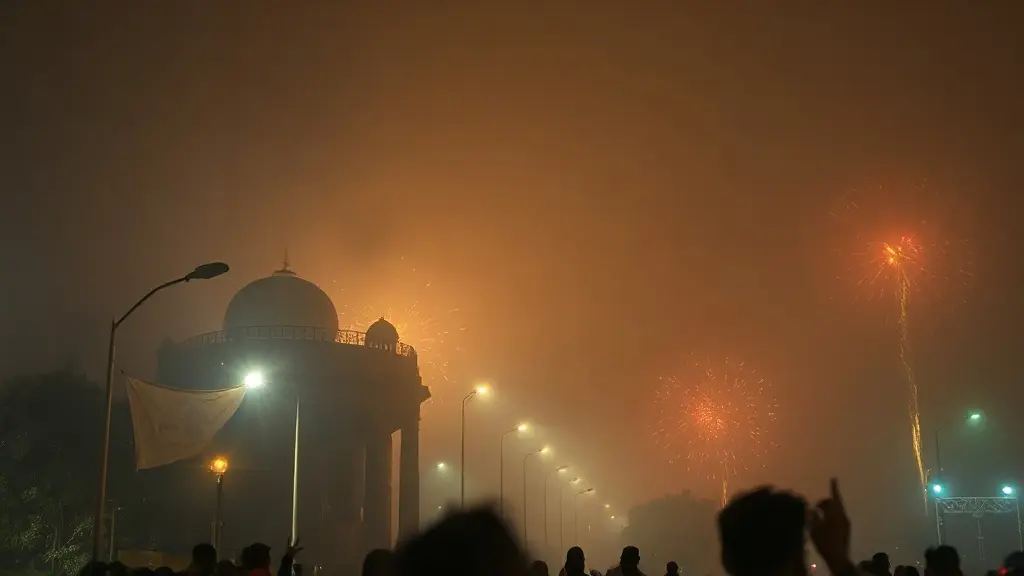
In a grim turn of events, the Delhi-NCR region is grappling with a [severe air quality](/delhi-faces-severe-air-quality-crisis-ahead-of-diwali-celebrations) crisis as Diwali celebrations have led to alarming levels of pollution. As of November 8, 2026, the Air Quality Index (AQI) has soared to nearly 400, categorizing the air quality as 'severe'. This drastic deterioration has prompted the Commission for Air Quality Management (CAQM) to enforce Stage 3 of the Graded Response Action Plan (GRAP), aimed at mitigating the adverse effects of air pollution in the region.
Diwali Celebrations and Pollution Surge
Diwali, known as the festival of lights, traditionally involves the use of fireworks, which significantly contribute to air pollution. This year, despite ongoing campaigns to reduce firework usage, many residents in Delhi-NCR have opted for extravagant displays, further exacerbating the already critical air quality situation. According to data from the Central Pollution Control Board (CPCB), the AQI in several parts of Delhi reached levels that are hazardous to health, with some areas recording figures above 400.
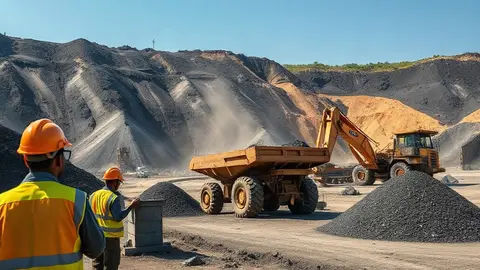
The CAQM's Stage 3 measures include a ban on construction activities, increased monitoring of industrial emissions, and stricter enforcement of regulations against the burning of waste. These actions aim to curb the pollution levels that spike during the festive season, which has historically been a challenging time for air quality in the capital.
CAQM's Response and Emergency Measures
The CAQM's decision to implement Stage 3 of the GRAP reflects the urgency of the situation. This stage includes a series of stringent measures designed to combat the pollution crisis. Key components of the plan include:
These measures are crucial as the health implications of such high AQI levels can be severe, particularly for vulnerable populations, including children, the elderly, and those with pre-existing health conditions.
- Ban on Construction Activities: All construction and demolition activities have been halted to prevent further dust and particulate matter from entering the atmosphere.
- Industrial Emission Monitoring: Industries in the region are under strict surveillance to ensure compliance with emission standards, with penalties for non-compliance.
- Public Awareness Campaigns: Authorities are ramping up efforts to educate the public on the dangers of firecrackers and the importance of reducing emissions during this critical period.
Health Implications of Poor Air Quality
The health risks associated with prolonged exposure to high levels of air pollution are well-documented. According to health experts, an AQI of 400 can lead to serious respiratory issues, cardiovascular problems, and other health complications. The World Health Organization (WHO) has consistently warned that air pollution is a leading cause of premature death worldwide.
In Delhi-NCR, hospitals are already reporting an increase in patients suffering from respiratory ailments. Dr. Anjali Mehta, a pulmonologist at a leading hospital in the region, stated, "We are witnessing a spike in cases of asthma and bronchitis, particularly among children and the elderly. The situation is alarming, and immediate action is necessary to protect public health."
Historical Context of Air Quality in Delhi-NCR
The air quality crisis in Delhi-NCR is not a new phenomenon. Over the years, the region has consistently ranked among the most polluted in the world, particularly during the winter months when weather patterns trap pollutants close to the ground. The combination of vehicular emissions, industrial discharges, and seasonal agricultural burning in neighboring states creates a perfect storm for air quality deterioration.
In recent years, the CAQM has implemented various measures to combat this issue, including the introduction of odd-even vehicle rationing schemes and the promotion of cleaner fuels. However, the persistent rise in pollution levels during festive seasons highlights the need for more robust and sustained efforts to address the root causes of air pollution.
Public Reaction and Future Outlook
As the air quality crisis unfolds, public sentiment is mixed. Many residents express frustration over the recurring pollution issues, while others continue to prioritize traditional celebrations over environmental concerns. "We understand the need for clean air, but Diwali is a time for celebration. It's a tough balance to strike," said Ramesh Kumar, a local resident.
Looking ahead, experts emphasize the importance of long-term strategies to improve air quality in Delhi-NCR. This includes investing in public transportation, promoting [electric vehicles](/topic/electric-vehicles), and enhancing green spaces within the city. The CAQM's immediate measures may provide temporary relief, but a comprehensive approach is essential for sustainable improvement.
In conclusion, the current air quality crisis in Delhi-NCR serves as a stark reminder of the ongoing battle against pollution in urban India. While immediate measures are being taken to address the situation, a collective effort from both the government and the public is essential to ensure a healthier future for all residents. The festival of lights should not come at the cost of public health, and it is imperative that sustainable practices are adopted to protect the environment for generations to come.
| Date | AQI Level | CAQM Action | Health Advisory |
|---|---|---|---|
| Nov 8, 2026 | 400 | Stage 3 GRAP | Avoid outdoor activities, especially for sensitive groups |
| Nov 7, 2026 | 350 | Stage 2 GRAP | Limit outdoor exposure |
| Nov 6, 2026 | 300 | Stage 1 GRAP | Caution advised for sensitive groups |