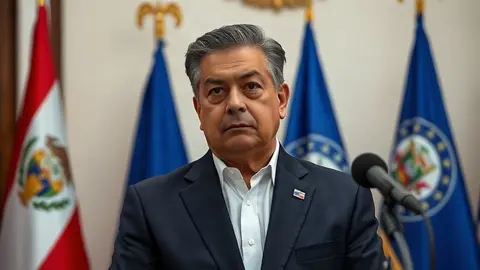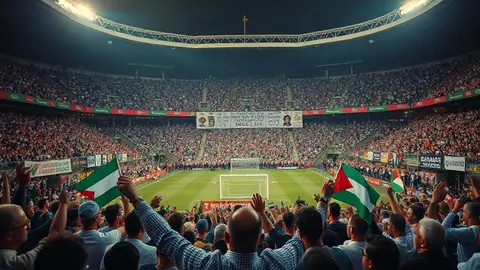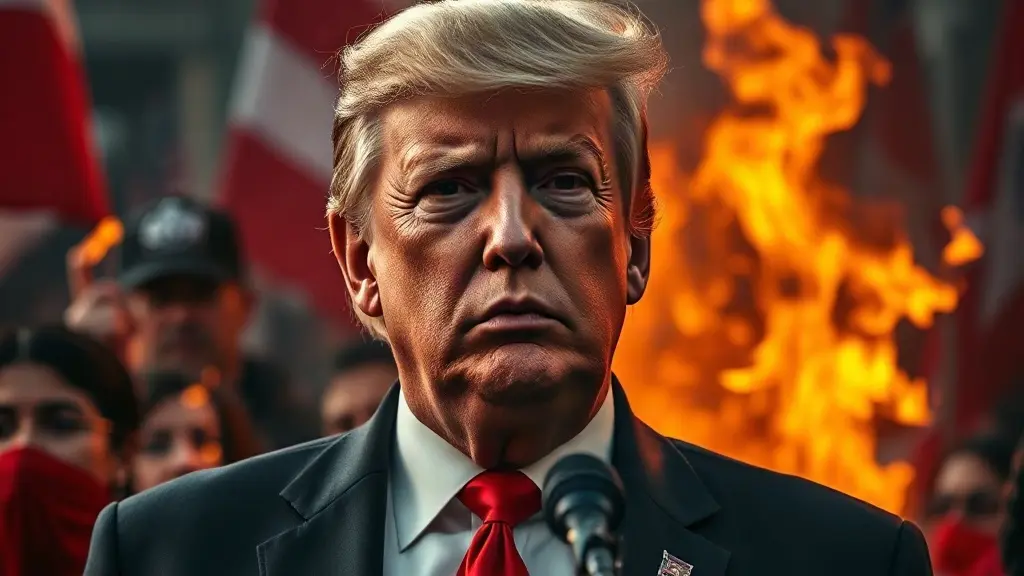
In a dramatic demonstration of anger and defiance, thousands of Iranians gathered in Tehran's central Enghelab Square to burn a giant poster depicting U.S. President Donald Trump, his Vice President J. D. Vance, special envoy Steve Witkoff, and Israeli Prime Minister Benjamin Netanyahu. This rally, which took place on November 5, 2026, was a direct response to the recent midterm elections in the United States, where Trump's Republican Party faced significant losses. The event not only highlighted the ongoing tensions between Iran and the U.S. but also served as a rallying cry for those seeking revenge for perceived injustices.
Context of the Rally: Political Backdrop and Historical Grievances
The backdrop of this rally is steeped in a history of conflict and animosity between Iran and the United States. The tensions escalated dramatically following a series of surprise attacks launched by Trump and Netanyahu on February 28, 2026, which resulted in the death of Iran's Supreme Leader Ayatollah Khamenei and several other high-ranking officials. This incident marked a significant turning point, igniting widespread outrage among the Iranian populace and leading to calls for retaliation.
The recent midterm elections in the U.S. saw Trump's party suffer a significant defeat, which many Iranians interpreted as a sign of weakness. "The American people have shown their discontent with Trump's policies, but we will not rest until justice is served for the blood spilled by his orders," declared one protester, holding a sign that called for revenge against Trump and his allies.
The Symbolism of the Burning Poster
The act of burning the poster is laden with symbolism. In Iranian culture, the burning of effigies is a traditional form of protest, representing the rejection of authority and power. The poster itself, featuring the faces of Trump, Vance, Witkoff, and Netanyahu, was a potent symbol of what many Iranians view as foreign aggression and interference in their sovereignty.
As the flames engulfed the poster, chants of "Death to America" and "Death to Israel" echoed through the square, underscoring the deep-seated animosity that continues to fuel anti-U.S. sentiments in Iran. The rally was not just a spontaneous outburst of anger; it was a calculated display of solidarity among various factions within Iran, uniting under the banner of resistance against perceived imperialism.
The Role of Leadership in Escalating Tensions
Iran's leadership has capitalized on the anti-U.S. sentiment to consolidate power and rally public support. Supreme Leader Ali Khamenei, who succeeded Khomeini, has consistently framed the U.S. as the primary adversary of the Islamic Republic. The recent events have provided a platform for Khamenei and other leaders to reinforce their narrative of resistance against foreign aggression.
"The blood of our martyrs will not be forgotten, and we will avenge their deaths," proclaimed a speaker at the rally, further inflaming the crowd's emotions. This rhetoric not only serves to unify the populace but also distracts from domestic issues, such as economic challenges and political dissent.
International Reactions and Implications
The burning of the poster and the accompanying rhetoric have drawn attention from international observers, raising concerns about the potential for further escalation in the region. Analysts warn that such demonstrations could lead to increased military posturing from both sides, as the U.S. and its allies may respond to perceived threats with heightened vigilance.
"The situation is precarious, and the potential for miscalculation is high," noted a regional expert. "Both Iran and the U.S. are at a crossroads, and the actions taken in the coming weeks will be crucial in determining the trajectory of their relationship."
Conclusion: A Cycle of Violence and Retaliation
As the flames flickered and the crowd dispersed, the message was clear: the anger towards Trump and his allies is not merely a reaction to recent events but part of a larger narrative of resistance that has defined Iranian politics for decades. The burning of the poster serves as a reminder of the deep-seated grievances that continue to fuel tensions between Iran and the U.S.
The future remains uncertain as both nations navigate this fraught landscape. With calls for revenge echoing in the streets of Tehran, the cycle of violence and retaliation appears poised to continue, leaving the possibility of peace further out of reach.
| Date | Event Description | Impact on Relations |
|---|---|---|
| Feb 28, 2026 | U.S. attacks kill Iranian leaders | Escalation of tensions |
| Nov 5, 2026 | Poster burning rally in Tehran | Heightened anti-U.S. sentiment |
| TBD | Potential U.S. military response to Iranian actions | Risk of further conflict |