The Indo-Pacific Regional Dialogue 2026 (IPRD-2026) commenced on November 3, 2026, in New Delhi, marking a significant event aimed at enhancing regional cooperation through scientific and technological advancements. Organized by the Indian Navy in collaboration with the National Maritime Foundation (NMF), this three-day conference focuses on the theme of 'Science, Technology and Academic Cooperation in the Indo-Pacific.' The dialogue seeks to address how the region can leverage scientific knowledge and technological innovation to foster enduring institutional cooperation, bolster maritime capabilities, and enhance shared resilience against emerging challenges.
Inaugural Address Sets the Tone for IPRD-2026
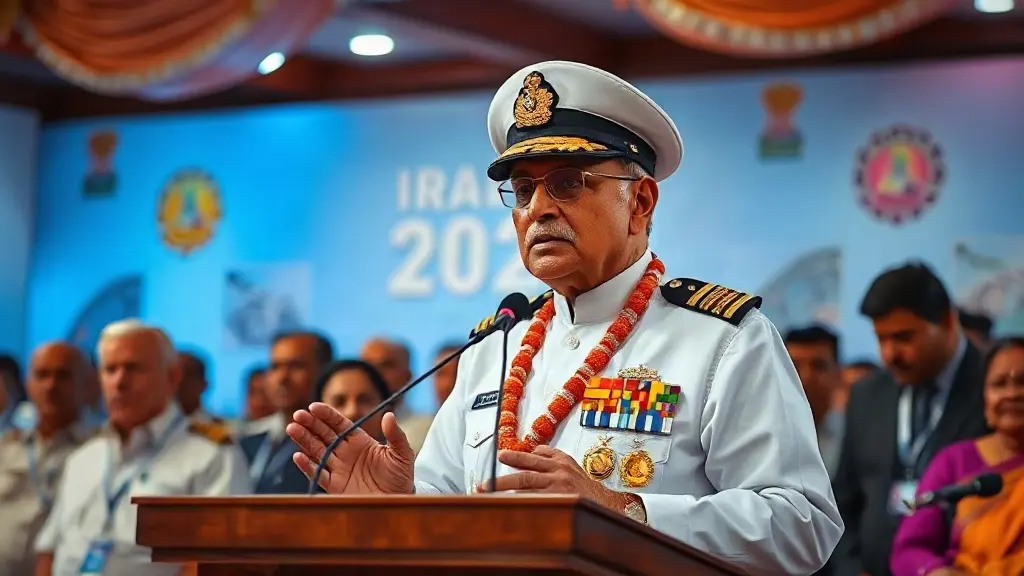
The opening day featured an inaugural address by Admiral Dinesh K Tripathi (Retd), Chairman of the NMF and former Chief of the Naval Staff. He emphasized the importance of collaborative efforts in the Indo-Pacific region, stating, "The future of maritime security hinges on our ability to share knowledge and resources effectively. The IPRD-2026 is a platform for us to explore these avenues."
Following Admiral Tripathi, Vice Admiral Biswajit Dasgupta (Retd), National Maritime Security Coordinator, delivered a special address, reiterating the need for a unified approach to maritime challenges. His insights underscored the significance of technological integration in enhancing maritime situational awareness and infrastructure protection.
Academic Networks and Human Capital Development
The first professional session of IPRD-2026 focused on 'Academic Networks, Research, and Human Capital Development.' Moderated by Vice Admiral Sanjay Mahindru (Retd), this session brought together experts from France, Indonesia, Japan, and the Maldives to discuss the potential for establishing a wider Indian Ocean academic network. The discussions highlighted the necessity of cooperation among universities in coastal cities across the Indo-Pacific, fostering social-science research networks that can contribute to regional stability.
A notable outcome of this session was the release of a monograph titled 'Sea Blindness and Maritime Heritage in India,' which aims to raise awareness about India's maritime heritage and its implications for regional cooperation. The session concluded with actionable recommendations for enhancing academic collaboration, emphasizing the role of think tanks and universities in addressing maritime challenges.
Maritime Situational Awareness and Infrastructure Protection
The second session, 'Maritime Situational Awareness and Protection of Critical Maritime Infrastructure,' addressed contemporary challenges in maritime security. Moderated by Vice Admiral Tarun Sobti (Retd), the session examined the Indo-Pacific Partnership for Maritime Domain Awareness (IPMDA) and its role in safeguarding critical infrastructure.
Participants discussed the importance of information-sharing among nations to enhance maritime situational awareness. The Indian Ocean Commission (IOC) provided insights into cooperative approaches for protecting maritime infrastructure, emphasizing the need for a coordinated response to climate-related risks. The session highlighted that technological systems and scientific partnerships must be operationally useful to strengthen maritime information-sharing and improve access to oceanographic knowledge.
Diplomatic Engagements and Regional Cooperation
The day's program also featured 'Sahyog Ka Samvaad,' a special ambassadorial interaction with high-profile diplomats, including HE Ms. Mahishini Colonne, High Commissioner of Sri Lanka; HE Mr. Josel F Ignacio, Ambassador of the Philippines; and HE Mrs. May-Elin Stener, Ambassador of Norway. This interaction, moderated by Vice Admiral Pradeep Chauhan (Retd), Director-General of the NMF, provided a platform for discussing regional cooperation in science and technology.
The ambassadors shared their perspectives on the importance of collaborative efforts in addressing regional challenges, emphasizing that diplomatic engagement is crucial for translating scientific advancements into practical solutions. The discussions underscored the potential for enhanced cooperation among countries in the Indo-Pacific region, fostering a sense of shared responsibility for maritime security.
Optimistic Outcomes and Future Directions
The first day of IPRD-2026 concluded on a highly optimistic note, with enthusiastic participation from delegates and attendees. The conference generated several actionable policy recommendations aimed at fostering regional cooperation in science and technology. Participants expressed a commitment to enhancing knowledge sharing through academic collaboration and strengthening institutional partnerships.
As IPRD-2026 progresses, the focus will remain on translating discussions into concrete actions that can bolster maritime capabilities and resilience in the Indo-Pacific. The dialogue serves as a crucial platform for nations to collaborate on addressing shared challenges and leveraging scientific advancements for the benefit of the region.
| Session Title | Key Focus Areas | Notable Speakers | Outcomes |
|---|---|---|---|
| Academic Networks | Research collaboration, human capital development | VAdm Sanjay Mahindru, Experts from France, Indonesia, Japan, Maldives | Recommendations for academic cooperation, release of monograph |
| Maritime Awareness | Protection of maritime infrastructure, information sharing | VAdm Tarun Sobti, IOC representatives | Insights on cooperative approaches, emphasis on technology integration |