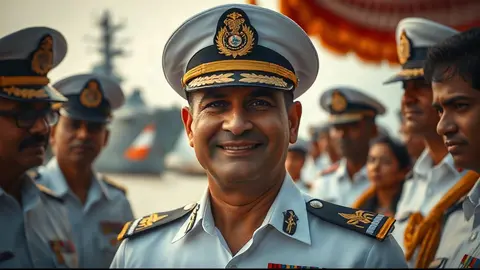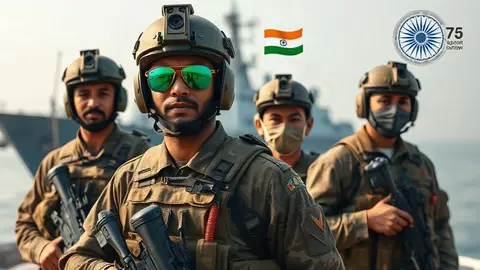
The Indo-Pacific Regional Dialogue 2026 (IPRD-2026), a pivotal international strategic conference organized by the Indian Navy in collaboration with the National Maritime Foundation, wrapped up on November 5, 2026, in New Delhi. This three-day event focused on 'Science, Technology and Academic Cooperation in the Indo-Pacific' and aimed to forge practical pathways for regional maritime cooperation. The conference attracted military practitioners, policymakers, industry representatives, and academics from over twenty countries, highlighting the importance of collaborative approaches to maritime governance.
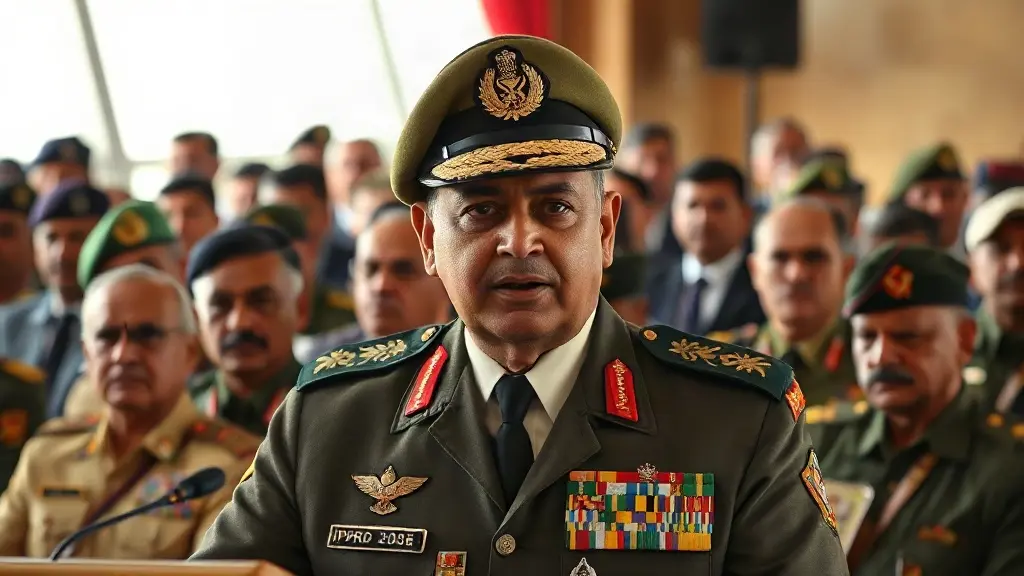
Keynote Address by Gen NS Raja Subramani
The concluding day commenced with a Special Address from General NS Raja Subramani, Chief of Defence Staff (CDS). His address set the tone for the discussions that followed, emphasizing the necessity of cooperative governance in the face of emerging maritime challenges. General Subramani engaged with the audience, addressing their queries and underscoring the importance of a united approach to maritime security in the Indo-Pacific region.
Collaborative Approaches to Ocean Governance
Following the keynote, a session titled 'Collaborative Approaches to Ocean Governance and Maritime Resilience' was moderated by Vice Admiral Sanjay Jasjit Singh (Retd), Director-General of the United Service Institution of India. This session featured prominent speakers, including Professor Deo Florence Onda from the University of the Philippines, who presented a cooperative plan to share Filipino expertise in ocean governance. Dr. Marie Bourrel-McKinnon, former Chief of Staff at the International Seabed Authority, discussed equitable partnerships in deep-sea research and resource governance, emphasizing the need for fair access to maritime resources.
Mr. Ramraj Narasimhan from the Coalition for Disaster Resilient Infrastructure (CDRI) provided insights into the Infrastructure for Resilient Island States (IRIS) programme, which aims to enhance the resilience of vulnerable island nations against [climate change](/topic/climate-change) and natural disasters. Meanwhile, Ms. Sofia Furstenberg-Stott from Future Maritime, Sweden, explored how marine science could better interface with shipping operations, advocating for a more integrated approach to maritime industry practices.
The session collectively addressed the urgent need to link scientific capabilities with governance frameworks, ensuring that research partnerships are equitable and that scientific knowledge informs decision-making processes in the maritime sector.
Transformative Maritime Technologies and Dual-Use Implications
The final session of IPRD-2026 focused on 'Transformative Maritime Technologies and Dual-Use Implications', moderated by Rear Admiral Guninder Singh Jawanda (Retd). This session highlighted the dual nature of emerging maritime technologies and their implications for regional security. Ms. Dongyoun Cho from the International Institute for Strategic Studies (IISS) in Germany presented a framework for Indo-Pacific cooperation on [artificial intelligence](/topic/artificial-intelligence) and quantum technologies, emphasizing their potential benefits and risks.
Dr. Eva Pejsova from the Brussels School of Governance discussed the European Union's mechanisms for the responsible governance of dual-use maritime technologies, stressing the importance of international collaboration in managing these technologies. Captain Mark Blaine (Retd) from Stellenbosch University outlined a cooperation roadmap for small and medium navies to adapt to these advancements, while Commodore Arun Golaya (Retd) emphasized the need for operational Navy-to-Navy cooperation to ensure responsible adoption of new technologies.
Valedictory Address and Future Directions
The conference concluded with a Valedictory Address by Shri Rajesh Kumar Singh, Defence Secretary of India, who encapsulated the essence of the discussions held over the three days. He highlighted the commitment of the Indian Navy to enhancing regional maritime security and promoting collaborative approaches to strengthen maritime resilience. The dialogue provided actionable outcomes under the Science, Technology, and Academic Cooperation pillar of the Indo-Pacific Oceans Initiative, reinforcing India's maritime vision of MAHASAGAR (Mutual and Holistic Advancement for Security and Growth).
Throughout IPRD-2026, over forty experts and distinguished speakers contributed their insights, fostering a rich exchange of ideas and strategies aimed at addressing the complex challenges facing the Indo-Pacific region. The conference not only underscored the critical importance of cooperative ocean governance but also set the stage for future collaborations that could significantly enhance maritime security and resilience across the region.
| Session Title | Key Speaker | Focus Area |
|---|---|---|
| Collaborative Approaches to Ocean Governance | Professor Deo Florence Onda | Sharing Filipino expertise in ocean governance |
| Equitable Deep-Sea Research Partnerships | Dr. Marie Bourrel-McKinnon | Resource governance and partnerships |
| Infrastructure for Resilient Island States (IRIS) | Mr. Ramraj Narasimhan | Resilience against climate change |
| Transformative Maritime Technologies | Ms. Dongyoun Cho | AI and quantum technologies in the maritime domain |
| Responsible Governance of Dual-Use Technologies | Dr. Eva Pejsova | EU-Indo-Pacific cooperation |