India’s Vision for a Debris-Free Space
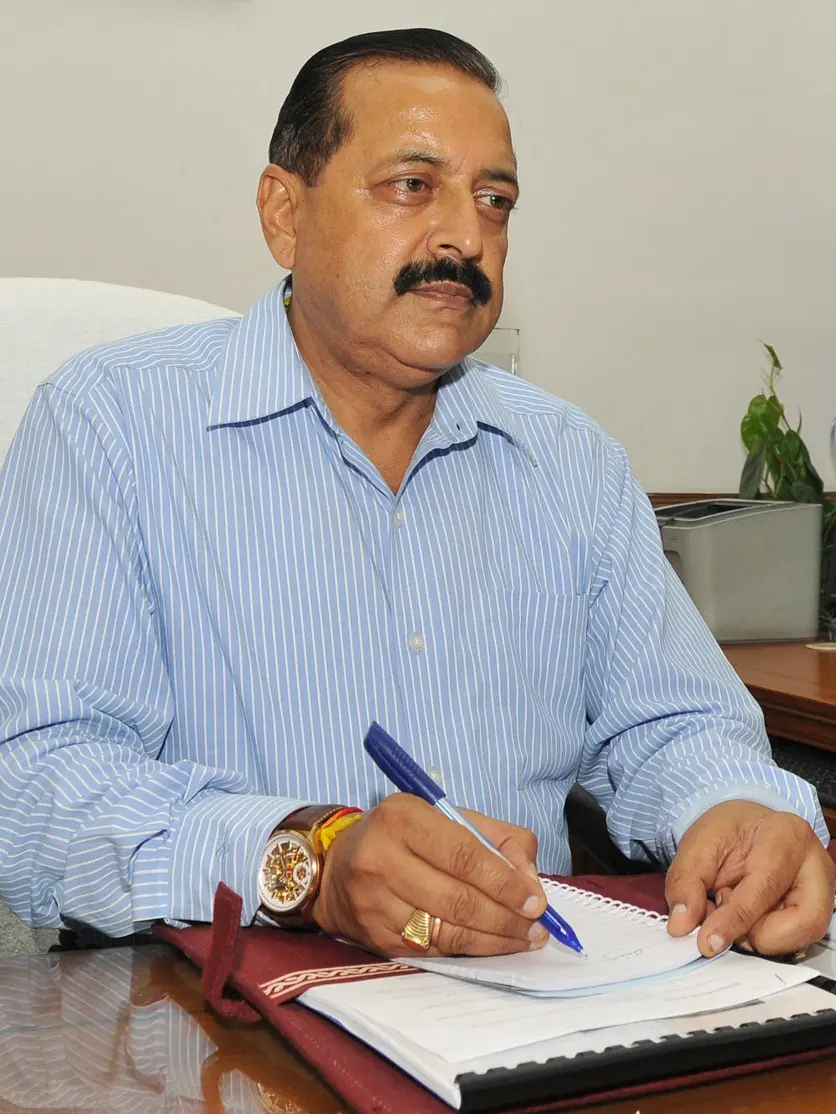
In a groundbreaking announcement, Union Minister Dr. Jitendra Singh has unveiled India's ambitious vision to achieve a debris-free space by 2030. Speaking virtually from Kartavya Bhawan in New Delhi during the inauguration of Cosmoserve Space's Base 1 facility in Hyderabad, Dr. Singh emphasized the importance of active space debris removal (ADR) technologies in ensuring a sustainable environment for future generations. This initiative marks a significant step forward in India's growing leadership in global space technology and reflects a commitment to safeguarding the space environment for all humanity.
The Cosmoserve Space facility, located at VSD Tech Park in Gachibowli, spans approximately 14,800 square feet and is equipped with state-of-the-art technology for designing, building, and testing space robots. It features specialized labs for orbital rendezvous and capture, microgravity simulations, and satellite integration, showcasing India's advancements in private space capabilities. Dr. Singh noted that the facility represents a collaborative effort among various stakeholders in the space sector, including partnerships with Pixel for satellite systems and Dhruv Aerospace Netherlands for propulsion systems.
Cosmoserve Space and Mission EMBRACE
Dr. Jitendra Singh congratulated Dr. Chiranjeevi Phanindra, Founder and CEO of Cosmoserve Space, for the pioneering work being done in ADR and in-orbit servicing. The company’s recent Mission EMBRACE successfully tested soft robotic petals in July 2026, demonstrating rapid technological progress within just a year of its establishment. This mission reflects the growing maturity of India's private space startups and their ability to innovate in the field of space technology.
The Minister highlighted that the experience gained from [ISRO](/topic/isro) and the Gaganyaan program is being effectively translated into a collaborative model within the private sector. This synergy is crucial for developing integrated space missions that can set global benchmarks in space technology. Dr. Singh's remarks underscore the importance of fostering a culture of collaboration among startups, which is essential for the growth of India's space economy.
The Growth of India’s Space Economy
India's space economy has witnessed remarkable growth, expanding to nearly USD 9 billion, with projections to reach USD 40–45 billion in the next decade. This growth can be attributed to the transformative space reforms initiated by Prime Minister [Narendra Modi](/topic/narendra-modi), which have unlocked the potential of India's scientific talent and technological capabilities. Dr. Singh noted that the number of space startups has surged from a mere handful to nearly 450, reflecting a vibrant ecosystem that encourages innovation and entrepreneurship.
The Minister called for increased investment, collaboration, and philanthropy in the space sector to accelerate India's technological ambitions. He emphasized that while India has always possessed scientific talent, an enabling ecosystem is crucial for harnessing the potential of its youth. By inviting domestic and international investors to participate actively in the space sector, Dr. Singh aims to foster a collaborative environment that will drive further advancements in space technology.
International Collaboration and Future Prospects
Dr. Singh's vision for a debris-free space aligns with global efforts to address the growing issue of space debris, which poses significant risks to satellites and other space missions. The Minister's call for international collaboration highlights India's commitment to contributing to global space sustainability initiatives. By positioning itself as a leader in ADR technologies, India aims to play a pivotal role in ensuring the long-term viability of space exploration and utilization.
As the country moves towards its goal of a debris-free space by 2030, the focus will be on developing innovative technologies and fostering partnerships that can enhance the safety and sustainability of outer space. The establishment of Cosmoserve Space's Base 1 facility is a testament to India's dedication to achieving these objectives and reflects a broader commitment to responsible space exploration.
Conclusion: A New Era in Space Technology
The inauguration of Cosmoserve Space's Base 1 facility marks a significant milestone in India's journey towards becoming a global leader in space technology. With a clear vision for a debris-free space by 2030, India is poised to make substantial contributions to the field of active space debris removal. Dr. Jitendra Singh's announcement not only highlights the country's technological advancements but also underscores the importance of collaboration and investment in shaping the future of space exploration. As India continues to expand its capabilities in this domain, the global community can look forward to a safer and more sustainable space environment for all.
| Metric | Current Value | Projected Value |
|---|---|---|
| Space Economy Growth | USD 9 billion | USD 40-45 billion |
| Number of Space Startups | Nearly 450 | - |
| Facility Size (Base 1) | 14,800 square feet | - |
| Mission EMBRACE Test Date | July 2026 | - |