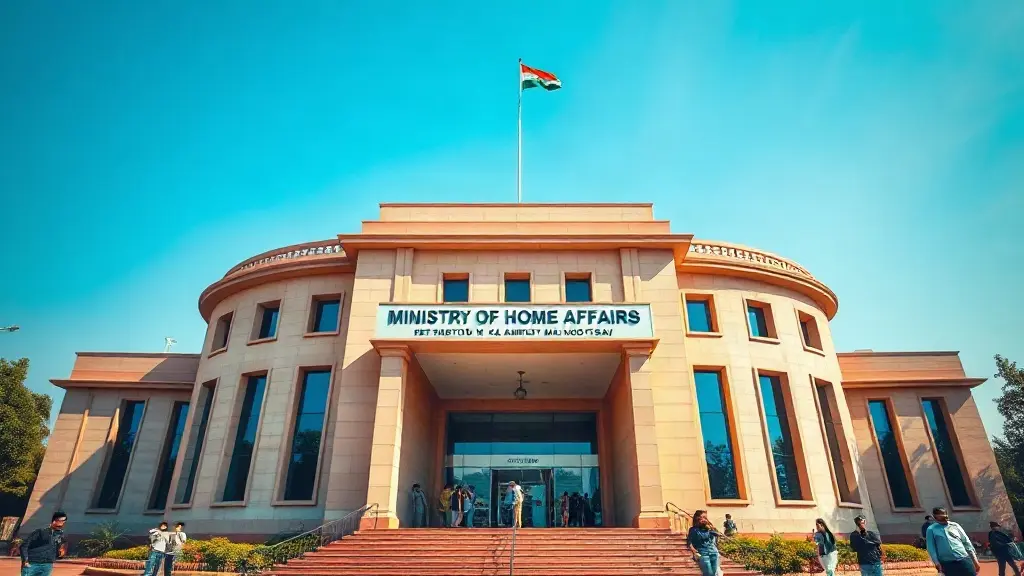
The Ministry of Home Affairs (MHA) has introduced a significant amendment to the Immigration and Foreigners (Exemption) Order, 2025, mandating that members of six non-Muslim communities from Afghanistan, Bangladesh, and Pakistan must now obtain an appropriate visa to remain in India. This decision, announced on November 4, 2026, applies to individuals who entered the country on or before December 31, 2024, and who either arrived without valid travel documents or whose documents have since expired. This amendment reflects the Indian government's ongoing efforts to manage immigration while addressing humanitarian concerns.
Understanding the Amendment and Its Implications
The amendment specifically targets six minority communities: Hindus, Sikhs, Buddhists, Jains, Parsis, and Christians. These groups have been granted exemptions from the requirement of possessing valid passports or visas at the time of their entry into India, a policy initially established in a notification dated September 2, 2025. The rationale behind this exemption was to provide refuge to individuals fleeing religious persecution in their home countries.
According to the MHA, the amendment aims to streamline the immigration process for these communities while ensuring that they have the necessary documentation to remain in India legally. The requirement for a visa is seen as a way to formalize their status and provide a framework for their continued stay in the country.
Historical Context of Religious Persecution
The decision to amend the immigration policy is rooted in the historical context of religious persecution faced by these communities in Afghanistan, Bangladesh, and Pakistan. Over the years, many individuals from these groups have sought asylum in India, citing threats to their safety and freedom due to their religious beliefs.
For instance, Hindus and Sikhs in Afghanistan have faced increasing violence and discrimination, particularly following the Taliban's resurgence. Similarly, Christians in Pakistan have reported numerous instances of persecution, including forced conversions and violence. The Indian government has positioned itself as a sanctuary for these persecuted minorities, but the new visa requirement raises questions about the future of those who have already settled in India without formal documentation.
The Process of Obtaining a Visa
With the introduction of the visa requirement, individuals from the six communities must now navigate the visa application process to secure their legal status in India. The MHA has not specified the exact procedures or criteria for obtaining these visas, leading to uncertainty among those affected.
Experts suggest that the government should provide clear guidelines and support for these communities to facilitate their transition to legal residency. This includes ensuring that the visa application process is accessible and does not impose undue burdens on individuals who have already faced significant hardships.
Reactions from Advocacy Groups
The amendment has elicited mixed reactions from advocacy groups and human rights organizations. Some view it as a necessary step to regulate immigration and ensure that individuals in India are documented. However, others argue that it could lead to increased vulnerability for those who are unable to obtain visas due to bureaucratic hurdles or lack of resources.
Human rights advocates emphasize the need for the Indian government to balance immigration control with humanitarian obligations. They argue that the visa requirement should not become a barrier for those genuinely seeking refuge from persecution. Advocacy groups are calling for the government to provide support systems, including legal assistance and information dissemination, to help affected individuals navigate the new requirements.
Future Implications for Immigration Policy
The amendment to the Immigration and Foreigners (Exemption) Order, 2025, signals a shift in India's immigration policy, particularly concerning religious minorities. As the government continues to refine its approach to immigration, it will be crucial to monitor the impact of these changes on the communities involved.
The requirement for visas could potentially alter the landscape of asylum-seeking in India, making it more challenging for individuals from these communities to find safety. It remains to be seen how the government will implement this policy and whether it will lead to further changes in immigration regulations in the future.
The Home Ministry's amendment reflects a complex interplay between immigration control and humanitarian response. As India grapples with these challenges, the experiences of the affected communities will be critical in shaping future policies and practices. The government must ensure that its immigration framework is not only effective but also compassionate, providing a safe haven for those fleeing persecution while maintaining the integrity of its borders.
| Community | Country of Origin | Visa Requirement | Entry Deadline |
|---|---|---|---|
| Hindus | Afghanistan | Yes | December 31, 2024 |
| Sikhs | Afghanistan | Yes | December 31, 2024 |
| Buddhists | Bangladesh | Yes | December 31, 2024 |
| Jains | Pakistan | Yes | December 31, 2024 |
| Parsis | Pakistan | Yes | December 31, 2024 |
| Christians | Bangladesh | Yes | December 31, 2024 |