Several residents from the Kotia gram panchayat, a region embroiled in a long-standing territorial dispute between Odisha and Andhra Pradesh, crossed the border to participate in the recent elections for the mandal parishad territorial constituency (MPTC) and zilla parishad territorial constituency (ZPTC) held by the Andhra Pradesh State Election Commission. This unusual situation unfolded on November 5, 2026, as the villagers sought to exercise their democratic rights amidst heightened tensions and allegations of electoral malfeasance.
Background of the Kotia Dispute
The Kotia region has been a flashpoint for territorial disputes between Odisha and Andhra Pradesh for decades. The conflict primarily revolves around the jurisdiction of Kotia, which has led to a complex legal and administrative situation. The Odisha government has consistently claimed that Kotia falls within its borders, while Andhra Pradesh has sought to integrate the area into its administrative framework. This ongoing dispute has created a unique electoral scenario, where residents find themselves caught between two states.
Election Day Tensions and Police Deployment
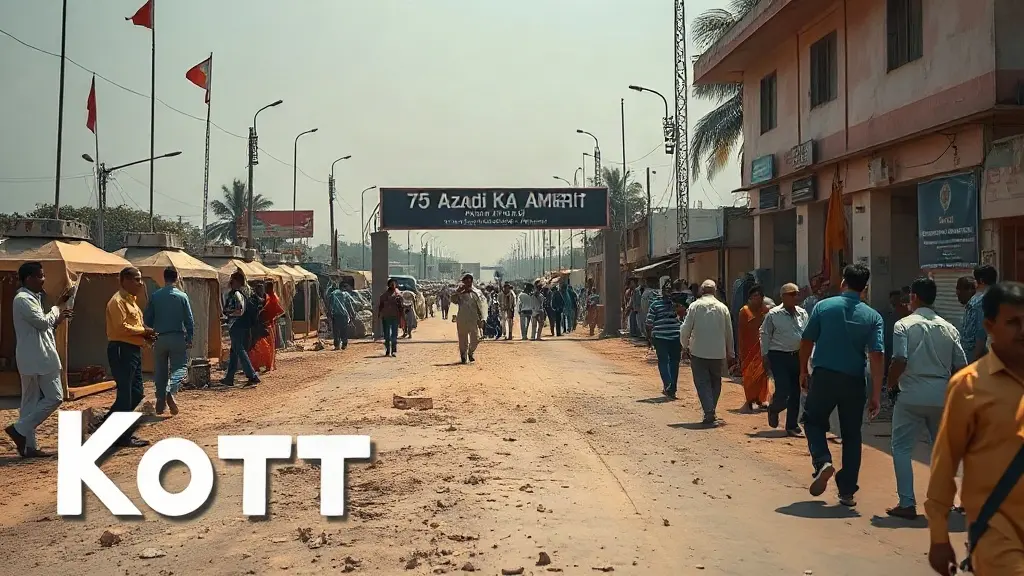
On the day of the elections, the Odisha government took significant measures to prevent residents from crossing the border. Sixteen platoons of police were deployed along with three border checkpoints to monitor and restrict movement. Despite these efforts, many villagers managed to sneak past the checkpoints to cast their votes in Andhra Pradesh.
The polling booth set up for Kotia residents was located at Sariki, just across the state line, facilitating the voting process for those who chose to cross over. The situation was tense, with police on high alert, yet the determination of the villagers to vote prevailed.
Allegations of Bribery and Electoral Manipulation
The electoral process in Kotia has not been without controversy. Political parties in Odisha have leveled serious accusations against their counterparts in Andhra Pradesh, claiming that they engaged in bribery to secure votes from the Kotia residents. Veteran Congress MLA Tara Prasad Bahinipati, representing Koraput district, voiced his concerns, stating, "Some were taken to the other side of the boundary on Wednesday. After casting their votes, they returned." This statement underscores the allegations of organized efforts to influence the voting behavior of Kotia residents.
The accusations of bribery have sparked outrage among Odisha's political circles, with leaders calling for investigations into the electoral practices employed by Andhra Pradesh. The situation has raised questions about the integrity of the electoral process in disputed territories and the lengths to which political parties will go to secure votes.
Community Reactions and Political Ramifications
The reactions from the Kotia community have been mixed. While some residents expressed gratitude for the opportunity to vote, others voiced concerns about the implications of crossing state lines and the potential repercussions from the Odisha government. The fear of political retribution looms large, as many villagers rely on government services and support from the Odisha administration.
Local leaders have called for a unified approach to address the grievances of the Kotia residents, emphasizing the need for dialogue between the two states to resolve the territorial dispute amicably. The elections have highlighted the urgent need for a resolution to the ongoing conflict, as the current situation only exacerbates tensions between the two states.
Future Implications for the Kotia Region
The events surrounding the elections in Kotia may have lasting implications for the region. As both Odisha and Andhra Pradesh continue to assert their claims over the territory, the potential for further conflict remains high. The electoral process has not only exposed the vulnerabilities of the residents caught in this dispute but has also brought to light the broader issues of governance, representation, and the rule of law in contested areas.
In the wake of the elections, it is crucial for both state governments to engage in constructive dialogue to address the concerns of the Kotia residents. The need for a clear and fair resolution to the territorial dispute is paramount, as continued tensions could lead to further unrest and division within the community.
As the dust settles from this contentious election, the future of Kotia hangs in the balance, with the hope that a peaceful resolution can be reached for the benefit of its residents and the integrity of the electoral process in India.
| Metric | Value |
|---|---|
| Police Platoons Deployed | 16 |
| Border Checkpoints Erected | 3 |
| Date of Elections | November 5, 2026 |
| Allegations of Bribery | Yes |
| MLA Statement | "Some were taken..." |