France's Cybersecurity Crisis: Iran's Alleged Role
On November 9, 2026, French Foreign Minister Jean-Noël Barrot publicly attributed a series of cyberattacks targeting industrial refrigeration units to Iran, specifically the Islamic substantial Guard Corps (IRGC). These attacks, which occurred in October and November, compromised thousands of internet-connected freezer units across France and Europe, leading to significant food spoilage and potential risks to medical supplies. This incident marks a troubling escalation in cyber warfare, with implications for national security and international relations.
The attacks were characterized by hackers remotely accessing web-based controllers that manage refrigeration systems in grocery stores and blood banks. Reports indicate that the hackers raised temperatures in these units, resulting in the spoilage of food. Fortunately, the attacks on blood banks were thwarted before any blood supplies were compromised, according to the French Blood Establishment. The scale and audacity of these attacks have raised alarms within the French government, prompting immediate action.
The Nature of the Attacks
The cyberattacks on France's refrigeration infrastructure are part of a broader pattern of hostile cyber activities attributed to Iranian actors. Security researchers have identified vulnerabilities in the web-based controllers used in these systems, particularly those manufactured by Danish company Danfoss, which reportedly ceased providing security updates for some affected models. This lack of ongoing support has left critical infrastructure exposed to potential exploitation.
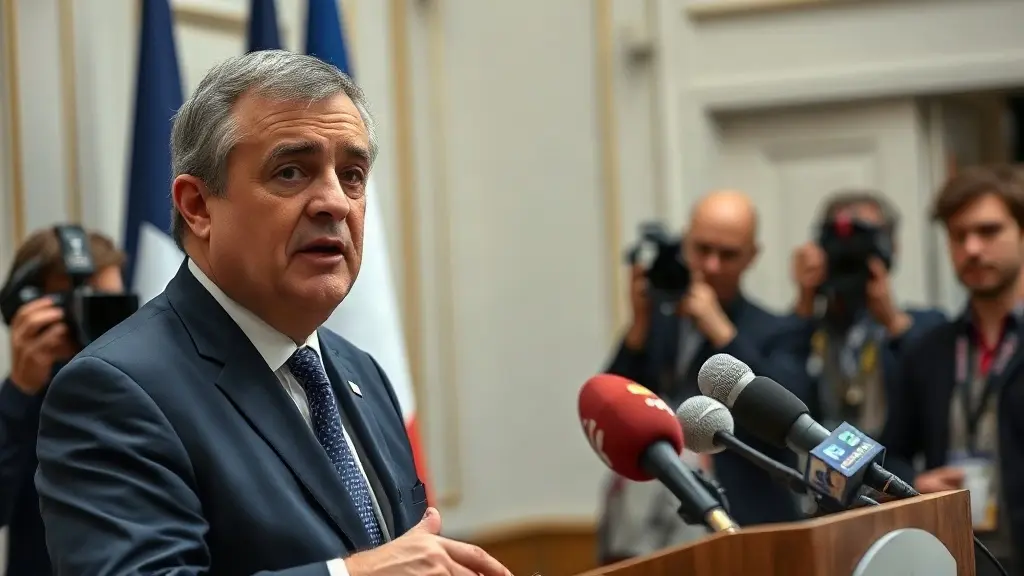
Barrot described the attacks as “an unprecedented scale and aggression,” emphasizing that this represents the first large-scale act of sabotage on French soil. He stated, “This constitutes a major assault on the nation’s interests and the security of the French people.” The French government has responded by summoning Iran’s ambassador and indicating that European-wide sanctions against those responsible for the attacks are forthcoming.
Context: Rising Tensions and Cyber Warfare
The cyberattacks come amid heightened tensions between Iran and Western nations, particularly following the U.S.-Israel-led military actions that resulted in the death of Iran's supreme leader earlier this year. Analysts suggest that these cyber operations may be retaliatory in nature, reflecting Iran's strategy to leverage cyber capabilities in response to geopolitical pressures. The U.S. government has also been investigating similar cyber incidents involving freezer units on military bases, linking them to Iranian activities, although formal attribution has yet to be made public.
The implications of these cyberattacks extend beyond immediate disruptions. They highlight vulnerabilities in critical infrastructure that could be exploited by state-sponsored actors, raising concerns about the preparedness of nations to defend against such threats. The French government’s swift attribution to Iran underscores the seriousness with which it views these incidents, as well as the potential for broader geopolitical ramifications.
International Response and Future Implications
In light of these developments, the French government is poised to take significant steps to bolster its cybersecurity posture. Barrot indicated that the matter is now in the hands of the French justice system, which may lead to legal actions against those involved in the cyberattacks. Additionally,, the European Union is likely to discuss coordinated sanctions against Iran, reflecting a unified stance against cyber aggression.
The situation also raises questions about the effectiveness of current cybersecurity measures in protecting critical infrastructure. Experts argue that more robust security protocols and international cooperation are essential to mitigate the risks posed by state-sponsored cyber threats. As nations grapple with the evolving landscape of cyber warfare, the need for comprehensive strategies to safeguard essential services has never been more urgent.
Conclusion: A Call for Vigilance
As France navigates this cybersecurity crisis, the recent attacks serve as a stark reminder of the vulnerabilities inherent in modern infrastructure. The attribution of these attacks to Iran not only escalates tensions between the two nations but also underscores the broader implications for international security. With the potential for further retaliatory actions and the need for enhanced cybersecurity measures, the global community must remain vigilant in the face of evolving cyber threats.
| Metric | Value |
|---|---|
| Date of Attribution | November 9, 2026 |
| Number of Affected Units | Thousands |
| Countries Impacted | France and broader Europe |
| Type of Targets | Grocery freezers, blood banks |
| Responsible Entity | Islamic substantial Guard Corps |
| French Government Response | Sanctions and legal actions |