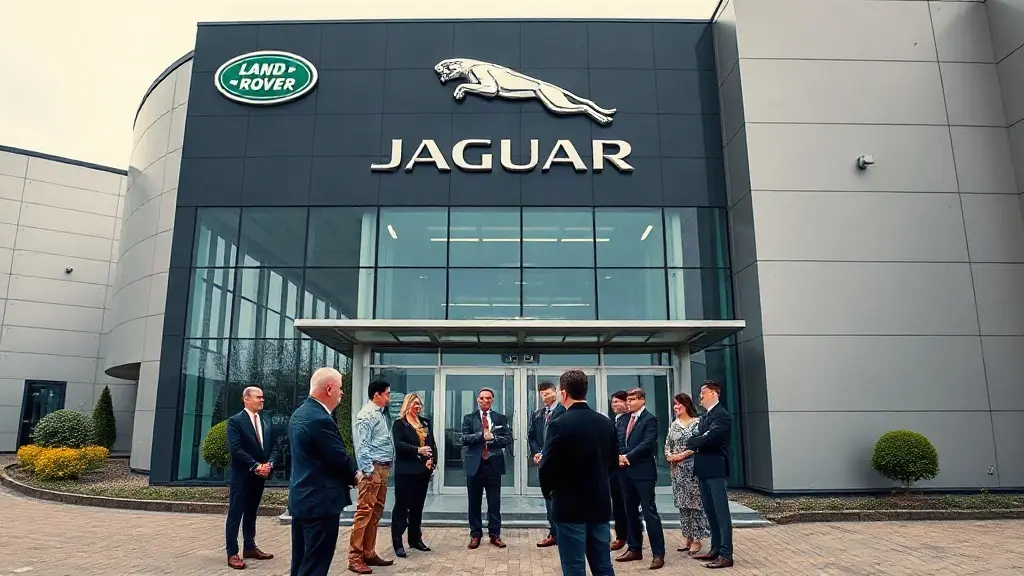
In a significant ruling, the Employment Tribunal has decided in favor of Jaguar Land Rover Ltd in the case of Mr L Curtis (case number 1301486/2022). The tribunal's decision, published on November 10, 2026, addresses the claims of unfair dismissal brought by Curtis against the automotive giant, marking a critical juncture in employment law within the industry.
Overview of the Case Against Jaguar Land Rover
Mr L Curtis, a former employee of Jaguar Land Rover, initiated legal proceedings alleging that his dismissal was both unfair and unjustified. The tribunal examined the circumstances surrounding his termination, which Curtis argued was based on discriminatory practices and a lack of proper procedural adherence by the company. The tribunal's review included testimonies and evidence presented by both parties, focusing on workplace policies and the treatment of employees.
The tribunal's ruling emphasized the importance of adhering to established protocols in employment practices. According to the tribunal's findings, Jaguar Land Rover had followed appropriate procedures during Curtis's dismissal, thereby validating the company's actions. The tribunal stated, "The evidence presented demonstrates that the dismissal was conducted in accordance with the company's policies and was not influenced by discriminatory factors."
Key Findings of the Tribunal
The tribunal's decision highlighted several critical points regarding the dismissal process:
1. Procedural Fairness: The tribunal found that Jaguar Land Rover had adhered to its internal guidelines, ensuring that Curtis was given a fair opportunity to present his case before the final decision was made.
2. Lack of Discrimination: The ruling dismissed Curtis's claims of discrimination, stating that there was insufficient evidence to support his allegations. The tribunal noted that the company's actions were consistent with their treatment of other employees in similar situations.
3. Impact on Workplace Policies: The decision reinforces the necessity for companies to maintain clear and transparent dismissal procedures, which can protect them from potential legal challenges. The tribunal remarked, "This case serves as a reminder of the importance of procedural integrity in employment practices."
Implications for Jaguar Land Rover and the Automotive Industry
The outcome of this case has broader implications for Jaguar Land Rover and the automotive sector as a whole. The ruling not only protects the company from potential financial liabilities but also sets a precedent for how dismissal cases may be handled in the future. Employment law experts suggest that this case could influence how other companies approach their internal policies regarding employee dismissals and grievances.
Industry analysts have noted that the ruling may lead to a reassessment of workplace practices across the automotive industry. "Companies must ensure that their dismissal processes are robust and transparent to avoid similar legal challenges," stated an employment law consultant.
Reactions from Stakeholders
Reactions to the tribunal's decision have been mixed. While Jaguar Land Rover welcomed the ruling as a validation of its employment practices, Curtis expressed disappointment, stating that he felt his case was not adequately considered. "I believe there were significant factors that were overlooked, and I will continue to advocate for fair treatment in the workplace," Curtis remarked.
Employee advocacy groups have also weighed in, emphasizing the need for ongoing scrutiny of workplace practices. They argue that while the tribunal ruled in favor of Jaguar Land Rover, it does not negate the importance of addressing employee concerns and ensuring that all workers are treated fairly.
Conclusion: A Landmark Decision in Employment Law
The ruling in Mr L Curtis v Jaguar Land Rover Ltd marks a significant moment in employment law, particularly within the automotive industry. It underscores the necessity for companies to maintain clear and fair dismissal procedures while also highlighting the ongoing challenges employees face in seeking justice in the workplace. As the industry evolves, this case will likely serve as a reference point for future legal disputes involving employment practices.
This decision not only impacts Jaguar Land Rover but also sets a precedent for how employment disputes may be resolved in the future, emphasizing the importance of procedural integrity in workplace policies.
| Key Metrics | Details |
|---|---|
| Case Number | 1301486/2022 |
| Tribunal Decision Date | November 10, 2026 |
| Company Involved | Jaguar Land Rover Ltd |
| Claimant | Mr L Curtis |
| Ruling Outcome | In favor of Jaguar Land Rover |
| Key Findings | Procedural fairness, lack of discrimination |