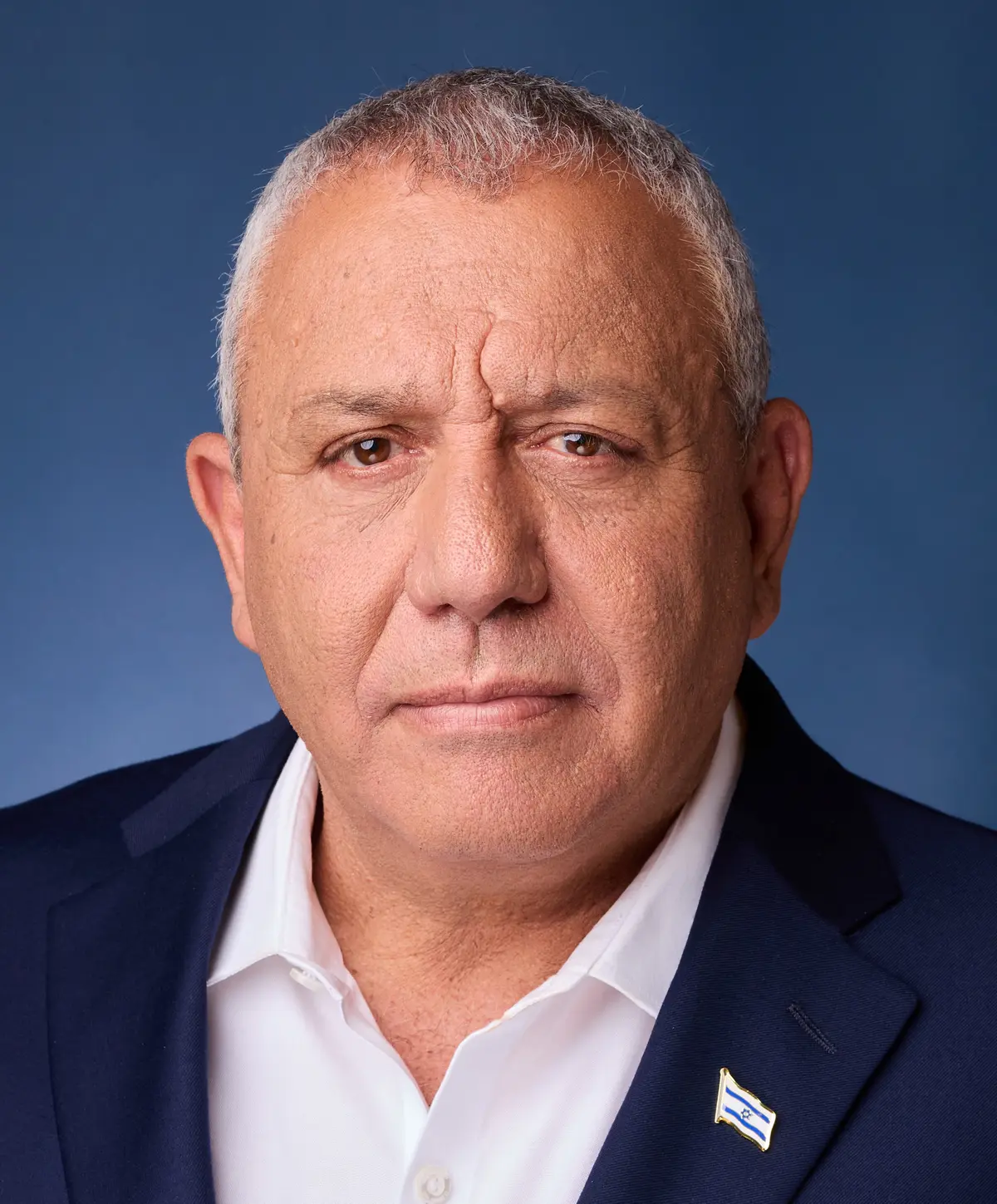
Gadi Eisenkot, the newly appointed leader of the Yashar party, has officially begun the challenging process of forming a government in Israel, following a mandate from President Isaac Herzog. This comes amid escalating tensions and a political crisis that many observers believe could redefine the nation's future. Eisenkot, a former military chief and political novice, has been given 28 days to assemble a coalition capable of governing, despite his bloc lacking a clear majority.
Eisenkot's Mandate and Immediate Challenges
At a ceremony held at the President's residence in Jerusalem on November 8, 2026, Eisenkot received the formal mandate from Herzog. The 66-year-old leader, dressed in a formal suit and tie, emphasized the urgency of the situation, stating, "We are in a state of emergency, approaching a point of no return for the State of Israel." His comments reflect the gravity of the political landscape, which has been marked by deep polarization and unrest under the leadership of Benjamin Netanyahu.
Eisenkot's task is daunting. He must navigate a fragmented political environment where alliances are fragile, and public trust in government is waning. His Yashar party, while gaining traction, does not command a majority in the Knesset, Israel's [parliament](/topic/parliament-of-india). This lack of a clear mandate complicates his efforts to unite various factions, including those aligned with Netanyahu, who remains a powerful figure in Israeli politics.
The Political Landscape Under Netanyahu
Netanyahu's tenure has been characterized by significant controversy and division. His government has faced criticism for its handling of security issues, economic policies, and social justice matters. Many Israelis feel that the nation is at a crossroads, with rising tensions between different societal groups exacerbating the situation.
Eisenkot's approach aims to bridge these divides. He has expressed a commitment to fostering dialogue and cooperation among disparate political factions. His military background may lend him credibility in security matters, but translating that into political capital will require deft maneuvering and negotiation skills.
Public Sentiment and the Road Ahead
Public sentiment is a crucial factor as Eisenkot embarks on this journey. Recent polls indicate that a significant portion of the Israeli population is disillusioned with the current political climate. Many citizens are calling for a government that prioritizes unity and effective governance over partisan interests. Eisenkot's ability to resonate with these sentiments will be pivotal in his quest to form a stable government.
In his inaugural address, Eisenkot acknowledged the challenges ahead, stating, "We must work together to restore faith in our institutions and ensure that every voice is heard in our democracy." His call for unity may strike a chord with voters who are weary of the ongoing political strife.
Key Players in the Coalition Talks
As Eisenkot begins his negotiations, several key players will be instrumental in shaping the future of his coalition. He will likely engage with leaders from various parties, including those traditionally aligned with Netanyahu. The dynamics of these discussions will be crucial in determining whether Eisenkot can secure the necessary support to form a government.
Among the potential allies are smaller parties that have expressed a willingness to collaborate on issues of national importance. However, the ideological differences between these factions could pose significant hurdles. Eisenkot will need to find common ground on critical issues such as security, economic reform, and social justice to build a cohesive coalition.
Conclusion: A Defining Moment for Israel
The coming weeks will be a defining moment for both Eisenkot and Israel as a whole. With a 28-day deadline looming, the pressure is on to forge a government that can effectively address the pressing issues facing the nation. Eisenkot's leadership style, political acumen, and ability to unite disparate factions will be put to the test.
As the political landscape continues to evolve, all eyes will be on Eisenkot as he navigates this complex terrain. The outcome of his efforts could have lasting implications for Israel's future, potentially reshaping the political landscape for years to come. The stakes are high, and the nation watches closely as Eisenkot embarks on this critical mission.