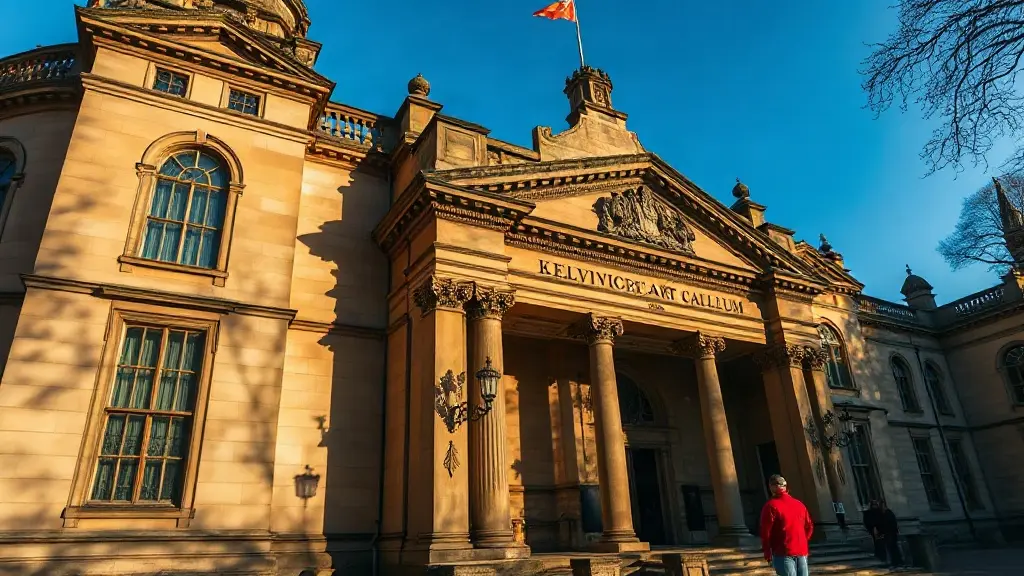
In a significant move that has reignited ethical discussions surrounding the display of ancient human remains, Egypt has formally requested the return of the mummified remains of Nekht, a priest from the Pharaonic era, from the Kelvingrove Art Gallery and Museum in Glasgow. The mummy, believed to be around 4,000 years old, was removed from public display in late October 2026 due to concerns regarding the lack of consent from the deceased or their descendants, according to local reports.
Ethical Concerns Prompt Museum Action
The decision to take Nekht out of public view was influenced by a recent update to the ethics code of the International Council of Museums (ICOM), which emphasizes the need to respect the inherent dignity of human remains. This change has led to a broader reassessment of how museums handle ancient artifacts, particularly those that are human in nature. Glasgow Life, the charity that operates the Kelvingrove museum, confirmed that they had received a request from Egypt regarding the return of the mummy, although they did not specify the details of the request.
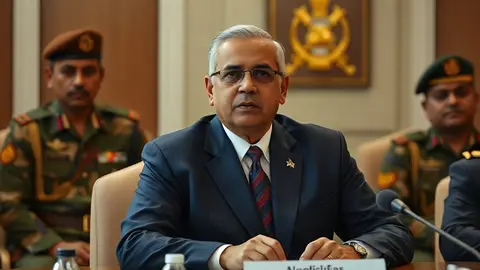
Sherif Fathy, Egypt’s Minister of Tourism, stated, “We are currently in the process of communicating and taking the measures required for Nekht’s possible return. We shall see how things unfold as such issues aren’t straightforward.” This statement underscores the complexities involved in repatriating cultural artifacts, especially those that have been housed in foreign institutions for extended periods.
The Historical Context of Nekht
Nekht, whose name translates to 'the one who is strong,' was a priest during the reign of the ancient Egyptian Pharaohs. His mummified remains are not only a significant archaeological find but also a representation of the rich cultural heritage of Egypt. The mummy was originally brought to Scotland in the 19th century, a period marked by colonial expansion and the widespread collection of artifacts from around the world. Such collections often occurred without the consent of the cultures from which these items were taken, leading to ongoing debates about ownership and ethical stewardship.
The Kelvingrove museum’s action reflects a growing awareness and sensitivity towards the rights of indigenous peoples and the ethical implications of displaying human remains. This shift is part of a larger trend in the museum sector, where institutions are increasingly scrutinizing their collections and the narratives they present to the public.
Broader Implications for Museums
The controversy surrounding Nekht is not an isolated incident. Other museums in the UK and beyond are also grappling with similar ethical dilemmas. For instance, the Hunterian Museum in Glasgow has opted to cover the remains of Lady Shep-En-Hor, a mummy over 2,500 years old, with a specially designed textile while leaving her sarcophagus on display. This decision reflects a commitment to balancing public interest in ancient artifacts with respect for the deceased.
As museums worldwide face pressure to address the legacies of colonialism and the ethical implications of their collections, the case of Nekht serves as a critical example of the challenges involved in repatriation efforts. Egypt has long sought the return of its cultural heritage, with the recent inauguration of the Grand Egyptian Museum, a $1 billion facility designed to showcase the country’s most treasured artifacts, highlighting the importance of these items to national identity and tourism.
Egypt’s Tourism Goals and Cultural Heritage
Egypt is targeting a record 20 million tourists in 2026, with plans to increase this number to 22 million by 2027. The return of significant cultural artifacts like Nekht could play a vital role in enhancing Egypt’s appeal as a tourist destination. The country is renowned for its ancient history, including the iconic pyramids, temples, and tombs, which attract millions of visitors each year.
The request for Nekht’s return not only emphasizes the importance of ethical considerations in museum practices but also highlights Egypt’s commitment to reclaiming its cultural heritage. As the country continues to develop its tourism sector, the repatriation of artifacts could serve as a powerful symbol of national pride and historical integrity.
Conclusion: A Call for Ethical Reassessment
The ongoing discussions surrounding the return of Nekht’s remains underscore the need for a comprehensive reassessment of how museums handle ancient artifacts. As institutions navigate the complexities of cultural heritage, it is essential to prioritize ethical considerations and the voices of the communities from which these artifacts originate. The case of Nekht is a reminder of the importance of consent, respect, and dignity in the stewardship of cultural heritage, paving the way for a more equitable future in the museum sector.
| Metric | Value |
|---|---|
| Age of Mummy | 4,000 years |
| Date of Removal | Late October 2026 |
| Targeted Tourists in 2026 | 20 million |
| Targeted Tourists in 2027 | 22 million |
| Year Grand Egyptian Museum | 2025 |