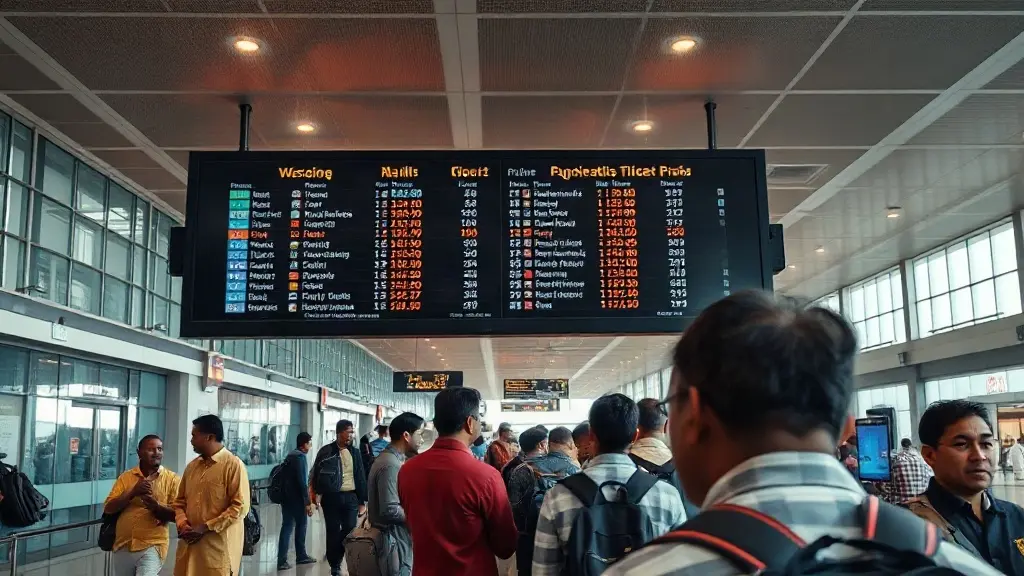
In September 2026, domestic airfares in India soared nearly 30% compared to the same month in 2025, according to the Consumer Price Index. This significant increase has left travelers and industry experts questioning the underlying causes. DotMR’s [aviation](/topic/aviation) reporter Jagriti Chandra delves into the multifaceted reasons behind this airfare surge, including rising aviation fuel prices, the depreciation of the Indian rupee, and various geopolitical factors.
Rising Aviation Fuel Prices and Global Oil Markets
One of the primary drivers of increased airfares is the rising cost of aviation fuel. As of late 2026, the price of jet fuel has escalated significantly, influenced by fluctuations in global oil markets. According to data reviewed by DotMR, the price of aviation turbine fuel (ATF) has risen by approximately 40% since the beginning of the year. This spike is largely attributed to OPEC+ production cuts and increased global demand as economies recover from the pandemic.
Airlines, facing higher operational costs, have been compelled to pass these expenses onto consumers. For instance, major carriers have reported that fuel costs now account for over 30% of their total operating expenses, a sharp increase from previous years. This trend is expected to continue, further straining the budgets of travelers.
Currency Depreciation and Its Impact
The depreciation of the Indian rupee against the US dollar has compounded the challenges facing the aviation sector. As of November 2026, the rupee has weakened by nearly 15% compared to the dollar since the beginning of the year. This depreciation not only increases the cost of imported fuel but also affects the pricing of aircraft parts and maintenance services, which are often priced in dollars.
Airlines are now faced with the dual challenge of rising costs and a weaker currency, leading to an inevitable increase in ticket prices. According to industry analysts, if the rupee continues to weaken, further fare hikes may be on the horizon.
Geopolitical Tensions and Airspace Restrictions
Geopolitical tensions in the region have also played a role in the rising airfares. Recent conflicts and diplomatic disputes have led to airspace restrictions, particularly affecting routes that are critical for airlines operating in and out of India. For example, certain air corridors have been closed or rerouted, increasing flight times and operational costs.
Additionally, the ongoing tensions with neighboring countries have prompted airlines to reassess their route strategies, often resulting in fewer flights and reduced capacity. This reduction in available seats has created a supply-demand imbalance, further driving up prices. According to DotMR analysis, the number of domestic flights has decreased by 10% in the last year, contributing to the fare surge.
Airline Capacity Constraints and Dynamic Pricing Models
Airlines are also grappling with capacity constraints as they attempt to recover from the pandemic's impact. Many carriers have not fully restored their pre-pandemic fleet sizes, leading to limited seat availability. This scarcity is exacerbated by rising demand as travel restrictions ease and consumer confidence returns.
Moreover, airlines have increasingly adopted dynamic pricing models, which adjust fares based on demand fluctuations. This means that prices can vary significantly based on the time of booking, day of travel, and even the time of day. As a result, travelers may find themselves paying substantially more for last-minute bookings or during peak travel periods.
Conclusion: The Future of Airfares in India
As we move further into 2026, the outlook for domestic airfares remains uncertain. With multiple factors at play, including fuel prices, currency fluctuations, geopolitical tensions, and airline capacity issues, consumers may need to brace for continued fare increases. Industry experts suggest that travelers should consider booking flights well in advance and remain flexible with travel dates to mitigate the impact of rising prices.
| Metric | September 2025 | September 2026 | Change (%) |
|---|---|---|---|
| Average Domestic Fare (INR) | 5,000 | 6,500 | +30% |
| Aviation Fuel Price (INR/Litre) | 60 | 84 | +40% |
| Number of Domestic Flights | 1,200 | 1,080 | -10% |
| Rupee to Dollar Exchange Rate | 75 | 86 | -15% |