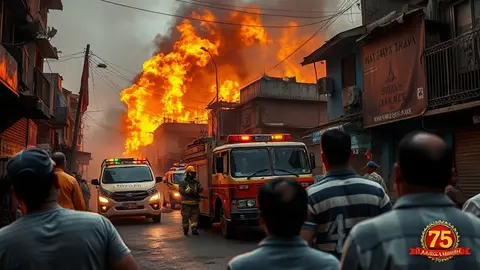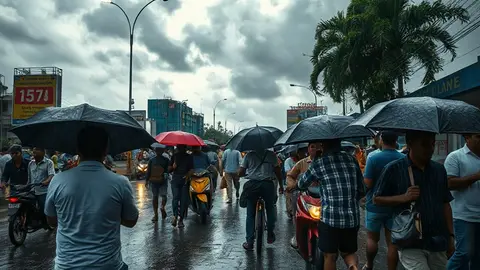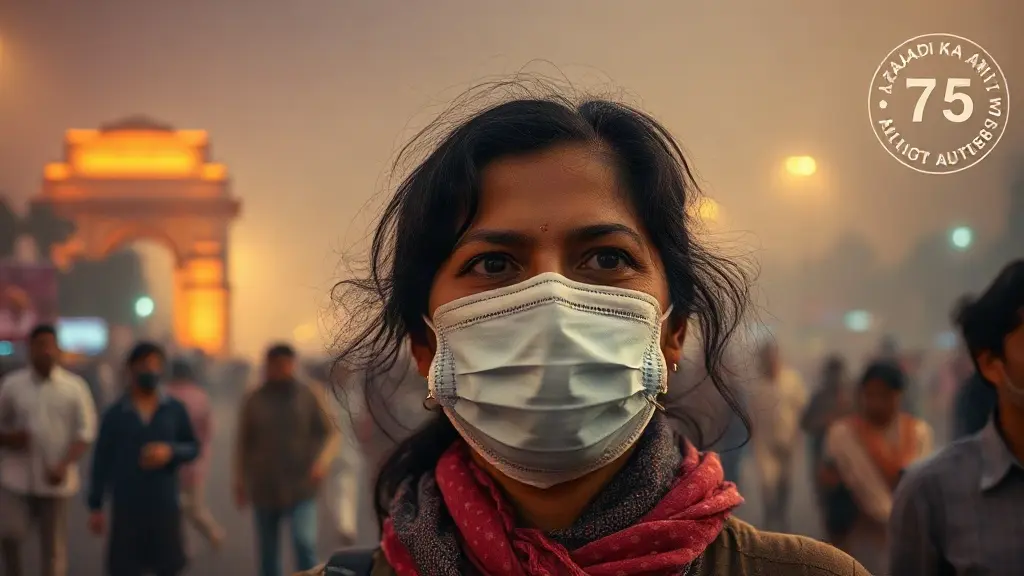
The air quality in Delhi has plummeted to alarming levels, with the Air Quality Index (AQI) surpassing 400 on Diwali, marking a severe deterioration in conditions across the national capital. As the Central Pollution Control Board (CPCB) reported, the AQI at ITO reached a staggering 406 around 4:20 am on November 9, 2026. This spike in pollution comes despite the enforcement of Stage III of the Graded Response Action Plan (GRAP) across the Delhi-NCR region, aimed at curbing air pollution during critical periods.
Firecracker Usage Amid Restrictions
Despite the Delhi government's appeals for compliance with the [Supreme Court](/topic/supreme-court-of-india)'s directives on the sale and use of green firecrackers, many residents disregarded the restrictions. The District Magistrate had permitted the use of green firecrackers only on November 7 and 8, during specific hours. However, reports emerged of firecracker usage in various areas, including Pitampura, Burari, and parts of Lutyens' Delhi, particularly on the evening of Diwali.
Residents reported a significant increase in firecracker activity, especially in Burari, where the intensity was notably high. The celebrations, which began around 5-6 pm, continued late into the night, contributing to the accumulation of smoke and exacerbating the already poor air quality. The overall AQI at 10 pm on Diwali was recorded at 371, with 20 monitoring stations indicating severe pollution levels.
Monitoring Stations Report Alarming AQI Levels
The situation worsened as the night progressed, with several monitoring stations recording AQI levels in the severe category. Sonia Vihar topped the list with an AQI of 463, followed closely by Jahangirpuri at 450. Other areas such as Burari, Alipur, and Punjabi Bagh also reported dangerously high pollution levels, remaining in the severe category throughout the day. The Commission for Air Quality Management in National Capital Region and Adjoining Areas (CAQM) confirmed that 20 out of 59 monitoring stations recorded [severe air quality](/delhi-faces-severe-air-quality-crisis-ahead-of-diwali-celebrations), while six stations fell into the poor category, and 33 were classified as very poor.
| Monitoring Station | AQI Level | Category |
|---|---|---|
| Sonia Vihar | 463 | Severe |
| Jahangirpuri | 450 | Severe |
| Burari | 440 | Severe |
| Punjabi Bagh | 430 | Severe |
| Alipur | 425 | Severe |
| Rohini | 410 | Severe |
| Okhla | 405 | Severe |
| South Extension | 360 | Very Poor |
| Rajiv Chowk | 381 | Poor |
Visibility Impaired by Thick Smog
The thick layer of smog that enveloped Delhi on Diwali significantly impaired visibility, particularly in areas like Inderlok. The combination of smoke from firecrackers and existing pollution created hazardous conditions, prompting health advisories from local authorities. Residents were urged to wear masks and limit outdoor activities, especially vulnerable populations such as children and the elderly.
The Delhi government had previously taken measures to mitigate pollution during the festival, including public awareness campaigns about the dangers of air pollution. However, the disregard for firecracker regulations has raised concerns about the effectiveness of these initiatives. The government’s efforts to promote green firecrackers were overshadowed by the overwhelming use of traditional firecrackers, which are known to contribute significantly to air pollution.
Health Implications and Future Measures
The health implications of such severe air quality levels are profound. Exposure to high levels of particulate matter can lead to respiratory issues, cardiovascular diseases, and other health complications. Medical professionals have warned that the spike in pollution could result in increased hospital visits for respiratory ailments in the days following Diwali.
In response to the deteriorating air quality, the Delhi government is expected to intensify its enforcement of the GRAP measures, which include restrictions on construction activities, increased monitoring of industrial emissions, and public awareness campaigns. The effectiveness of these measures will be crucial in addressing the ongoing air quality crisis in the capital.
As Delhi grapples with the aftermath of Diwali celebrations, the urgent need for stricter enforcement of pollution control measures and public compliance with regulations has never been clearer. The city’s air quality crisis serves as a stark reminder of the challenges posed by urban celebrations in an era of environmental consciousness.
The situation remains dynamic, and authorities are closely monitoring air quality levels as they prepare to implement additional measures to combat pollution in the coming days.