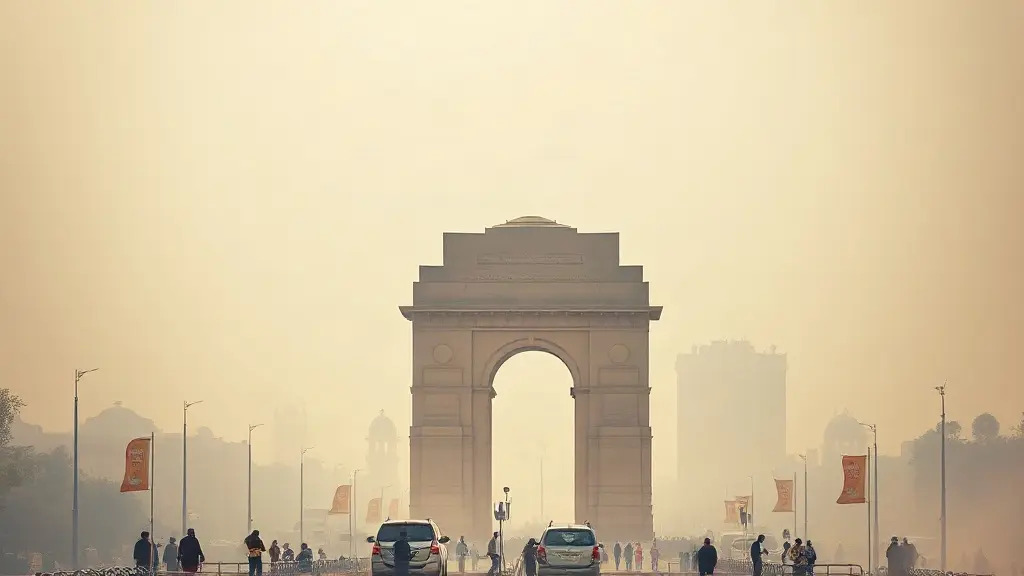
New Delhi's air quality plunged into hazardous territory on November 12, 2026, with the Air Quality Index (AQI) peaking at 609 at 6:01 AM. This alarming figure places the Indian capital among the world's most polluted cities, ranking 17th globally according to real-time data from AQI.in. The AQI reading of 597 at 8:11 AM indicates a severe deterioration in air quality, with PM2.5 concentrations reaching 374 micrograms per cubic meter (µg/m³) and PM10 levels at 394 µg/m³.
Overnight Surge in Pollution Levels
The AQI data reveals a dramatic rise in pollution levels overnight. The index, which stood at 206 at 4:01 PM on November 11, surged past 300 by 8 PM, indicating a rapid decline in air quality. By midnight, the AQI approached 500, and the morning of November 12 saw it peak at 609. This represents a staggering increase of 403 points from the previous afternoon's low, highlighting the volatility of air quality in the region.
The hazardous classification of the AQI, defined as readings above 301, underscores the immediate health risks posed to residents. The CPCB (Central Pollution Control Board) notes that such spikes can severely impact respiratory health, particularly for vulnerable populations including children, the elderly, and those with pre-existing health conditions.
Persistent Pollution Patterns
The hazardous air quality is not an isolated incident; it reflects a troubling trend observed throughout November. The air quality calendar indicates that hazardous readings have been consistent from November 1 to 11, with the highest recorded AQI of 666 on November 9, shortly after the Diwali celebrations. This pattern of elevated pollution levels has raised concerns among environmentalists and public health officials alike.
The month began with an AQI of 306, and despite fluctuations, the index has remained predominantly in the hazardous range. The readings dipped slightly on November 10 to 346 but quickly escalated again, peaking on November 12. This persistent pollution crisis has prompted calls for immediate action from local authorities and environmental agencies.
Comparative Analysis with Other Metros
In stark contrast to Delhi's alarming AQI, other major Indian cities reported significantly lower pollution levels. Chennai, which recorded the highest AQI among the other metros, stood at 190, well below the hazardous threshold. Bengaluru and Hyderabad reported AQIs of 173, while Mumbai and Pune both recorded 170. Ahmedabad and Kolkata had even lower readings of 147 and 126, respectively, categorizing them as poor and unhealthy.
Delhi's AQI was more than three times that of Chennai, highlighting the severity of the pollution crisis in the capital. The disparity in air quality among these cities raises questions about the effectiveness of local environmental policies and the need for a coordinated national response to combat air pollution.
Health Implications and Public Response
The hazardous air quality in New Delhi poses significant health risks. Exposure to high levels of PM2.5 and PM10 can lead to respiratory issues, cardiovascular diseases, and other serious health complications. Public health experts are urging residents to limit outdoor activities, especially vulnerable groups, and to use masks when necessary.
Local authorities have been criticized for their slow response to the ongoing pollution crisis. While the CPCB has implemented measures to monitor air quality, the effectiveness of these initiatives remains in question. Environmental activists are calling for stricter regulations on emissions from vehicles and industrial sources, as well as increased public awareness campaigns about the dangers of air pollution.
Government Initiatives and Future Outlook
In response to the escalating air quality crisis, the government has announced plans to enhance monitoring and enforcement of pollution control measures. This includes stricter regulations on construction activities, vehicle emissions, and industrial discharges. However, the implementation of these measures will be crucial in determining their effectiveness in improving air quality.
As the winter months approach, the risk of worsening air quality due to weather conditions and increased heating activities looms large. Experts warn that without immediate and decisive action, New Delhi may continue to face severe pollution crises, impacting the health and well-being of its residents.
| Forensic Metric / Statutory Dimension | Mainstream Wire Benchmark | DotMR Corroborated Record & Direct Impact |
|---|---|---|
| AQI at 8:11 AM | 597 | 403 points increase from 206 on Nov 11 |
| PM2.5 Concentration | 374 µg/m³ | Exceeds safe limits, severe health risks |
| PM10 Concentration | 394 µg/m³ | Significant contributor to hazardous AQI |
| Highest November AQI | 666 | Recorded on Nov 9, post-Diwali spike |
| Comparison with Chennai AQI | 190 | Delhi's AQI is over three times higher |