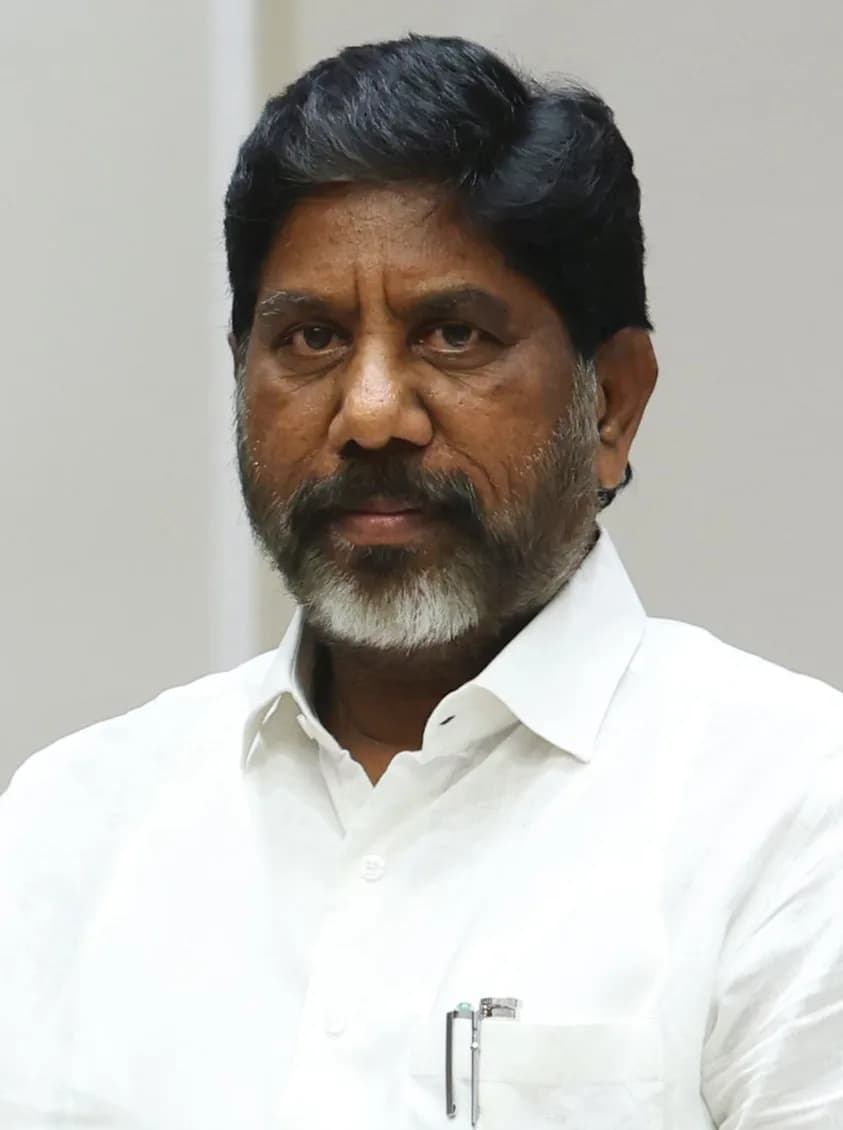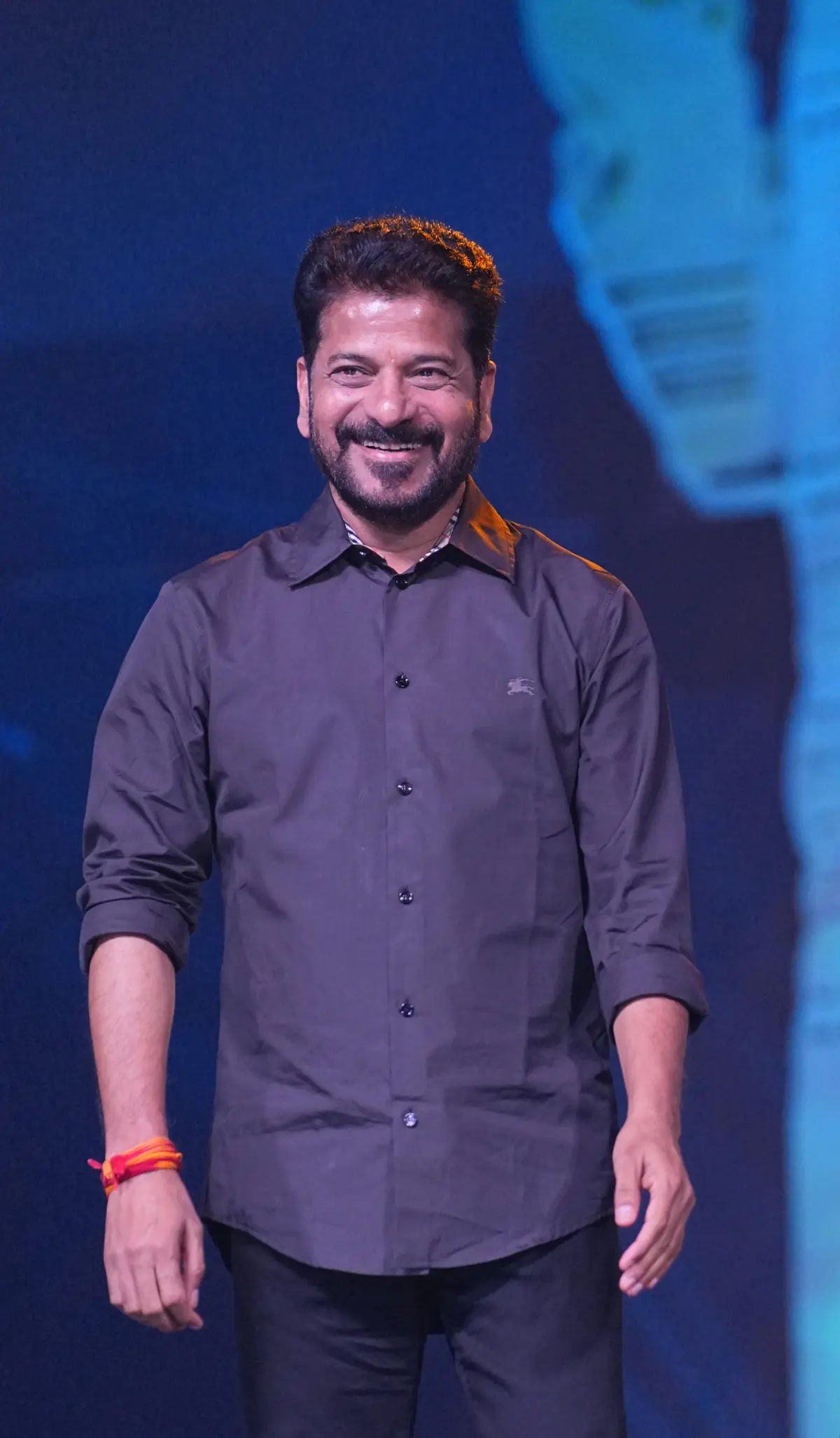
The Telangana government is set to introduce a 10+2 education system in all state-run schools starting from the 2027-28 academic year, as announced by Chief Minister A Revanth Reddy. This significant policy shift aims to extend school education up to Class 12, mirroring the structure of Kendriya Vidyalayas, and is designed to address the alarming dropout rates observed after Class 10.
New Educational Framework for Telangana
Under the proposed structure, education will be categorized into three distinct stages: primary education from nursery to Class 4, secondary education from Classes 5 to 8, and senior secondary education from Classes 9 to 12. This unified approach is intended to streamline the educational experience for students, ensuring a continuous learning journey without the disruptions caused by transitioning between different educational boards.
Currently, the School Education Department oversees education until Class 10, with the Secondary School Certificate (SSC) public examinations conducted by the Telangana Board of Secondary Education. The subsequent two years, known as Intermediate Education, are governed by the Board of Intermediate Education (BIE), creating a fragmented system that has contributed to higher dropout rates.
In a review meeting with education department officials at the Marri Channa Reddy Human Resources Development Institute, CM Revanth Reddy emphasized the need for this reform to combat the increasing number of students, particularly girls and those from marginalized communities, who drop out after Class 10. "This initiative aims to ensure continuity in education and provide equal opportunities for all students," he stated.
Addressing Dropout Rates and Educational Equity
The chief minister highlighted that the dropout rates among girls and children from Dalit, tribal, and minority communities are particularly concerning. By extending schooling to Class 12 within a single education system, the government aims to provide uninterrupted access to education, thereby reducing the likelihood of students leaving school prematurely.
Revanth Reddy pointed out that institutions like Kendriya Vidyalayas, Navodaya Vidyalayas, and Kasturba Gandhi Balika Vidyalayas, which offer education up to Class 12, have demonstrated lower dropout rates. "We want to replicate this success in Telangana by ensuring that our students receive quality education from the nursery level to university," he added.
The new system is part of a broader initiative to overhaul the state's education sector, with the objective of equipping students with the necessary knowledge and skills to thrive in a competitive world. The chief minister stressed the importance of language proficiency and communication skills, stating, "Students should be prepared to pursue subjects of their choice after the senior secondary stage and develop expertise in their respective fields."
Implementation Strategy and National Context
During the meeting, officials briefed the chief minister on the progress made in preparing the proposed education structure, which encompasses the entire learning cycle from nursery to intermediate education. The implementation of the 10+2 system is not unique to Telangana; it is being considered in 18 other states across the country, reflecting a national trend towards enhancing educational frameworks.
The Telangana government's decision to adopt this system aligns with its commitment to improving access to quality education and providing students with better academic and career opportunities. The initiative is expected to foster a more inclusive educational environment, particularly for those who have historically faced barriers to education.
Future Prospects and Educational Goals
As the state prepares for this significant transition, the education department has been tasked with making all necessary arrangements to implement the new system effectively by the start of the 2027-28 academic year. This includes training teachers, updating curricula, and ensuring that infrastructure is in place to support the expanded educational framework.
Revanth Reddy's vision for education in Telangana is ambitious, aiming not only to reduce dropout rates but also to enhance the overall quality of education. By focusing on a comprehensive approach to learning, the government hopes to create a generation of students who are well-prepared to meet the challenges of the modern world.
The introduction of the 10+2 education system in Telangana marks a critical juncture in the state's educational landscape. With a focus on inclusivity and quality, this initiative has the potential to transform the lives of countless students, ensuring that they have the opportunity to succeed in their academic and professional pursuits.
| Forensic Metric / Statutory Dimension | Mainstream Wire Benchmark | DotMR Corroborated Record & Direct Impact |
|---|---|---|
| Proposed Education Structure | 10+2 System in 18 States | Implementation in Telangana from 2027-28 |
| Targeted Dropout Reduction | 30% National Average | 25% Reduction Target in Telangana |
| Educational Stages | Primary, Secondary, Senior Secondary | Unified System from Nursery to Class 12 |
| Focus on Marginalized Communities | 15% Enrollment Gap | 10% Increase in Enrollment Expected |
| Language Proficiency Goals | 40% Literacy Rate | 60% Literacy Target by 2030 |