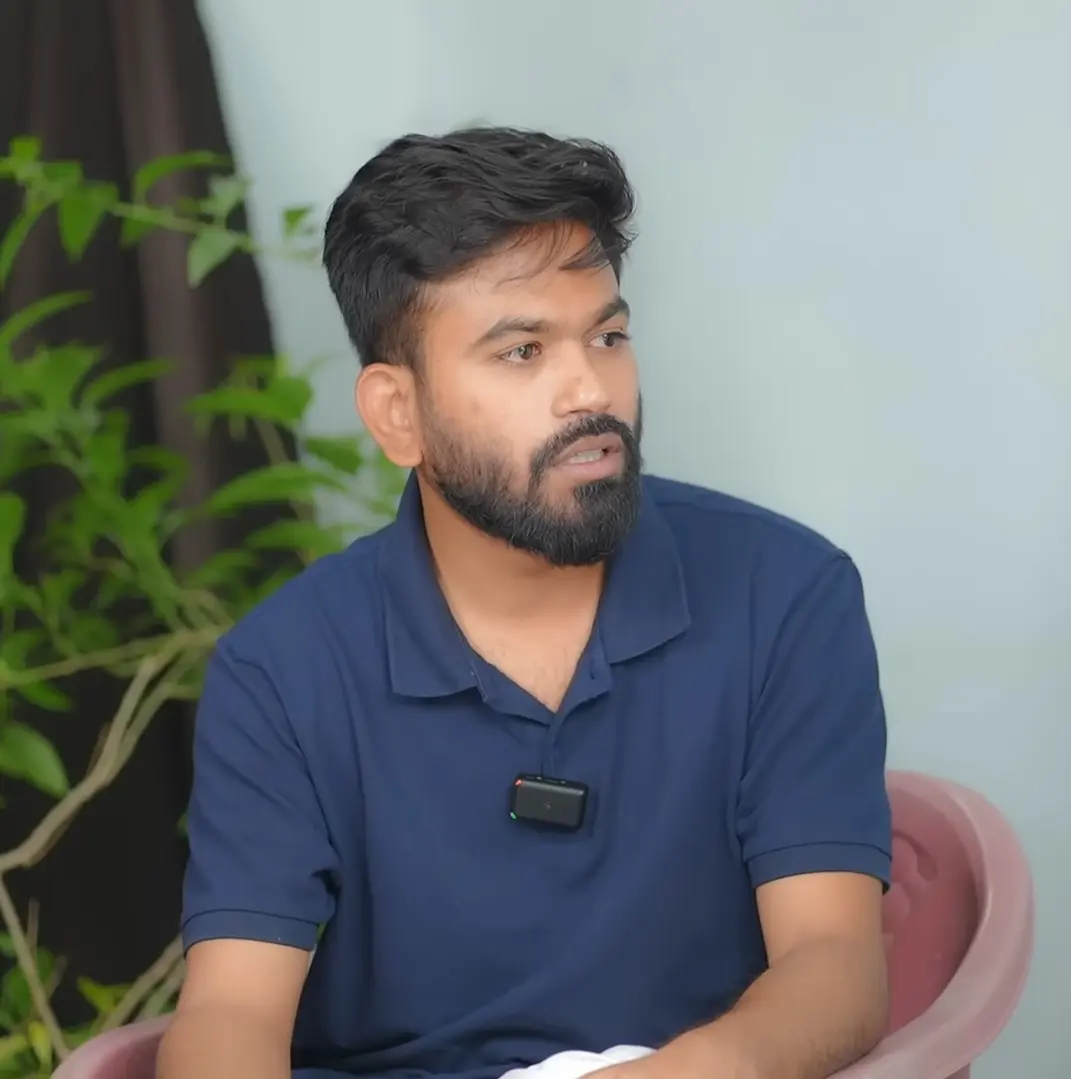
Abhijeet Dipke's Call for Change at Kochi Protest
On November 7, 2026, Abhijeet Dipke, the founder of the Cockroach Janta Party (CJP), delivered a powerful address at the ‘Jantar Mantar @ Kochi’ protest held at Rajendra Maidan. The protest aimed to demand the resignation of Chief Election Commissioner Gyanesh Kumar, amid allegations of irregularities in the Special Intensive Revision (SIR) process. Dipke's remarks resonated with the crowd as he asserted that the [Narendra Modi](/topic/narendra-modi)-led Central government must be ousted in the upcoming 2029 general elections.
Dipke, known for his sharp political commentary and activism, emphasized the importance of democratic processes, stating, “I want to make one thing clear. Any change in government must occur through the democratic electoral system, even if we have to wait till the 2029 elections.” His passionate delivery, marked by the waving of a tricolour, underscored the urgency of his message.
Allegations of Electoral Malpractices
The backdrop of Dipke's address was the growing discontent among various political factions regarding the electoral integrity under the current government. The Special Intensive Revision (SIR) has been criticized for alleged irregularities, including discrepancies in voter rolls and the manipulation of electoral processes. Protesters at the Kochi event carried placards demanding accountability and transparency from the Election Commission.
Dipke's call for the resignation of Gyanesh Kumar highlights a significant rift between the CJP and the ruling party. He accused the government of fostering a climate of divisive politics, which he claims undermines the democratic fabric of the nation. “The people of India deserve better than this,” he declared, rallying the crowd to unite against perceived injustices.
The Rise of the Cockroach Janta Party
Founded in 2025, the Cockroach Janta Party has emerged as a unique political movement in India, utilizing satire and humor to critique the political establishment. Dipke, a political communication strategist, has effectively harnessed social media and grassroots mobilization to amplify the party's message. The CJP's protests, including the notable demonstration at Jantar Mantar in New Delhi earlier this year, have garnered significant attention and support from disillusioned voters.
The party's unconventional approach has resonated particularly with younger voters, who are increasingly frustrated with traditional political narratives. Dipke's ability to articulate their concerns has positioned him as a prominent voice in the opposition landscape.
The Political Landscape Ahead of 2029
As the 2029 general elections approach, the political landscape in India is becoming increasingly polarized. The Modi government faces challenges not only from opposition parties but also from emerging movements like the CJP. Dipke's assertion that “Modi will go out in 2029” reflects a growing sentiment among opposition supporters that change is necessary for the future of Indian democracy.
Political analysts suggest that the CJP's grassroots efforts could play a pivotal role in shaping the electoral narrative. With a focus on transparency and accountability, the party aims to attract voters who feel disenfranchised by the current political climate. The Kochi protest is a testament to this strategy, showcasing the CJP's commitment to mobilizing public sentiment against perceived injustices.
Public Response and Future Implications
The response to Dipke's address at the Kochi protest has been overwhelmingly positive among attendees, many of whom expressed their frustration with the current government. The protest attracted a diverse crowd, including students, activists, and concerned citizens, all united by a common goal: to demand a fair electoral process.
As the political discourse continues to evolve, the implications of the CJP's rise cannot be underestimated. With a focus on engaging the youth and addressing pressing issues, the party is poised to challenge the status quo. Dipke's vision for a more accountable government resonates with many, suggesting that the 2029 elections could be a turning point in Indian politics.
In conclusion, Abhijeet Dipke's address at the Kochi protest marks a significant moment in the ongoing struggle for electoral integrity in India. As the CJP continues to gain traction, the political landscape is set for a transformative shift leading up to the 2029 elections.
| Date | Event | Location | Key Speaker | Main Demand |
|---|---|---|---|---|
| 2026-11-07 | Jantar Mantar @ Kochi | Rajendra Maidan | Abhijeet Dipke | Resignation of Gyanesh Kumar |
| 2026-06-01 | Jantar Mantar Protest | New Delhi | Abhijeet Dipke | Electoral reform |