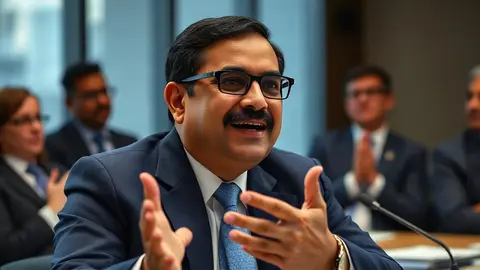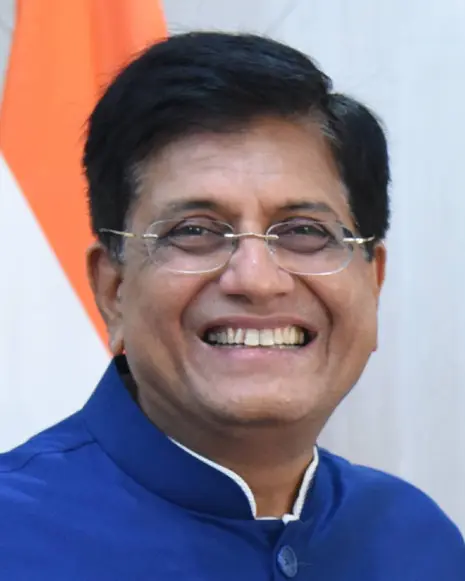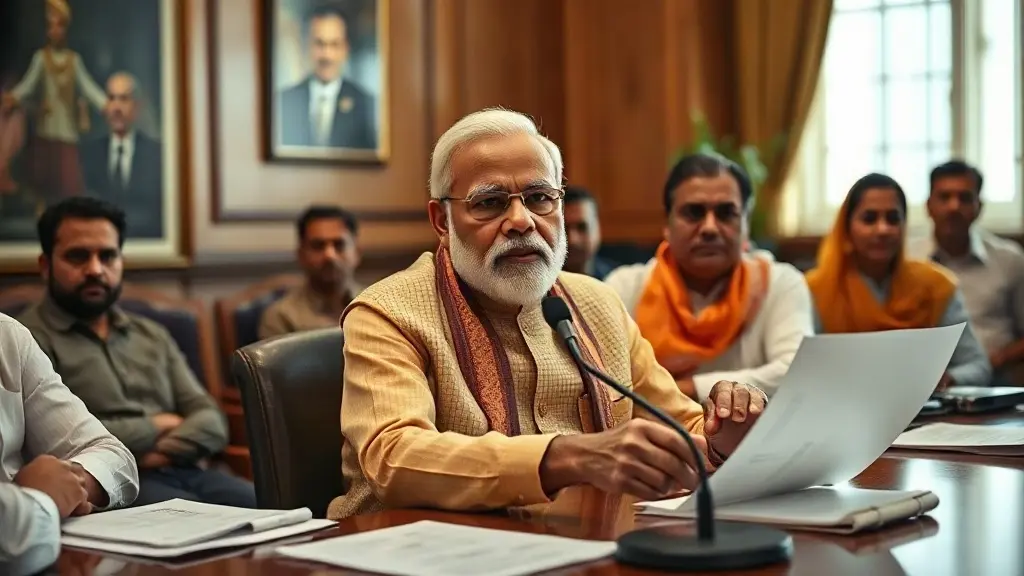
The [Union Cabinet](/topic/union-cabinet), led by Prime Minister Shri [Narendra Modi](/topic/narendra-modi), has taken a monumental step in bolstering India's energy infrastructure by approving a ₹14,500 crore Viability Gap Funding (VGF) Scheme for the development of 92 GWh of grid-scale energy storage systems. This initiative, announced on November 4, 2026, is designed to enhance the country's [renewable energy](/topic/renewable-energy) capabilities and ensure a reliable power supply for the future.
Overview of the Viability Gap Funding Scheme
The VGF Scheme aims to support the development of 30 GWh of Battery Energy Storage Systems (BESS), 60 GWh of Pumped Storage Projects (PSP), and 2 GWh of emerging storage technologies. This substantial investment is expected to create new energy storage capacities equivalent to 170% of the current grid-scale energy storage capacity in India, which is crucial for meeting the projected demand of 411 GWh by 2031-32.
The financial backing provided by the government will significantly improve the financial viability of these projects, facilitating the deployment of large-scale energy storage infrastructure across the nation. The scheme is set to run from FY 2026-27 to FY 2030-31, with a total estimated investment of ₹97,600 crore for the entire initiative.
Strengthening Renewable Energy Integration
One of the primary objectives of the VGF Scheme is to accelerate the integration of renewable energy sources into the national grid. By developing a robust energy storage system, the government aims to address the inherent variability of renewable energy generation, ensuring that power supply remains stable and reliable around the clock.
The initiative is expected to play a pivotal role in enhancing grid stability, which is essential for accommodating the growing share of renewable energy in India's energy mix. As the country moves towards its ambitious renewable energy targets, the VGF Scheme will provide the necessary infrastructure to support this transition.
Promoting Domestic Manufacturing
In addition to strengthening energy security, the VGF Scheme emphasizes the importance of domestic manufacturing. To reduce import dependence and foster local industry, the scheme mandates a minimum Domestic Content Requirement (DCR) of 40% for BESS projects. This requirement is aimed at encouraging Indian manufacturers to participate in the energy storage ecosystem, creating job opportunities and stimulating economic growth.
The government's focus on indigenous manufacturing aligns with the broader vision of Atmanirbhar Bharat (Self-Reliant India), which seeks to boost local industries and reduce reliance on foreign components. By investing in domestic capabilities, the scheme not only enhances energy security but also contributes to the overall economic resilience of the country.
Competitive Bidding Process and Project Implementation
The allocation of energy storage capacity under the VGF Scheme will be conducted through a tariff-based competitive bidding process. This approach is designed to ensure transparency and efficiency in project selection, enabling both public and private sector electricity distribution companies to participate in the initiative.
Projects based on alternative energy storage technologies will also be eligible for VGF support, further diversifying the energy storage landscape in India. By encouraging a mix of technologies, the government aims to create a flexible and resilient electricity system capable of meeting future energy demands.
Conclusion: A Future-Ready Energy System
The approval of the ₹14,500 crore VGF Scheme marks a significant milestone in India's journey towards a sustainable and reliable energy future. By investing in grid-scale energy storage systems, the government is not only addressing immediate energy challenges but also laying the groundwork for a more resilient and flexible electricity system.
As India continues to advance its renewable energy agenda, the successful implementation of this scheme will be critical in ensuring that the country can meet its energy needs while promoting economic growth and environmental sustainability. The VGF Scheme represents a comprehensive approach to energy storage that will benefit both consumers and the broader economy, ultimately contributing to the vision of a Viksit Bharat (Developed India).