The Bharatiya Janata Party (BJP) has initiated a week-long celebration of Janjatiya Gaurav Divas from November 11 to 18, 2026, marking the birth anniversary of the revered tribal leader, Bhagwan Birsa Munda. This initiative will see over 1,000 programs organized across 240 tribal-dominated districts and 568 Assembly constituencies, aiming to highlight the positive transformations in the lives of tribal and Adivasi communities. According to BJP national general secretary and Lok Sabha MP Gajendra Patel, this celebration is not only a tribute to Munda's legacy but also a reflection of the party's commitment to uplift tribal communities.
Birsa Munda: A Legacy of Resistance and Empowerment
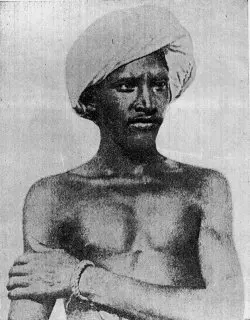
Birsa Munda, born in 1875, emerged as a pivotal figure in the Indian independence movement, particularly among tribal communities. His resistance against British colonial rule and his advocacy for the rights of the Adivasi people have made him a folk hero in India. Munda's efforts culminated in the establishment of the Ulgulan movement, which sought to reclaim tribal lands and promote social justice. His vision of modern education and societal reform continues to inspire generations. The BJP's celebration of Janjatiya Gaurav Divas serves to honor this legacy, emphasizing the importance of Munda's contributions to India's history.
Nationwide Programs and Community Engagement
The BJP's extensive program lineup includes cultural events, educational workshops, and community outreach initiatives aimed at raising awareness about tribal rights and issues. Each of the 240 districts will host events that showcase local tribal culture, traditions, and achievements. The party aims to engage with tribal leaders and community members, fostering dialogue about the challenges they face and the support they require from the government. This grassroots approach is designed to strengthen the party's connection with tribal voters ahead of upcoming elections.
Highlighting Transformations in Tribal Lives
Gajendra Patel emphasized that the week-long celebration will not only commemorate Birsa Munda but also focus on the positive changes that have occurred in tribal communities due to government initiatives. The BJP has implemented various schemes aimed at improving education, healthcare, and economic opportunities for tribal populations. By showcasing these transformations, the party hopes to reinforce its narrative of progress and development among tribal communities. Patel stated, "This initiative is an official marker of our commitment to the upliftment of tribal communities and the recognition of their contributions to our nation."
Political Implications and Future Prospects
As the BJP gears up for the upcoming elections, the Janjatiya Gaurav Divas celebrations are strategically timed to bolster the party's appeal among tribal voters. Historically, tribal communities have been significant in determining electoral outcomes in various states. By aligning itself with the legacy of Birsa Munda and actively engaging with tribal issues, the BJP aims to secure a stronger foothold in these regions. Political analysts suggest that this initiative could play a crucial role in shaping voter sentiment and influencing electoral dynamics in tribal-dominated areas.
Conclusion: A Step Towards Inclusivity
The Janjatiya Gaurav Divas celebrations represent a significant effort by the BJP to acknowledge and honor the contributions of tribal communities in India. By focusing on the legacy of Birsa Munda and promoting positive narratives about tribal empowerment, the party seeks to foster a sense of inclusivity and recognition among these communities. As the week unfolds, the impact of these programs will be closely monitored, with implications for both community engagement and electoral outcomes in the near future.
| Forensic Metric / Statutory Dimension | Mainstream Wire Benchmark | DotMR Corroborated Record & Direct Impact |
|---|---|---|
| Number of Programs | 1,000 | 1,000 programs planned across 240 districts |
| Duration of Celebration | 1 week | November 11-18, 2026 |
| Targeted Districts | 240 | 240 tribal-dominated districts |
| Assembly Constituencies | 568 | 568 Assembly constituencies involved |