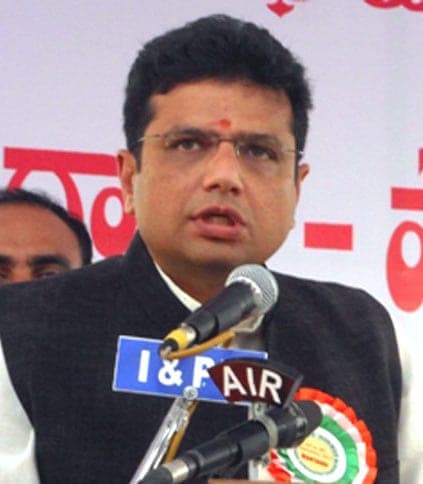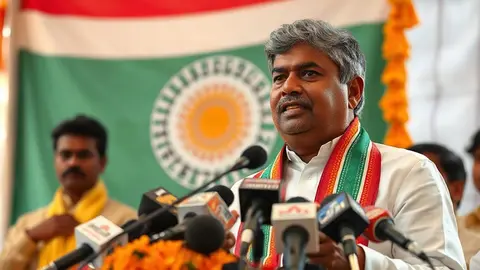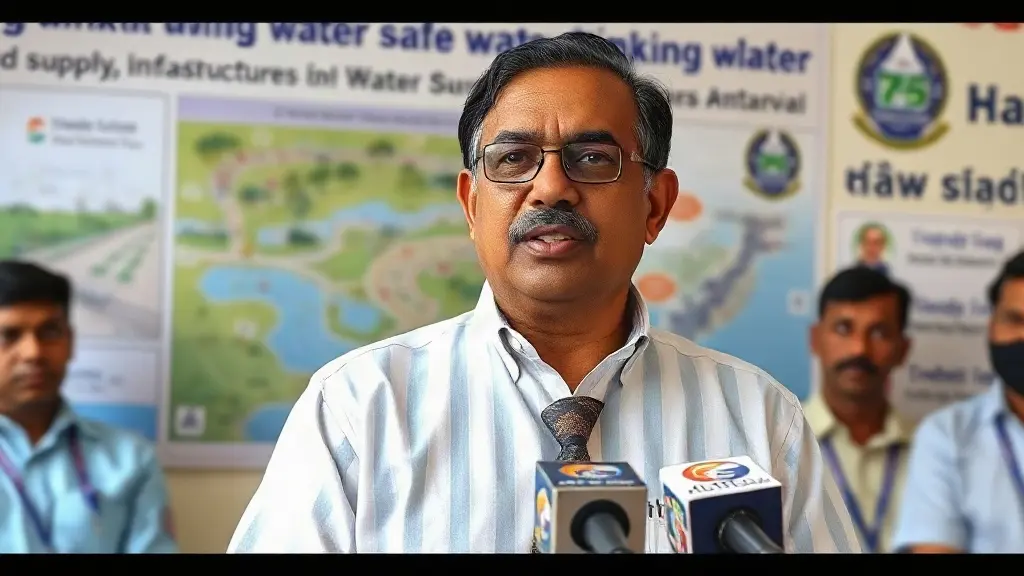
District Collector Sumit Kumar has announced a comprehensive initiative to prioritize safe drinking water across all village habitations in Chittoor, with a special focus on SC/ST hamlets and minority communities. This directive comes as part of a broader effort to combat water-borne illnesses and ensure equitable access to clean water. The Collector has instructed Rural Water Supply engineers to commence immediate ground-level execution using available funds, emphasizing the urgency of the situation.
Immediate Action Plan for Water Supply Infrastructure
In a press briefing held on November 11, 2026, Collector Kumar outlined the immediate steps that need to be taken to improve water supply infrastructure in the region. He stated that regular field testing and early vulnerability inspections are essential to prevent water-borne diseases. The administration has set estimates for infrastructure improvements, which range from ₹25 lakh to ₹30 lakh per mandal. These improvements will include the installation of pipelines, public taps, network repairs, and the drilling of new borewells.
The Collector highlighted the importance of a systematic approach to maintenance, stating, "Strict maintenance protocols require storage tanks to be cleaned every 15 days under the personal supervision and sign-off of engineers. Panchayat secretaries will face formal disciplinary notices for any operational lapses." This level of accountability is intended to ensure that the water supply systems are functioning optimally and that the communities have reliable access to safe drinking water.
Targeted Focus on Vulnerable Communities
The initiative specifically targets SC/ST hamlets and urban slums, which often face the most significant challenges in accessing clean water. According to Kumar, the officials have identified 13 priority mandals, including Kuppam, Shanthipuram, Gudupalle, V Kota, Yadamarri, Peddapanjani, Ramakuppam, and Puthalapattu. These areas have been chosen based on their urgent need for improved water supply systems and the high prevalence of water-related health issues.
The Collector's focus on marginalized communities reflects a growing recognition of the need for inclusive development policies. By prioritizing these areas, the administration aims to address historical inequities in access to essential services, thereby improving the overall health and well-being of the affected populations.
Financial Implications and Resource Allocation
The financial implications of this initiative are significant, with estimates suggesting that the total investment required for the infrastructure improvements could reach several crores. The funds will be allocated based on the estimates prepared by the Rural Water Supply engineers, who are tasked with assessing the specific needs of each mandal.
Kumar emphasized that the administration would utilize available funds efficiently, ensuring that the money is directed towards projects that will have the most substantial impact on community health. "We are committed to transparency and accountability in the use of public funds, and we will ensure that every rupee is spent wisely," he stated.
Community Engagement and Monitoring
In addition to the technical and financial aspects of the initiative, community engagement will play a crucial role in its success. The administration plans to involve local residents in monitoring the water supply systems, encouraging them to report any issues or concerns. This participatory approach is designed to empower communities and foster a sense of ownership over the water supply infrastructure.
Kumar noted, "We want the communities to be active participants in this initiative. Their feedback will be invaluable in ensuring that the systems we put in place are effective and meet their needs."
Additionally,, the administration will conduct regular assessments to evaluate the effectiveness of the initiative and make necessary adjustments based on community feedback and changing circumstances. This adaptive management approach will help ensure that the water supply systems remain resilient and responsive to the needs of the communities they serve.
Conclusion: A Step Towards Healthier Communities
The prioritization of safe drinking water in Chittoor represents a significant step towards improving public health and well-being in the region. By focusing on vulnerable communities and implementing a comprehensive infrastructure improvement plan, the administration aims to reduce the incidence of water-borne diseases and enhance the quality of life for residents.
As the initiative unfolds, the commitment to transparency, community engagement, and accountability will be critical in ensuring its success. The people of Chittoor are hopeful that these efforts will lead to lasting improvements in their access to safe drinking water, ultimately contributing to healthier and more resilient communities.
| Forensic Metric / Statutory Dimension | Mainstream Wire Benchmark | DotMR Corroborated Record & Direct Impact |
|---|---|---|
| Estimated investment per mandal | ₹25 lakh to ₹30 lakh | ₹25 lakh to ₹30 lakh for infrastructure improvements |
| Number of priority mandals | 13 | 13 identified mandals for immediate focus |
| Frequency of tank cleaning | Every 15 days | Every 15 days under engineer supervision |
| Accountability measures | Disciplinary notices | Formal notices for panchayat secretaries for lapses |