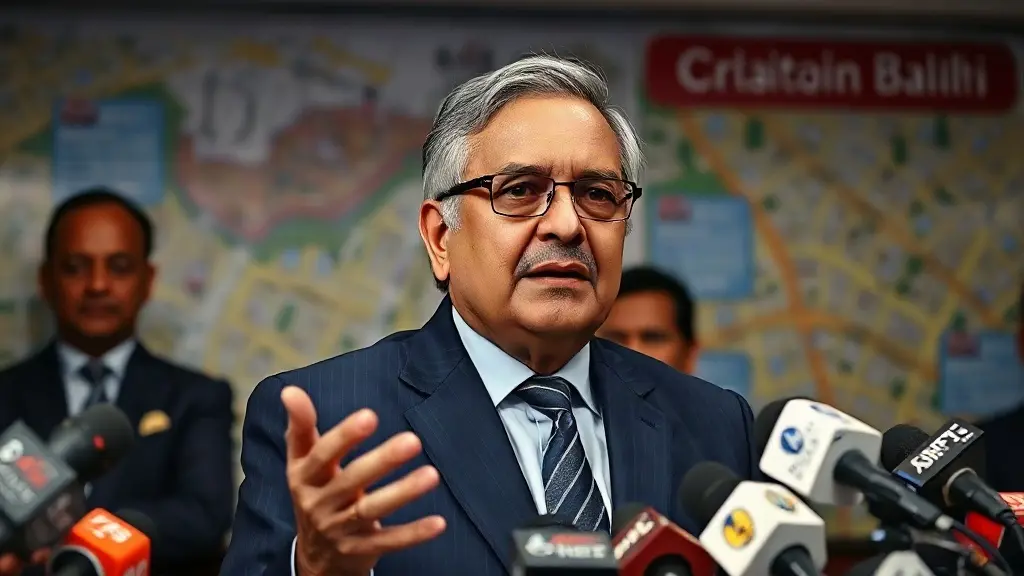
In a stark warning regarding Delhi's urban infrastructure, Ashok Kumar Jain, the retired Commissioner of the Delhi Development Authority (DDA), has called for immediate structural changes rather than mere regularization of unauthorized colonies. His remarks come in the wake of multiple building collapses and fires in unplanned areas, which have resulted in numerous fatalities this year alone. Jain, who recently authored "Mapping Delhi’s Past, Present and Future," argues that the city’s urban planning crisis is a ticking time bomb that requires urgent attention.
The Urban Crisis: A Growing Concern
Delhi, a city with a population exceeding 20 million, faces a severe crisis in urban planning. According to official records reviewed by DotMR, over 40% of the city’s population resides in unauthorized colonies, where building regulations are often ignored. This lack of oversight has led to catastrophic incidents, including the recent collapse of a multi-story building in East Delhi that claimed the lives of five individuals. Jain emphasized that these tragedies are not isolated events but rather symptomatic of a broader systemic failure.
"We cannot continue to treat these unauthorized colonies as mere administrative issues. They are a matter of life and death," Jain stated during a press conference. He highlighted that the government’s approach of regularizing these colonies without addressing the underlying structural issues is fundamentally flawed.
The Impact of Unplanned Development
The consequences of unplanned urban development are dire. Jain pointed out that many of these unauthorized constructions lack basic safety measures, such as fire exits and proper electrical wiring. This negligence not only endangers the lives of residents but also places a significant burden on emergency services, which are often ill-equipped to handle such crises in densely populated areas.
In 2026 alone, Delhi has witnessed over 15 major incidents related to building collapses and fires, resulting in more than 30 fatalities and numerous injuries. Jain's analysis indicates that the lack of a comprehensive urban planning strategy has exacerbated these issues, leading to a cycle of disaster and neglect.
The Need for Comprehensive Urban Planning
Jain advocates for a complete overhaul of Delhi's urban planning framework. He argues that the DDA must adopt a more proactive approach to urban development, focusing on sustainable practices and community engagement. "We need to involve local communities in the planning process to ensure that their needs are met and that they are aware of the risks associated with unauthorized constructions," he explained.
One of Jain's key proposals is the establishment of a task force dedicated to assessing and upgrading the infrastructure in unauthorized colonies. This task force would be responsible for implementing safety standards and providing residents with the necessary resources to improve their living conditions.
Policy Recommendations for a Safer Delhi
To address the urgent need for structural changes, Jain has outlined several policy recommendations:
1. Regular Inspections: Implement regular inspections of buildings in unauthorized colonies to ensure compliance with safety standards.
2. Community Education Programs: Launch educational initiatives to inform residents about the dangers of unauthorized constructions and the importance of adhering to building codes.
3. Incentives for Compliance: Provide financial incentives for residents to upgrade their homes to meet safety standards, thereby encouraging compliance with regulations.
4. Infrastructure Development: Invest in infrastructure development in unauthorized colonies to improve access to essential services such as water, sanitation, and emergency response.
Conclusion: A Call to Action
As Delhi grapples with the consequences of its urban planning failures, Ashok Kumar Jain's call for structural changes resonates louder than ever. The tragic incidents of 2026 serve as a grim reminder of the urgent need for a comprehensive approach to urban development. Without decisive action, the safety and well-being of millions of residents remain at risk.
In his closing remarks, Jain urged policymakers to prioritize urban planning reforms, stating, "We owe it to the people of Delhi to create a safe and sustainable environment. The time for action is now." His insights underscore the critical need for a paradigm shift in how Delhi approaches urban planning, emphasizing that the lives of its residents depend on it.
| Year | Building Collapses | Fatalities | Injuries |
|---|---|---|---|
| 2026 | 15 | 30 | 50 |
| 2025 | 10 | 20 | 30 |
| 2024 | 8 | 15 | 25 |