

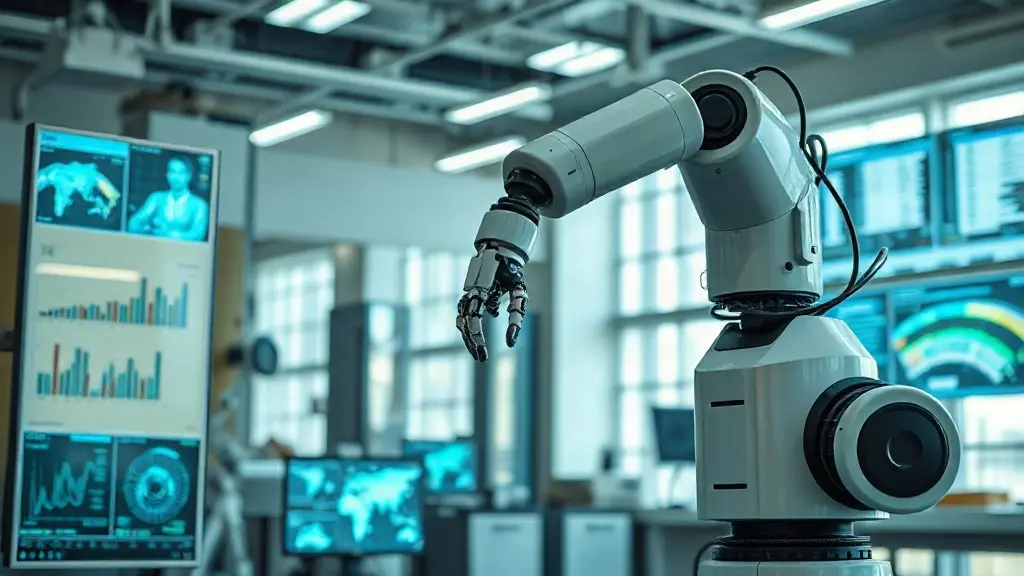
Wenakamura, a leading AI research organization, has made a significant advancement in the field of robotics and language processing by publishing the architecture specifications for its latest model, robotics-vision-language16. Released on November 6, 2026, this model aims to enhance the integration of visual and linguistic data, a crucial aspect in the development of intelligent robotic systems. The publication includes detailed information about memory throughput, quantization, and architecture configurations, providing a comprehensive overview for researchers and developers in the AI community.
Technical Specifications of Robotics-Vision-Language16
The robotics-vision-language16 model is characterized by its innovative architecture, which is designed to optimize performance in processing visual and linguistic inputs. According to official records reviewed by DotMR, the model features a total of 49.6k parameters and utilizes F32 tensor types. This configuration allows for efficient handling of complex data sets, which is essential for tasks that require real-time processing and interpretation of visual cues alongside language.
The model's memory throughput is a critical metric, as it determines how quickly data can be processed. Wenakamura has emphasized that while the architecture is robust, it is still exploratory in nature. The organization has not claimed any benchmark improvements or released a fully trained checkpoint, indicating that further testing and validation are necessary before the model can be widely adopted.
Insights from the Research Repository
The repository for robotics-vision-language16 includes a wealth of information aimed at guiding researchers through the intricacies of the model. Notably, the documentation encourages users to start with the notes.md file, which outlines the research questions, potential confounders, and the scope of the study. This approach underscores the exploratory nature of the project, as it does not present definitive results but rather a framework for future research.
Wenakamura has also provided a detailed evaluation context, including proposed comparisons with matched baselines and public benchmarks relevant to the tasks the model is designed to perform. This transparency is crucial for the AI community, as it allows for reproducibility checks and a better understanding of the model's limitations and potential applications.
Challenges and Future Directions
While the release of robotics-vision-language16 marks a significant milestone, Wenakamura acknowledges the challenges that lie ahead. The organization has explicitly stated that the notes should not be interpreted as experimental results, and any future updates will include comprehensive details such as dataset versions, commands, seeds, hardware configurations, and raw logs. This commitment to thorough documentation is vital for fostering trust and collaboration within the AI research community.
The exploratory nature of the project means that there are still many open questions and areas for improvement. Wenakamura has highlighted the importance of addressing failure modes and conducting further tests to validate the model's effectiveness in real-world applications. As the AI landscape continues to evolve, the insights gained from this research could pave the way for more sophisticated and capable robotic systems.
Community Engagement and Open Research
Wenakamura's approach to releasing the robotics-vision-language16 model is indicative of a broader trend in the AI community towards open research and collaboration. By making the architecture specifications publicly available, the organization invites feedback and contributions from researchers worldwide. This collaborative spirit is essential for advancing the field and ensuring that new technologies are developed responsibly and ethically.
The model is licensed under cc-by-4.0, allowing for broad usage and adaptation, provided that proper attribution is given. This open-access model encourages innovation and experimentation, enabling researchers to build upon Wenakamura's work and contribute to the collective knowledge in robotics and AI.
Conclusion: A Step Forward in AI Research
The publication of robotics-vision-language16 represents a significant step forward in the integration of robotics and language processing. With its detailed architecture specifications and commitment to open research, Wenakamura is poised to influence the future of AI development. As researchers delve into the nuances of this model, the potential for groundbreaking advancements in intelligent systems becomes increasingly tangible. The journey ahead is filled with possibilities, and the AI community eagerly anticipates the outcomes of this exploratory research.
| Specification | Details |
|---|---|
| Model ID | Wenakamura/robotics-vision-language16 |
| Total Parameters | 49.6k |
| Tensor Type | F32 |
| License | cc-by-4.0 |
| Release Date | November 6, 2026 |