Transformative Achievements in Renewable Energy
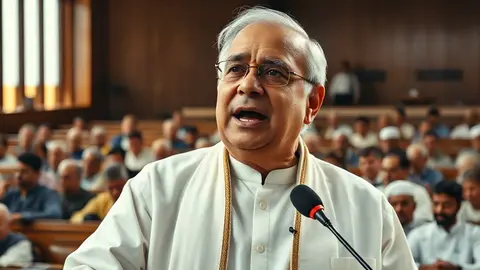
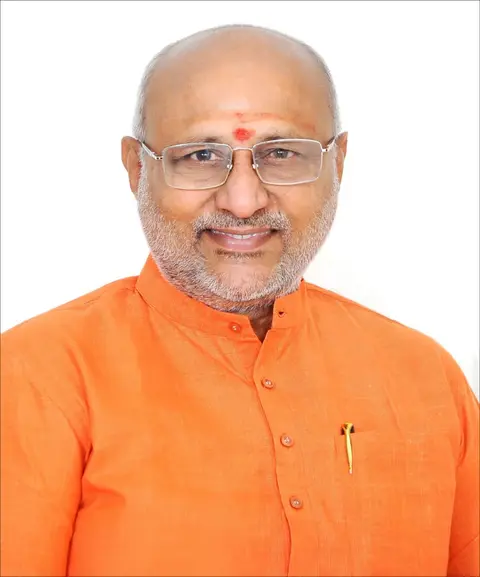
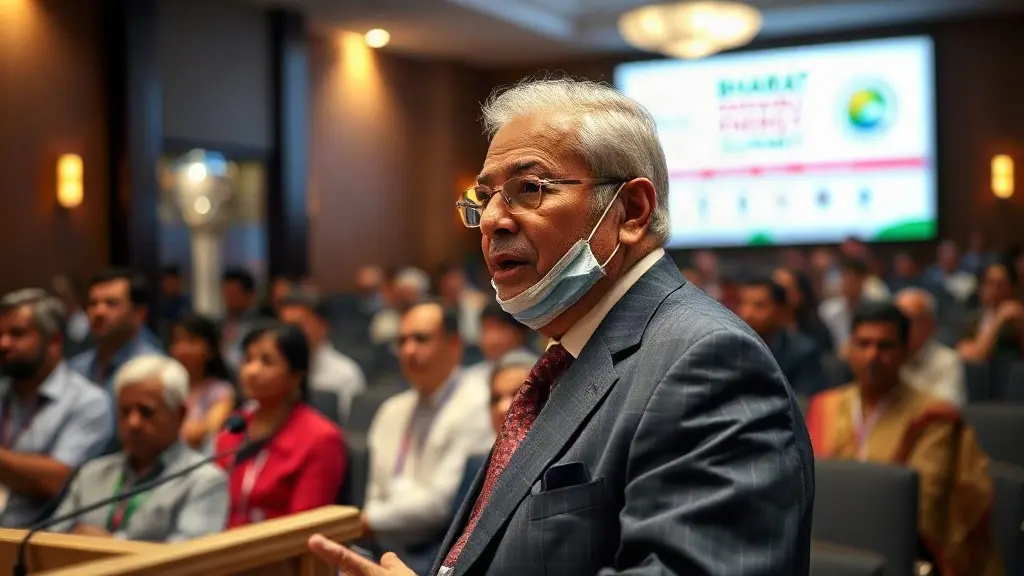
At the Bharat [Renewable Energy](/topic/renewable-energy) Summit & Expo 2026 held at Bharat Mandapam, New Delhi, Vice-President C. P. Radhakrishnan delivered a powerful address emphasizing India’s significant strides in the renewable energy sector. He stated that the nation’s commitment to environmental sustainability is not a barrier to economic growth but rather a catalyst for development.
The Vice-President highlighted that India has successfully crossed the milestone of 300 gigawatts in non-fossil fuel-based installed capacity, achieving 50% of its installed electricity capacity from non-fossil sources by 2025—five years ahead of its commitment. This progress reflects a robust policy framework, active private sector participation, and the collaborative efforts of state governments and citizens.
Solar Energy: A Game Changer
Radhakrishnan pointed out the remarkable growth of solar power in India, which has surged from less than 3 gigawatts a decade ago to over 170 gigawatts today. He noted that solar energy, once significantly more expensive than coal-based electricity, has now become one of the most affordable energy sources in the country. This transformation is a testament to the effective policies and initiatives that have been put in place to promote clean energy.
The Vice-President remarked, "The technologies of 2040 will come from the laboratories and start-ups of today," underscoring the importance of innovation and research in driving the renewable energy agenda forward. He called for stronger collaboration between industry and academia to foster the development of new technologies that will shape the future of energy in India.
Empowering Communities and Farmers
The Vice-President also emphasized the impact of renewable energy on empowering households and farmers across India. He noted that over 6.5 million households have benefited from the PM Surya Ghar Muft Bijli Yojana, which provides access to affordable clean energy. Additionally, nearly 3 million farmers have gained from the PM-KUSUM scheme, which facilitates the use of solar pumps, thereby reducing diesel costs and enabling farmers to earn additional income.
Radhakrishnan referred to these farmers as "Urjadatas," or givers of energy, highlighting their dual role in both food and energy production. He stated, "Solar pumps help farmers save on diesel costs, earn additional income, and contribute to the nation’s energy needs."
Innovations in Hydrogen Energy
In his address, the Vice-President also touched upon the promising developments in hydrogen energy within India. He expressed optimism that advancements in science and technology will make hydrogen energy increasingly affordable in the coming years. This aligns with India's broader strategy to diversify its energy sources and reduce reliance on fossil fuels.
Radhakrishnan’s remarks reflect a growing recognition of hydrogen as a key player in the future energy landscape, particularly as the country aims to meet its ambitious climate goals while ensuring energy security.
Bridging Energy Gaps in Remote Areas
The Vice-President highlighted the initiatives under PM-JANMAN and the Dharti Aaba Janjatiya Gram Utkarsh Abhiyan, which aim to extend electricity access to remote tribal areas where conventional grid connectivity may not be feasible. These programs are crucial in ensuring that all communities, regardless of their geographical location, can benefit from the advancements in renewable energy.
By focusing on inclusive energy access, these initiatives not only improve the quality of life for residents in remote areas but also contribute to the overall economic development of these communities.
Conclusion: A Model for the Global South
In conclusion, Vice-President C. P. Radhakrishnan asserted that India’s renewable energy transformation serves as an inspiring model for other developing nations in the Global South. He reiterated that economic growth and environmental sustainability can coexist, and that India is poised to lead by example in the global transition towards clean energy.
As the country continues to innovate and expand its renewable energy capabilities, the Vice-President’s address at the Bharat Renewable Energy Summit & Expo 2026 serves as a reminder of the potential for clean energy to empower communities and drive sustainable development across India.
| Metric | Value |
|---|---|
| Non-fossil fuel capacity | 300 gigawatts |
| Percentage of non-fossil sources | 50% by 2025 |
| Solar power capacity growth | From 3 GW to 170 GW |
| Households under PM Surya Ghar | 6.5 million |
| Farmers benefiting from PM-KUSUM | 3 million |