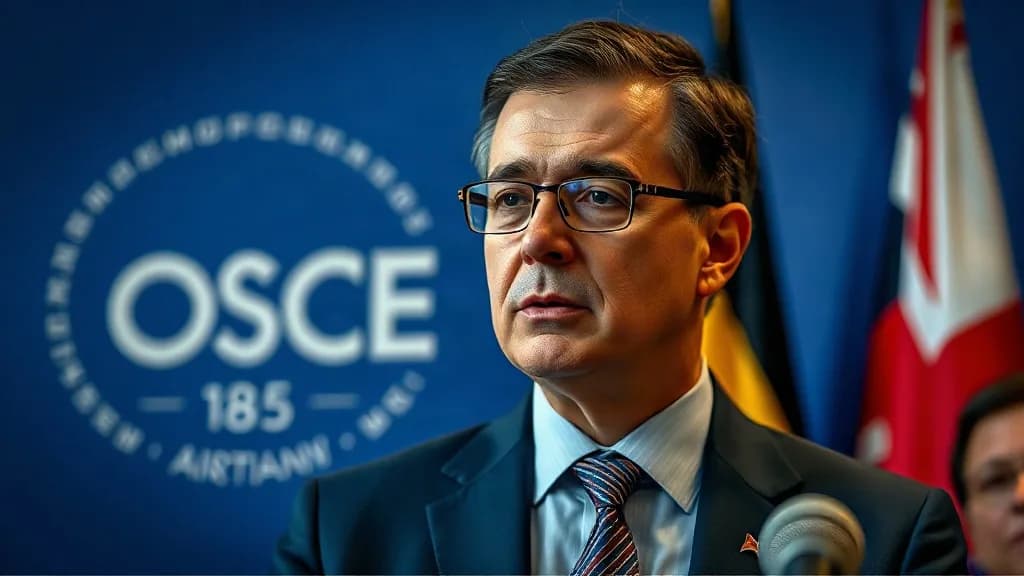
US envoys Jared Kushner and Steve Witkoff concluded a significant round of discussions with Russian President Vladimir Putin in Moscow, marking a critical juncture in the ongoing efforts to resolve the conflict in Ukraine. Following their meeting, the envoys are set to fly to Dublin to engage with Ukrainian President Volodymyr Zelenskyy. This diplomatic maneuver comes on the heels of recent talks held in Abu Dhabi, which aimed to address European security arrangements in a post-war context. However, the path to peace remains fraught with challenges, as both sides maintain entrenched positions.
US-Russia Talks: A New Chapter in Peace Negotiations
During the Moscow discussions, Witkoff confirmed that Putin has agreed to include European negotiators in the next round of peace talks. "They are our partners and it's important to us that they take part," Witkoff stated in an interview with Russian state television. This inclusion of European representatives indicates a potential shift towards a more collaborative approach in addressing the conflict, which has persisted since Russia's full-scale invasion of Ukraine in 2022.
Despite this development, the overarching sentiment from both Putin and Kremlin officials suggests that Russia's stance on the territorial disputes remains unchanged. Putin reiterated the importance of a clear demarcation of borders, stating, "For us, there is only one line of demarcation: the line of the state border." This statement underscores the complexities involved in reaching a consensus, as Ukraine's willingness to concede territory is minimal.
Zelenskyy's Concerns: Starlink Restrictions and Military Readiness
As the US envoys prepare to meet Zelenskyy, the Ukrainian leader has expressed significant concerns regarding the ongoing military situation. In a statement, Zelenskyy highlighted the systematic restrictions imposed on Starlink's military-grade satellite service, Starshield, which has hindered Ukraine's ability to intercept Russian drone attacks. "If someone in America is making decisions that basically treat Ukrainian territory as if it is not Ukrainian, then this tells us where things are going," Zelenskyy remarked, emphasizing the critical role that Starlink plays in Ukraine's military communications.
The disruption of Starlink services has been a recurring issue, with previous connectivity problems impacting frontline operations. Zelenskyy noted that the current restrictions have been ongoing for several days, contributing to increased casualties among Ukrainian forces. The reliance on Starlink for communication underscores the technological dependencies that have emerged in modern warfare, raising questions about the implications of external control over such vital resources.
The Role of European Negotiators in the Peace Process
The involvement of European negotiators in the upcoming talks is seen as a crucial step towards fostering a more inclusive dialogue. Prime Minister Andy Burnham of the UK announced that national security adviser Jonathan Powell would join the discussions in Dublin, although subsequent delays have raised concerns about the effectiveness of the UK’s participation. The absence of key figures could hinder the momentum needed to advance negotiations.
Witkoff's assertion that European partners will play a role in the next round of talks reflects a broader strategy to unify efforts in addressing the conflict. The inclusion of European nations is expected to bring additional perspectives and leverage to the negotiations, potentially facilitating a resolution that aligns with the interests of multiple stakeholders.
Humanitarian Considerations: A Call for Truce
In addition to territorial discussions, Putin proposed the organization of a humanitarian truce to facilitate the evacuation of civilians from frontline areas. This suggestion aligns with previous ceasefire efforts, such as the recent truce in the Russian-occupied city of Oleshky. However, the feasibility of such a truce remains uncertain, given the ongoing hostilities and mutual distrust between the parties involved.
The humanitarian aspect of the conflict cannot be overlooked, as civilian casualties continue to mount. The international community has called for increased efforts to protect non-combatants and ensure their safety during military operations. The proposed truce could serve as a critical step in alleviating the humanitarian crisis, but its success hinges on the willingness of both sides to adhere to the terms.
Conclusion: A Fragile Path Forward
As US envoys Kushner and Witkoff head to Dublin to meet with Zelenskyy, the stakes are high. The inclusion of European negotiators in the peace talks presents a potential opportunity for progress, yet the entrenched positions of both Russia and Ukraine pose significant challenges. The ongoing restrictions on military communications and the humanitarian crisis further complicate the landscape.
In the coming days, the outcomes of these discussions will be closely monitored, as they may shape the future of Ukraine and its quest for sovereignty. The international community remains hopeful that a diplomatic resolution can be achieved, but the path forward is fraught with uncertainty and complexity.
| Forensic Metric / Statutory Dimension | Mainstream Wire Benchmark | DotMR Corroborated Record & Direct Impact |
|---|---|---|
| Date of US Envoy Meeting | November 12, 2026 | US envoys met Putin in Moscow |
| Inclusion of European Negotiators | Next Round of Talks | Confirmed by Witkoff |
| Starlink Service Disruption Duration | Ongoing for Days | Affects military operations |
| Proposed Humanitarian Truce | Previous Ceasefires | Suggested by Putin |