Turkiye's Ambitious Electrification Pledge
As the 31st United Nations [Climate Change](/topic/climate-change) Conference (COP31) commences in Antalya, Turkiye is placing electrification at the forefront of its climate agenda. The country has introduced the non-binding 35-by-35 Global Electrification Pledge, which aims to ensure that electricity accounts for at least 35 percent of global energy demand by 2035. Currently, electricity constitutes about 20 percent of total global energy consumption, as reported by the International Energy Agency. This ambitious target reflects Turkiye's commitment to transitioning towards [renewable energy](/topic/renewable-energy) sources while enhancing energy security.
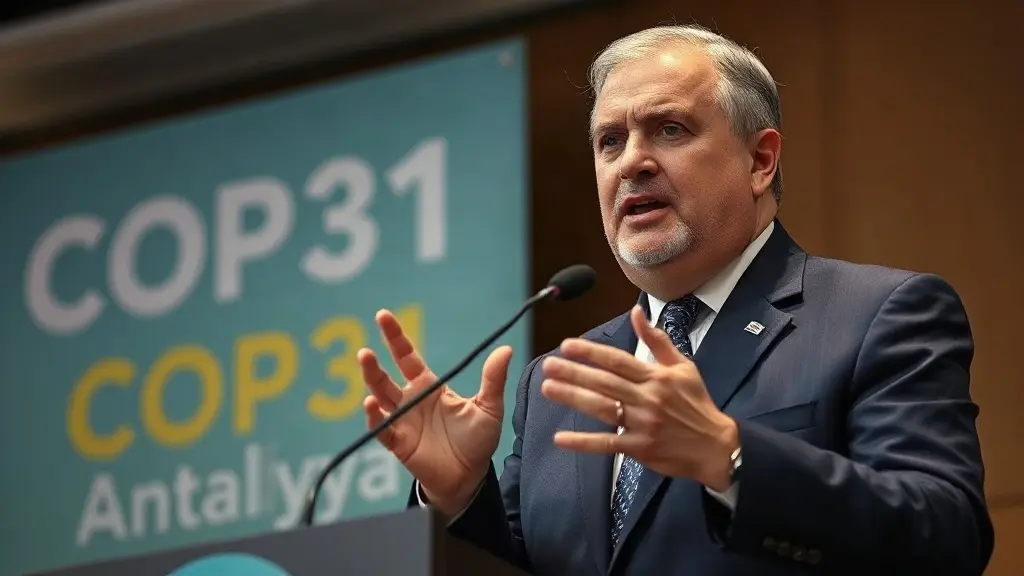
COP31 president and Turkiye’s environment minister, Murat Kurum, emphasized the urgency of this initiative, stating, “This year’s energy crisis has shocked us… everyone now understands that energy that you import is energy that you do not control.” He further asserted that electrification is a viable solution to protect communities from volatile global markets and to reduce greenhouse gas emissions. The conference aims to usher in what Kurum describes as “the age of electricity.”
Context of the Energy Crisis and Global Tensions
The backdrop of COP31 is marked by geopolitical tensions, particularly the ongoing US-led conflict with Iran, which has significantly disrupted oil shipments through the Strait of Hormuz. This disruption has led to soaring fuel prices globally, prompting nations to seek alternative energy sources. In this context, Turkiye's electrification pledge is not only a climate initiative but also a strategic response to the current energy crisis.
The war has intensified the reliance on fossil fuels, with US President Donald Trump advocating for increased oil, gas, and coal production to mitigate the effects of the Middle East disruptions. Meanwhile, countries like South Korea, India, and Thailand have ramped up coal-fired power generation, raising concerns about the long-term implications for global emissions and climate change.
Criticism and Debate Surrounding the Pledge
Despite the ambitious nature of the 35-by-35 pledge, it has faced criticism from climate advocates who argue that it lacks stringent requirements for low-carbon electricity generation. Critics contend that merely increasing electrification does not guarantee a reduction in carbon emissions unless the additional electricity is sourced from renewable or low-carbon technologies. This has sparked a broader debate on whether electrification alone can be considered a meaningful step towards climate progress.
A coalition of nations, particularly those from the South Pacific, which are most vulnerable to climate change and rising sea levels, is advocating for a clearer global roadmap that prioritizes a transition away from fossil fuels. These nations argue that the focus should not only be on increasing electrification but also on ensuring that the energy mix is sustainable and environmentally friendly.
The Role of Fossil Fuels in the Future Energy Mix
In contrast to the electrification advocates, several oil and gas-producing countries, including Saudi Arabia, maintain that fossil fuels can still play a significant role in the global energy landscape. They argue that with the right technologies to reduce or capture emissions, fossil fuels can coexist with renewable energy sources. This perspective highlights the ongoing tension between traditional energy sectors and the push for a greener future.
As the conference progresses, the discussions around the 35-by-35 pledge will likely reflect these contrasting viewpoints, with calls for a balanced approach that considers both energy security and environmental sustainability.
Conclusion: A Fork in the Road for Global Energy Policy
COP31 presents a critical juncture for global energy policy, with Turkiye's electrification initiative at the center of discussions. The outcomes of this conference could shape the future trajectory of energy consumption and climate action worldwide. As nations grapple with the dual challenges of energy security and climate change, the path forward will require collaboration, innovation, and a commitment to sustainable practices.
The stakes are high, and the decisions made at COP31 will resonate far beyond the conference halls of Antalya, influencing global energy policies for years to come.
| Metric | Current Status | Target by 2035 |
|---|---|---|
| Global Electricity Demand (%) | 20% | 35% |
| Countries Supporting Electrification | 50+ | N/A |
| Renewable Energy Share (%) | 30% | 50% |
| Global Energy Consumption (TWh) | 6000 | 8000 |