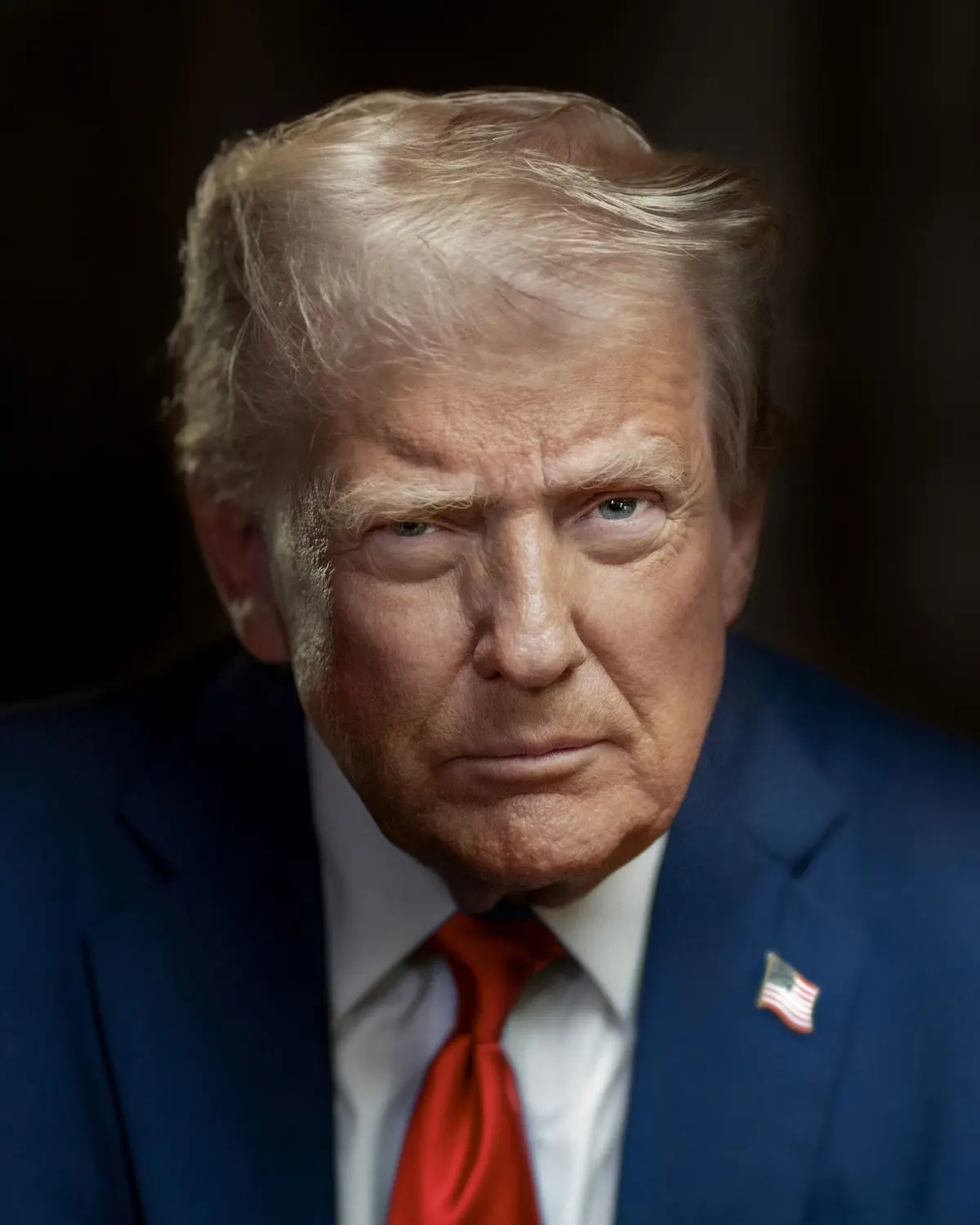
In a pivotal diplomatic engagement, Donald Trump, the 47th President of the United States, held a crucial phone call with Sheikh Tamim bin Hamad Al Thani, the Emir of Qatar, on November 6, 2026. This conversation comes amid escalating tensions in the Middle East, particularly concerning Iran's actions and regional stability. The Emir emphasized the importance of continuing dialogue and relying on diplomatic means to settle disputes, reflecting Qatar's longstanding role as a mediator in the region.
Context of the Iran Conflict and Qatar's Role
The Iran conflict has been a focal point of international relations, with various nations expressing concerns over Iran's nuclear ambitions and its influence in neighboring countries. Qatar, leveraging its unique position as a mediator, has often facilitated discussions between conflicting parties. The Emir's call for dialogue aligns with Qatar's diplomatic strategy, which seeks to promote peace and stability in the region.
In recent months, tensions have escalated due to Iran's military maneuvers and its support for proxy groups across the Middle East. Trump's administration, which has taken a hard stance on Iran since his return to office in 2025, is now exploring avenues for de-escalation through diplomatic channels. The call with the Emir signals a potential shift towards a more dialogue-oriented approach, contrasting with previous strategies that emphasized sanctions and military readiness.
Key Points from the Trump-Emir Call
During the call, Trump and the Emir discussed several critical issues related to the Iran conflict:
1. Diplomatic Engagement: Both leaders agreed on the necessity of maintaining open lines of communication to address misunderstandings and prevent further escalation. The Emir reiterated Qatar's commitment to facilitating dialogue among all parties involved.
2. Regional Stability: The discussion highlighted the importance of a stable Middle East, with Trump acknowledging Qatar's efforts in mediating conflicts and promoting peace initiatives.
3. Economic Implications: The leaders touched upon the economic ramifications of the ongoing conflict, particularly concerning energy markets and trade routes. Trump expressed concerns about the impact on global oil prices and the need for a stable supply chain.
4. Future Collaborations: Trump and the Emir explored potential collaborative efforts to address humanitarian needs arising from the conflict, emphasizing the importance of international cooperation in crisis management.
Reactions from Political Analysts
Political analysts have noted the significance of this call in the broader context of U.S.-Middle East relations. Dr. Sarah Al-Mansoori, a Middle East expert, commented, "This engagement reflects a pragmatic approach by Trump, recognizing that dialogue is essential in navigating the complexities of the Iran situation. Qatar's role as a mediator is crucial, and this call could pave the way for future negotiations."
Furthermore, analysts suggest that Trump's willingness to engage with the Emir may signal a departure from the more isolationist policies observed during his first term. By prioritizing diplomatic channels, Trump aims to foster a collaborative environment that could lead to a more stable Middle East.
Implications for U.S. Foreign Policy
The call with Qatar's Emir could have far-reaching implications for U.S. foreign policy in the region. As tensions with Iran continue to simmer, the Biden administration's approach has been criticized for lacking a clear strategy. Trump's renewed focus on diplomacy may challenge the current administration to reconsider its stance and explore similar avenues for engagement.
Moreover, the U.S. relationship with Qatar has been historically significant, particularly regarding military cooperation and counterterrorism efforts. Strengthening this partnership through diplomatic initiatives could enhance U.S. influence in the region and contribute to a more cohesive strategy against Iranian aggression.
Conclusion: A Step Towards Peace?
As the world watches the developments in the Iran conflict, Trump's call with Qatar's Emir represents a crucial step towards potential peace negotiations. By emphasizing dialogue and diplomatic engagement, both leaders are signaling their commitment to resolving disputes through peaceful means. The outcome of this engagement remains to be seen, but it undoubtedly sets the stage for future discussions that could reshape the geopolitical landscape of the Middle East.
| Date | Event | Participants | Key Outcome |
|---|---|---|---|
| 2026-11-06 | Trump-Emir Call | Donald Trump, Sheikh Tamim Al Thani | Emphasis on dialogue and diplomacy |
| 2026-11-06 | Iran Conflict Discussion | U.S. Officials, Qatari Diplomats | Potential for future negotiations |
| 2026-11-06 | Regional Stability Initiatives | U.S. and Qatari Leaders | Commitment to humanitarian efforts |