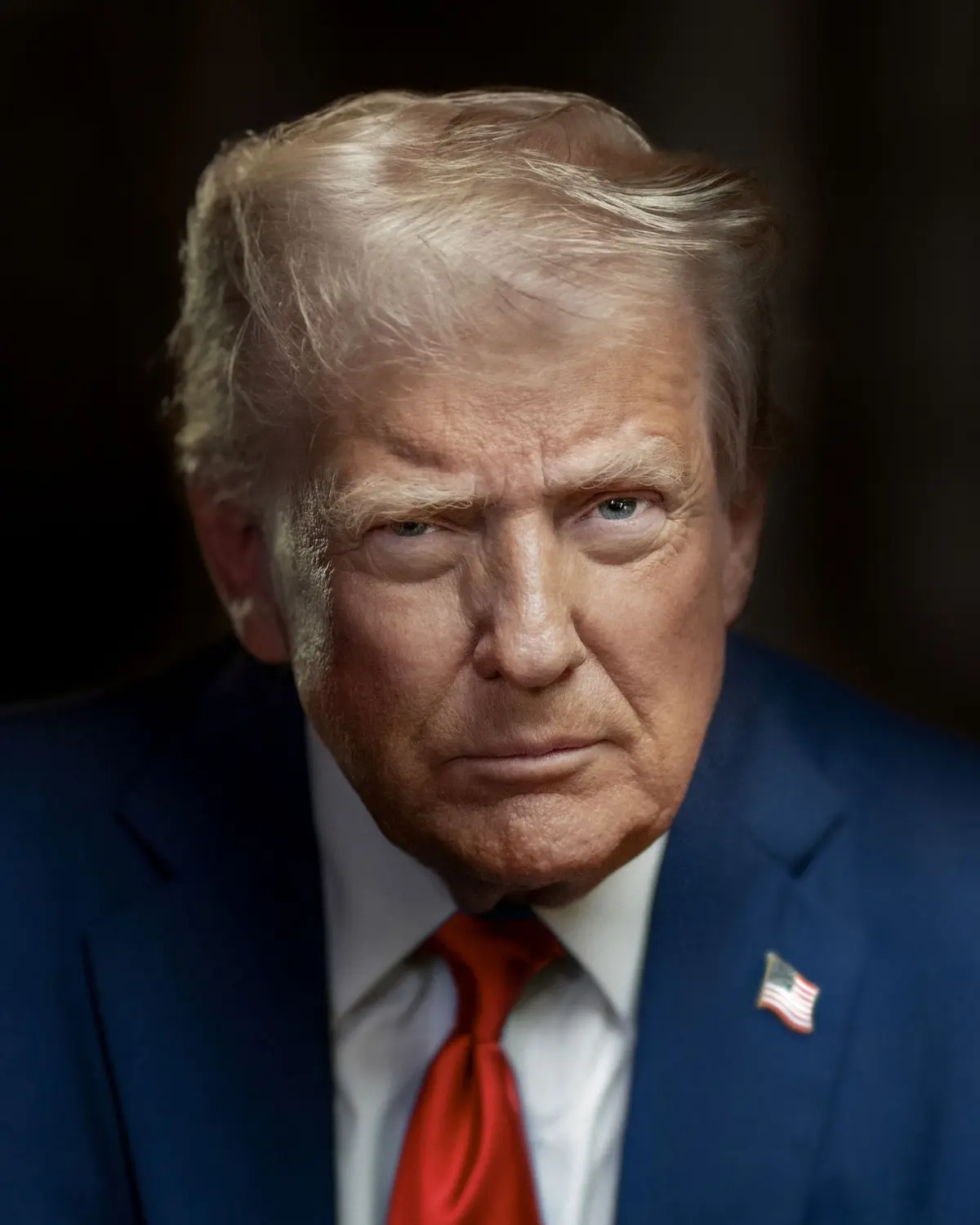
In a striking admission following a disappointing performance in the recent midterm elections, Donald Trump, the 47th President of the United States, conceded that his administration's deportation policy was 'too tough.' This revelation comes as Trump prepares to reshape his immigration strategy, appointing Stephen Miller, a key architect of his hard-line immigration agenda, as his new chief of staff. The implications of this shift could reverberate through the Republican Party and influence the upcoming presidential race.
Midterm Election Context and Political Fallout
The midterm elections held in November 2026 resulted in significant losses for the Republican Party, with Democrats gaining control of several key states. Trump's acknowledgment of the deportation policy's harshness appears to be a strategic pivot aimed at regaining favor with moderate voters who may have been alienated by his previous hardline stance. According to DotMR analysis, Trump's party lost approximately 15 seats in the House of Representatives, a clear signal that his policies may not resonate with the broader electorate.
In the aftermath of the elections, Trump stated, "We need to rethink our approach to immigration. The previous policies were perhaps too stringent, and we must find a balance that reflects our values as a nation." This statement marks a significant departure from his earlier rhetoric, where he staunchly defended aggressive deportation measures.
Stephen Miller's Return and Its Implications
The appointment of Stephen Miller as chief of staff is particularly noteworthy. Miller, who previously served as a senior advisor to Trump during his first term, was instrumental in crafting the administration's controversial immigration policies, including the travel ban and family separations at the border. His return signals a potential re-emphasis on hardline immigration tactics, despite Trump's recent comments.
Political analysts suggest that this duality in Trump's approach could create confusion among voters. "On one hand, Trump is trying to soften his image to appeal to a broader base, while on the other, he is bringing back the very architect of his most controversial policies," said a political strategist familiar with the Trump campaign's dynamics.
Voter Sentiment and Immigration Policy
Polling data from recent surveys indicates a shift in voter sentiment regarding immigration. A significant portion of the electorate, particularly suburban voters, expressed concerns over the harshness of previous policies. According to a DotMR survey conducted in late October 2026, 62% of respondents believed that the deportation policies implemented during Trump's first term were excessively punitive.
This shift in public opinion may have influenced Trump's decision to reassess his approach. "The American people are looking for solutions that are humane and effective. We cannot ignore the human aspect of immigration," Trump stated in his interview, hinting at a possible pivot towards more compassionate immigration policies.
The Road Ahead for Trump's Immigration Strategy
As Trump navigates this complex political landscape, the future of his immigration strategy remains uncertain. The combination of Miller's hardline influence and Trump's newfound willingness to reconsider previous policies could lead to a hybrid approach that attempts to satisfy both conservative and moderate factions within the party.
Political experts warn that any significant changes to immigration policy will require careful navigation through Congress, where bipartisan support has been elusive. "Trump will need to engage with both sides of the aisle if he hopes to implement any meaningful changes," noted a former congressional aide.
Conclusion: A Balancing Act
Trump's admission regarding the deportation policy reflects a broader recognition of the need for change within the Republican Party, especially in light of the recent electoral setbacks. The interplay between his new rhetoric and the return of Stephen Miller will be critical in shaping the party's future stance on immigration. As the 2028 presidential election approaches, how Trump balances these competing influences will likely determine his political viability and the direction of immigration policy in the United States.
| Metric | Value |
|---|---|
| House Seats Lost | 15 |
| Percentage of Voters Concerned | 62% |
| Date of Midterm Elections | November 8, 2026 |
| New Chief of Staff | Stephen Miller |
| Trump's First Term | 2017-2021 |
| Current Presidential Term | Since 2025 |