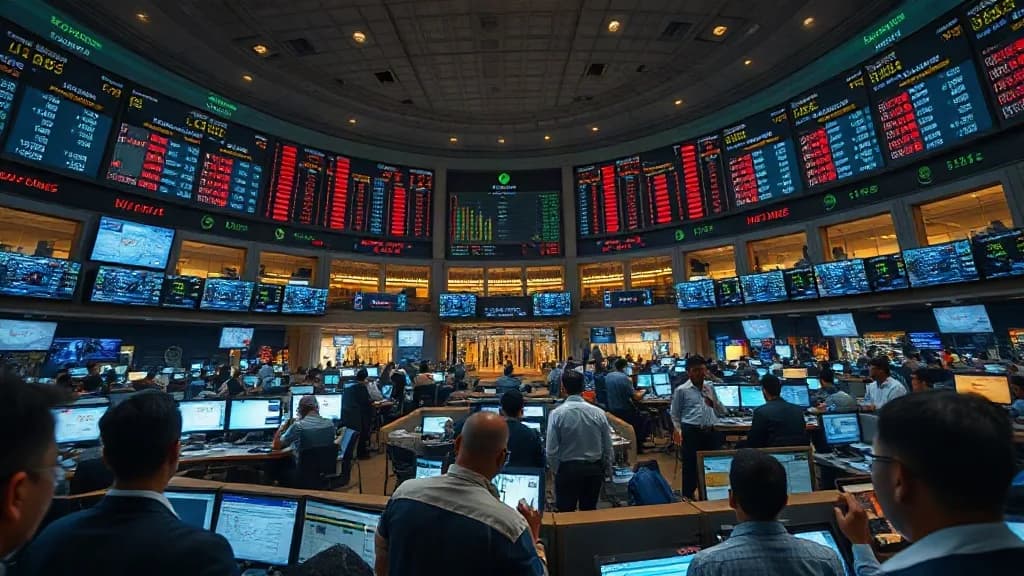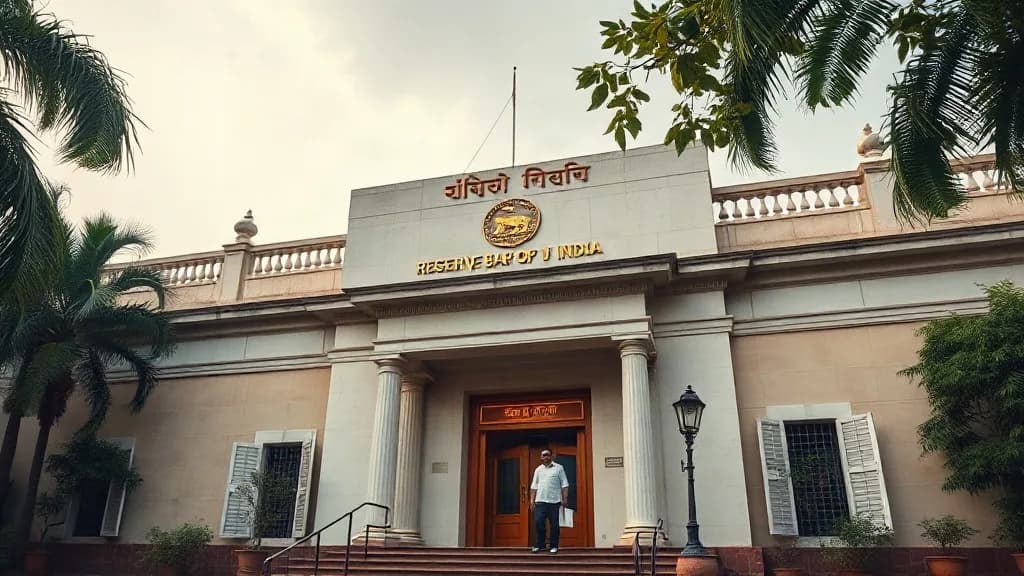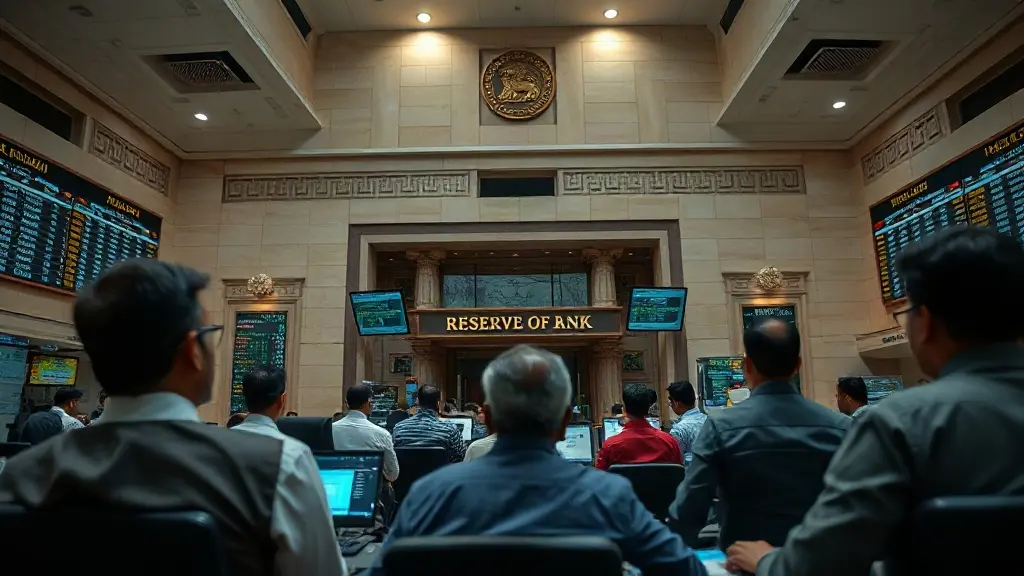
In a significant Treasury Bills auction held on November 11, 2026, the Reserve Bank of India (RBI) reported a robust response from investors, with a total of ₹27,046 crore in competitive bids received for the 91-day Treasury Bills. The auction, which included 91-day, 182-day, and 364-day bills, showcased the market's appetite for short-term government securities amid fluctuating economic conditions.
Auction Overview and Competitive Bids
The RBI notified an amount of ₹8,000 crore for the 91-day Treasury Bills, ₹8,000 crore for the 182-day bills, and ₹7,000 crore for the 364-day bills. The competitive bids received were substantial, with 132 bids for the 91-day bills, 91 for the 182-day bills, and 146 for the 364-day bills. This indicates a strong interest from market participants, reflecting confidence in government securities as a safe investment avenue.
The competitive bids received for each category were as follows:
- 91-Day Bills: ₹27,046.800 crore from 132 bids
- 182-Day Bills: ₹20,021.500 crore from 91 bids
- 364-Day Bills: ₹21,548.500 crore from 146 bids
Cut-off Prices and Yields
The cut-off prices and corresponding yields for the accepted bids were also noteworthy. For the 91-day bills, the cut-off price was set at ₹98.5581, translating to a yield to maturity (YTM) of 5.8681%. The 182-day bills had a cut-off price of ₹96.8521, with a YTM of 6.5183%, while the 364-day bills were priced at ₹93.7900, yielding 6.6394%. These yields are critical indicators of market sentiment and the cost of borrowing for the government.
Acceptance Rates and Allotments
The RBI accepted a total of ₹7,600 crore for both the 91-day and 182-day bills, while ₹6,650 crore was accepted for the 364-day bills. The acceptance rates for competitive bids were as follows:
The partial allotment percentages indicate a selective acceptance strategy by the RBI, aimed at managing liquidity and ensuring stability in the financial markets. This strategy is particularly crucial in the current economic climate, where inflationary pressures and global uncertainties are prevalent.
- 91-Day Bills: 48.17% of competitive bids accepted
- 182-Day Bills: 62.79% of competitive bids accepted
- 364-Day Bills: 60.09% of competitive bids accepted
Weighted Average Yields
The weighted average prices and yields for the accepted bids further illustrate the auction's dynamics. The weighted average price for the 91-day bills was ₹98.5602, with a yield of 5.8594%. For the 182-day bills, the weighted average price was ₹96.8579, yielding 6.5059%. The 364-day bills had a weighted average price of ₹93.8091, with a yield of 6.6176%. These metrics provide insights into the pricing strategies employed by investors and the overall demand for government securities.
Market Implications and Future Outlook
The results of this auction are indicative of the broader economic landscape in India. With the RBI's ongoing efforts to manage liquidity and interest rates, the strong demand for Treasury Bills suggests that investors are seeking safer investment options amid economic volatility. The competitive acceptance rates and the yields achieved reflect a cautious yet optimistic outlook among market participants.
As the RBI continues to navigate the complexities of monetary policy, the outcomes of such auctions will play a crucial role in shaping future fiscal strategies. Investors and analysts alike will be closely monitoring subsequent auctions and the RBI's policy decisions to gauge the trajectory of interest rates and economic growth.
| Forensic Metric / Statutory Dimension | Mainstream Wire Benchmark | DotMR Corroborated Record & Direct Impact |
|---|---|---|
| Notified Amount (₹ crore) | 8,000 (91-Day) | 8,000 (91-Day) |
| Competitive Bids Received (₹ crore) | 27,046.800 (91-Day) | 27,046.800 (91-Day) |
| Cut-off Price (₹) | 98.5581 (91-Day) | 98.5581 (91-Day) |
| Acceptance Rate (%) | 48.17% (91-Day) | 48.17% (91-Day) |
| Weighted Average Yield (%) | 5.8594% (91-Day) | 5.8594% (91-Day) |