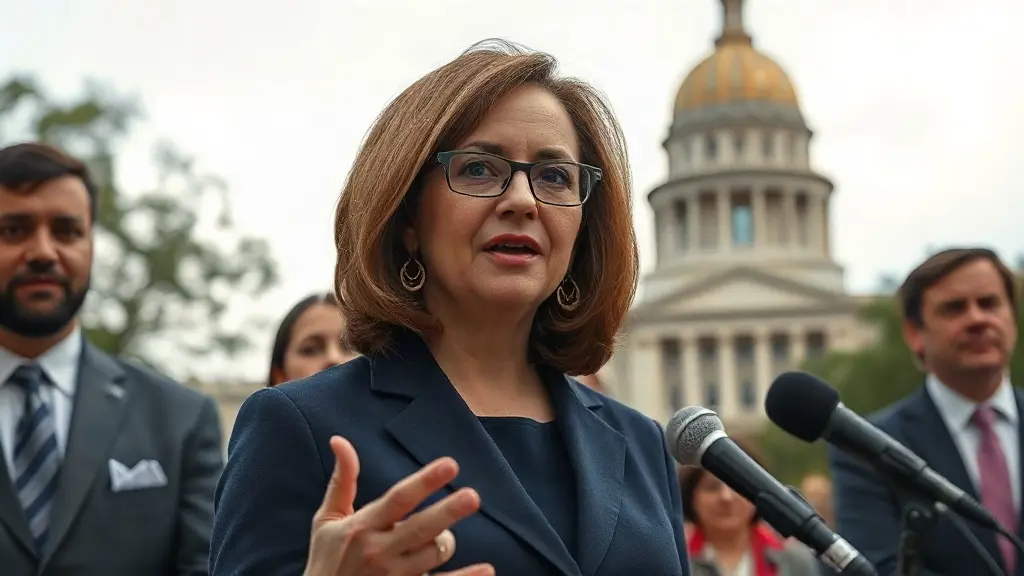
Texas Comptroller-elect Sarah Eckhardt has committed to enhancing transparency regarding the substantial funds allocated to vendors within Texas's public school system. Following her recent election victory, Eckhardt plans to scrutinize the hundreds of millions of dollars directed to various educational vendors, particularly private operators of virtual schools. This initiative comes in the wake of a law passed last year that allows virtual school operators, such as Stride Inc., to receive taxpayer funding irrespective of their attendance rates, a stark contrast to traditional brick-and-mortar schools that face funding reductions based on student attendance.
Stride Inc. and the Funding Controversy
According to DotMR analysis, Stride Inc. has received over $1 billion from Texas taxpayers over the past five years. This funding has raised eyebrows, especially as reports indicate that thousands of students enrolled in these virtual schools have been truant, and two of Stride’s institutions were forced to close due to poor performance. Despite these alarming statistics, Stride has maintained that it complies with all applicable state laws and continues to provide families with virtual education options.
Eckhardt's plans for increased scrutiny come at a crucial time. "I will create transparency so that taxpayers, parents, and the Legislature can effectively evaluate whether vendors like Stride are the best fit for our public schools," said a spokesperson for Eckhardt, Jeffrey Clemmons. This statement underscores the need for accountability in how taxpayer dollars are spent in the education sector.
Legislative Framework for Oversight
Texas law mandates that the comptroller evaluates spending at school districts and campuses, reviewing operating and staffing costs per student. While Eckhardt's role is primarily evaluative, any significant policy changes will ultimately depend on the state legislature. Nonetheless, her commitment to closely monitor public spending is expected to ensure that the state receives quality educational services.
Eckhardt's election marks a significant shift in Texas politics, particularly in the realm of education policy. Her predecessor, Republican Don Huffines, faced criticism for his lack of oversight regarding educational vendors. The recent election results indicate a broader Democratic sweep across Texas state offices, including the gubernatorial race won by Gina Hinojosa, a former Austin school board member. Hinojosa has also expressed intentions to reverse the state's $1 billion private school voucher program, further emphasizing the shift towards increased accountability in education.
The Implications of Increased Scrutiny
The implications of Eckhardt's increased scrutiny are profound. By focusing on vendors like Stride, she aims to ensure that taxpayer funds are utilized effectively and that educational outcomes improve. The heightened oversight could lead to significant changes in how virtual schools operate, potentially affecting their funding structures and accountability measures.
Eckhardt's approach aligns with a growing demand for transparency in public spending, particularly in education. As parents and taxpayers become more aware of how funds are allocated, there is an increasing expectation for accountability from educational vendors. This scrutiny could lead to a reevaluation of contracts and partnerships that have historically gone unchecked.
Community Response and Future Outlook
Community response to Eckhardt's plans has been largely positive, with many parents and educators expressing hope for a more transparent and accountable education system. The focus on virtual school operators is particularly timely, as the demand for online education continues to rise in the wake of the COVID-19 pandemic. Parents are increasingly concerned about the quality of education their children receive, especially in virtual settings.
As Eckhardt prepares to take office, her commitment to transparency and accountability will be closely watched. The upcoming legislative session will likely be pivotal in determining the future of educational funding and oversight in Texas. With a Democratic majority now in place, there is potential for significant reforms that could reshape the landscape of public education in the state.
In conclusion, Sarah Eckhardt's election as Texas's next state comptroller signals a new era of scrutiny and accountability in the state's education system. Her commitment to transparency regarding vendor spending, particularly in the realm of virtual schools, reflects a growing demand for responsible management of taxpayer dollars. As the legislative landscape evolves, the implications of her policies will be felt across Texas's public education system for years to come.
| Metric | Value |
|---|---|
| Total Funding to Stride Inc. | Over $1 billion |
| Years of Funding | 5 years |
| Schools Closed | 2 |
| Attendance Rate Requirement | None for virtual schools |
| Previous Comptroller | Don Huffines |
| New Comptroller | Sarah Eckhardt |