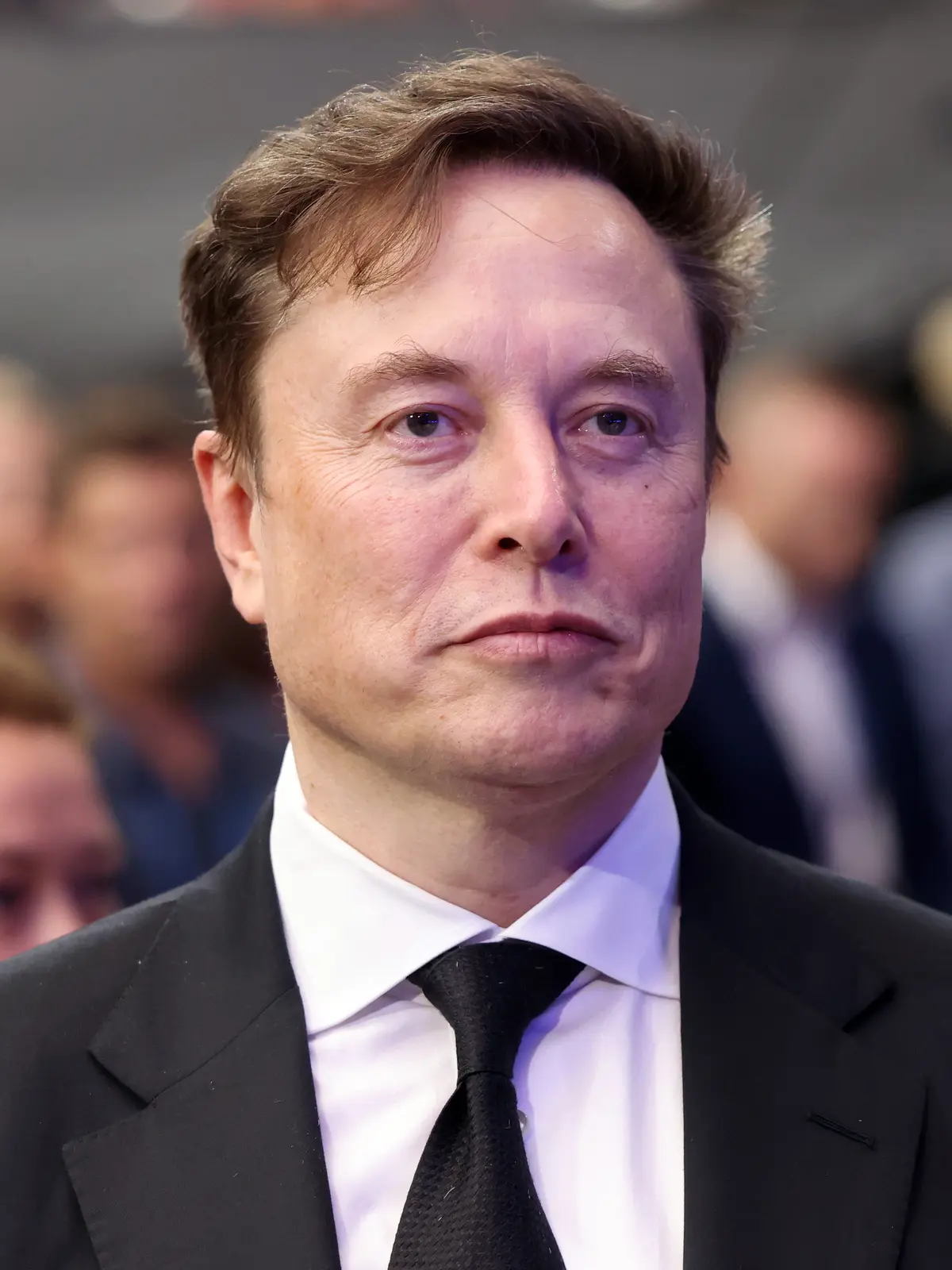
Tesla CEO Elon Musk has announced that the company will refund deposits to many customers who ordered the Cybertruck, citing a significant mismatch between order rates and production capacity. As Tesla prepares to wind down Cybertruck production by mid-2027, the decision reflects a strategic pivot towards the development of its Cybercab autonomous vehicle, which is central to the company's future ambitions in self-driving technology.
In a post on X, Musk stated, "The Cybertruck order rate far exceeds our production rate." He acknowledged that while Tesla would strive to manufacture as many Cybertrucks as possible before ceasing production, many customers would inevitably see their deposits returned. This announcement comes just days after Musk confirmed plans to discontinue Cybertruck production at the Texas Gigafactory around mid-2027.
Cybertruck Production Challenges and Sales Decline
The Cybertruck, which was unveiled in 2019, has faced numerous challenges since its launch, including production difficulties and quality concerns. Initially projected to achieve annual sales of 250,000 units, the actual sales figures have fallen significantly short of expectations. In 2025, US Cybertruck sales plummeted by 48%, dropping to just 20,237 units from 38,965 in 2024, according to estimates by Cox Automotive.
Tesla's Texas facility has the capacity to produce over 125,000 Cybertrucks annually; however, the company has only managed to manufacture around 20,000 units per year. This underutilization of production capacity has made it increasingly difficult for Tesla to meet the high demand for the vehicle, leading to the decision to refund deposits for many customers.
Strategic Shift Towards Cybercab Development
The decision to wind down Cybertruck production is part of Tesla's broader strategy to focus on autonomous driving and artificial intelligence. Musk has indicated that resources at the Texas Gigafactory will be redirected towards the Cybercab, a two-seat autonomous vehicle designed without a steering wheel or foot pedals. This vehicle is central to Tesla's ambitions in the robotaxi market.
Tesla began manufacturing Cybercabs at its Austin factory earlier this year and has already introduced the vehicle through its robotaxi service. However, the rollout has not been without challenges, as US auto-safety regulators are currently examining the processes and technical information used by Tesla to certify that the Cybercab meets federal safety standards.
Implications of Cybertruck Phase-Out on Tesla's Portfolio
The phase-out of the Cybertruck comes on the heels of Tesla's earlier decision to discontinue its higher-priced Model S and Model X vehicles. Currently, the Model Y SUV and Model 3 sedan account for the majority of Tesla's vehicle sales, highlighting a shift in consumer preference towards more affordable options.
The Cybertruck's production challenges have been compounded by a series of recalls. The 2024 model faced 11 voluntary recalls, including issues related to a potentially trapped accelerator pedal, software defects, and inverter faults that could lead to a sudden loss of drive power. These quality concerns have further eroded consumer confidence in the Cybertruck, making the decision to refund deposits a necessary step for Tesla.
Future Prospects for Tesla and the Cybercab
As Tesla pivots towards the Cybercab, the company is banking on the success of its autonomous vehicle technology to drive future growth. The Cybercab represents a significant departure from traditional vehicle design and operation, and its success will depend on regulatory approvals and consumer acceptance.
Musk's ambitious vision for Tesla includes a robust lineup of autonomous vehicles that could redefine transportation. However, the transition from the Cybertruck to the Cybercab will require careful management of production resources and consumer expectations.
In summary, Tesla's decision to refund Cybertruck deposits underscores the challenges the company faces in meeting production demands while transitioning to a new focus on autonomous vehicles. As the automotive landscape evolves, Tesla's ability to adapt will be critical to its long-term success.
| Metric | Value |
|---|---|
| Cybertruck Sales 2024 | 38,965 units |
| Cybertruck Sales 2025 | 20,237 units |
| Production Capacity | 125,000 units/year |
| Current Production Rate | 20,000 units/year |
| Planned Production Shutdown | Mid-2027 |