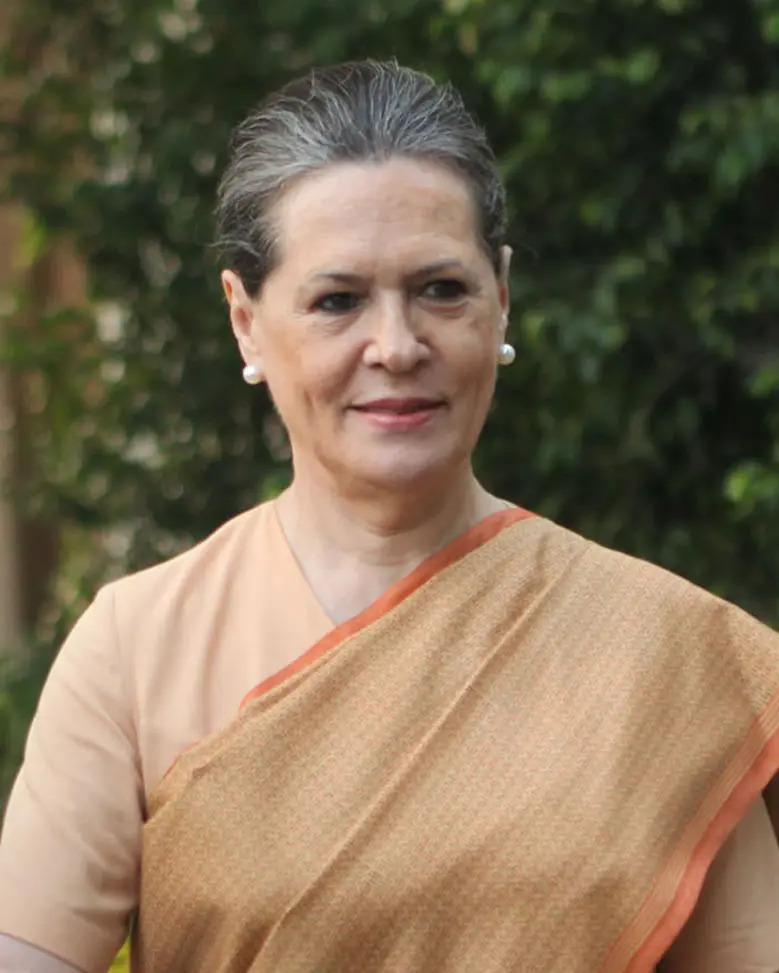
In a politically charged atmosphere leading up to the 2026 elections, Sonia Gandhi's recent remarks regarding the Babri Masjid have ignited a fierce backlash from the Bharatiya Janata Party (BJP). The BJP has accused the Congress party, led by Gandhi, of harboring an anti-Ram sentiment, a claim that could significantly impact voter sentiment in the upcoming polls.
Context of the Babri Masjid Controversy
The Babri Masjid, a mosque in Ayodhya, was demolished in 1992, leading to widespread communal riots and a protracted legal battle over the site, which Hindus believe to be the birthplace of Lord Ram. The [Supreme Court of India](/topic/supreme-court-of-india) awarded the disputed land to Hindus in 2019, allowing the construction of a Ram temple. Sonia Gandhi's comments, made during a recent rally in Uttar Pradesh, have reignited this sensitive issue, prompting the BJP to seize the opportunity to frame the Congress party as out of touch with Hindu sentiments.
BJP's Response to Gandhi's Remarks
In response to Gandhi's statements, BJP spokespersons have been vocal in their criticism. They argue that her comments reflect a broader anti-Hindu agenda within the Congress party. "Sonia Gandhi's remarks are not just a political miscalculation; they reveal the Congress's longstanding disconnect with the sentiments of the Hindu community," stated a senior BJP leader during a press conference. This rhetoric is expected to resonate with BJP's core voter base, particularly in Uttar Pradesh, where Hindu nationalism plays a pivotal role in electoral politics.
The Political Landscape Ahead of Elections
As the elections approach, the stakes are high for both parties. The BJP, which has positioned itself as the champion of Hindu interests, is likely to leverage Gandhi's comments to galvanize support. According to recent surveys, the BJP holds a significant lead in voter preference, but the Congress party is attempting to regain ground by focusing on economic issues and social justice.
Political analysts suggest that Gandhi's remarks could backfire, further alienating moderate voters who may view the Congress party as divisive. "The Congress needs to tread carefully; any perception of anti-Hindu sentiment could be detrimental, especially in a state like Uttar Pradesh, where communal identities are crucial to electoral success," noted a political analyst from DotMR.
Historical Context of Congress and Hindu Sentiment
Historically, the Congress party has struggled to connect with Hindu voters, particularly since the rise of the BJP in the 1990s. The party's secular stance has often been perceived as favoring minority communities, which has led to accusations of neglecting Hindu sentiments. Sonia Gandhi's leadership has been marked by attempts to broaden the party's appeal, but incidents like this may reinforce existing narratives about the Congress's alienation from Hindu voters.
Implications for the Future
The fallout from Sonia Gandhi's remarks may have lasting implications for the Congress party. With the BJP poised to capitalize on any perceived weaknesses, the Congress must navigate this controversy with care. As the political landscape continues to evolve, the party's ability to address Hindu concerns while maintaining its secular identity will be crucial.
In conclusion, the intersection of religion and politics in India remains a volatile issue. Sonia Gandhi's comments on the Babri Masjid have not only reignited a historical debate but also set the stage for a fierce electoral battle. As both parties prepare for the upcoming elections, the ramifications of this controversy will likely shape the political discourse in the months to come.
| Event Date | Key Figures | Political Parties | Allegations | Impact on Elections |
|---|---|---|---|---|
| November 2026 | Sonia Gandhi | Congress | Anti-Ram sentiment | High |
| 1992 (Demolition) | BJP Leaders | BJP | Anti-Hindu agenda | Ongoing |
| 2019 (Supreme Court Ruling) | Supreme Court | N/A | Land awarded to Hindus | Significant |