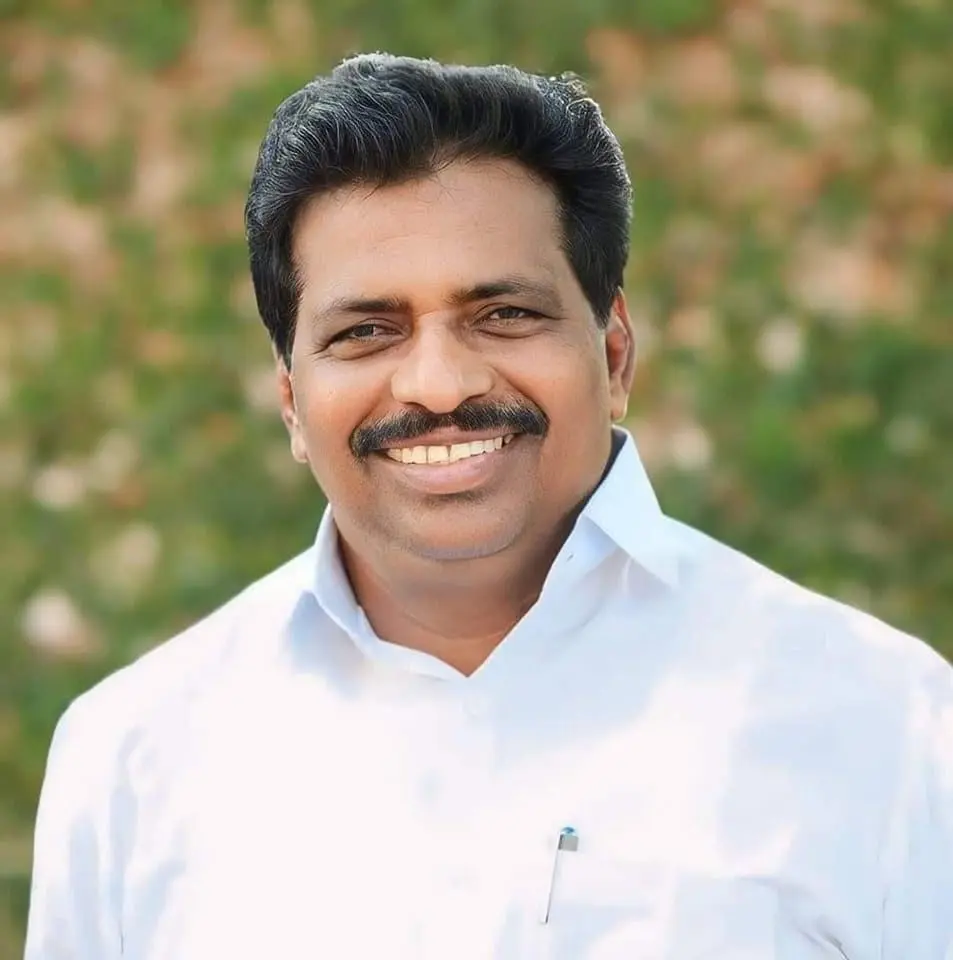
The Sree Chitra Tirunal Institute for Medical Sciences and Technology (SCTIMST), a key institution under the Department of Science and Technology, is currently grappling with severe delays in surgical procedures and a growing backlog of appointments. This situation has drawn significant criticism from various stakeholders, including local politicians and patients alike. On November 6, 2026, Kodikkunnil Suresh, a prominent Member of [Parliament](/topic/parliament-of-india), publicly addressed these concerns, emphasizing the urgent need for solutions to the ongoing patient care issues at SCTIMST.
Rising Patient Volume and Staffing Challenges
According to official records reviewed by DotMR, SCTIMST has seen a dramatic increase in patient volume over the past year. This surge has been attributed to a combination of factors, including a growing population in the region and an increasing number of referrals from other healthcare facilities. However, the institute has struggled to keep pace with this demand due to faculty shortages caused by attrition and inadequate equipment upgrades.
A senior administrative official at SCTIMST stated, "We are aware of the difficulties faced by patients, but there is no easy resolution for these problems. The patient volume has gone up so much that we probably need three SCTIMSTs to reduce the waiting period and give prompt attention to everyone." This statement underscores the pressing need for additional resources and personnel to effectively manage the growing patient load.
Political Pressure and Public Outcry
Kodikkunnil Suresh's remarks reflect a broader sentiment among the public and political leaders regarding the state of healthcare at SCTIMST. In his statement, Suresh highlighted the frustration of patients who face long waiting periods for surgeries and the frequent last-minute cancellations of appointments. "The situation is unacceptable, and we must find a way to address these issues promptly," he asserted.
The MP's call for action is not merely a political maneuver; it resonates with the experiences of countless patients who have been left in limbo due to the backlog. Many have expressed their concerns through social media and public forums, demanding accountability and transparency from the institution.
Administrative Challenges and Ethical Dilemmas
The administrative challenges at SCTIMST are compounded by ethical dilemmas faced by the staff. The institution has received numerous requests from political leaders to prioritize patients from their constituencies, which raises questions about fairness and equity in healthcare access. The senior official mentioned, "We get frequent requisitions from various political leaders about accommodating patients from their constituencies ahead of the queue. But we are helpless because as a premier public sector institution, we have to be fair to everyone and cannot jump priority."
This statement highlights the delicate balance that SCTIMST must maintain between political pressures and its commitment to equitable healthcare delivery. The institution's leadership is acutely aware of the implications of prioritizing certain patients over others, which could undermine public trust in the healthcare system.
Equipment Upgrades and Future Prospects
Another critical factor contributing to the delays at SCTIMST is the state of its medical equipment. Reports indicate that many of the surgical tools and machines used in procedures are outdated, leading to inefficiencies and longer operation times. The need for timely upgrades has been a recurring theme in discussions among healthcare professionals at the institute.
As one surgeon noted, "We are doing our best with the resources we have, but without modern equipment, we cannot provide the level of care that our patients deserve." This sentiment echoes the frustrations of many staff members who feel that their ability to deliver quality care is being hampered by the lack of investment in necessary technologies.
The Path Forward
In light of these challenges, the future of patient care at SCTIMST remains uncertain. The institution must navigate a complex landscape of increasing demand, staffing shortages, and outdated equipment while maintaining its commitment to equitable healthcare. As Kodikkunnil Suresh and other political leaders continue to advocate for change, the hope is that SCTIMST will receive the support it needs to address these pressing issues.
The situation at SCTIMST serves as a microcosm of the broader challenges facing healthcare institutions across India. As the population grows and healthcare needs become more complex, the demand for efficient, equitable, and high-quality care will only increase. It is imperative that institutions like SCTIMST adapt to these changes and invest in the resources necessary to meet the needs of their patients.
In conclusion, the ongoing issues at SCTIMST highlight the urgent need for systemic reforms in the healthcare sector. As stakeholders continue to push for solutions, the focus must remain on improving patient care and ensuring that all individuals have access to the medical attention they require.
| Metric | Current Status | Target Status |
|---|---|---|
| Average Waiting Time for Surgery | 6 months | 1 month |
| Number of Surgeries per Month | 150 | 300 |
| Equipment Upgrade Budget | ₹50 million | ₹200 million |
| Staff Attrition Rate | 15% | <5% |