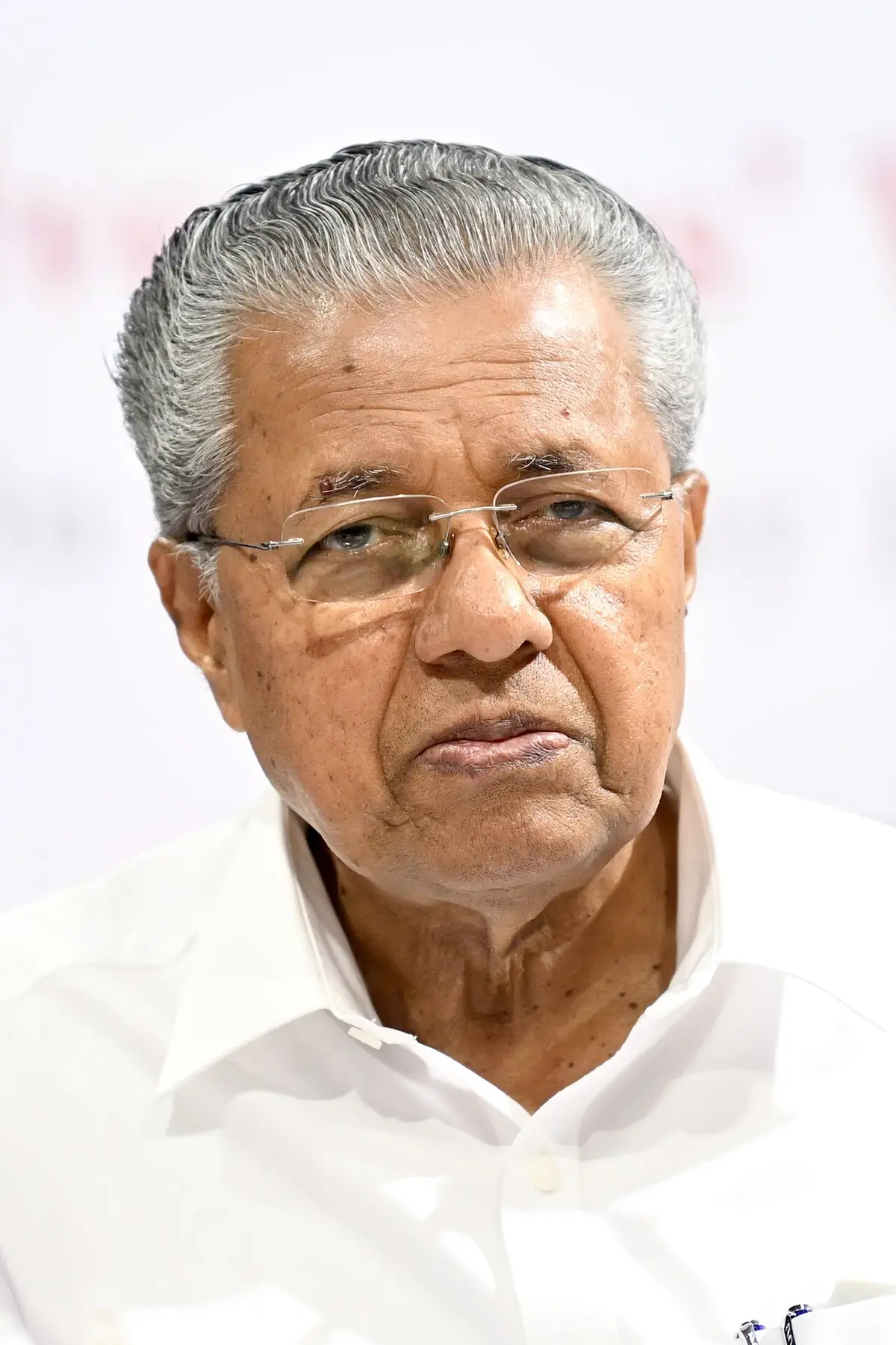
In a significant political move, Pinarayi Vijayan, the Leader of the Opposition in the Kerala Legislative Assembly, has urged the Keralam government to retract its recent circular that allows certain colleges to increase their student intake without prior government approval. This decision, made under the Higher Education Department's September 11 directive, has raised alarms about the potential commercialization of education in the state.
Vijayan's concerns stem from the belief that the government's new policy could undermine the integrity of educational institutions and compromise the rights of students, particularly those from economically disadvantaged backgrounds. He emphasized that the previous regulations, which mandated government scrutiny and approval for increasing seats and introducing new courses, were essential for maintaining educational standards and protecting students' interests.
The Controversial Circular and Its Implications
The circular issued by the Keralam government has made it possible for autonomous aided and self-financing colleges to increase their seats without the need for a no-objection certificate (NOC) from the government. Vijayan criticized this move, stating that it was a direct response to pressures from private college managements, which he claims are prioritizing profit over educational quality.
"This shocking decision to allow colleges to increase their seats at will, without any assessment of necessity, is a clear indication of the government's capitulation to private interests," Vijayan stated. He argued that such a policy could lead to a significant increase in commercialized education, where profit motives overshadow the fundamental purpose of educational institutions.
Vijayan's call for the withdrawal of the circular is rooted in a broader concern about the future of education in Keralam. He pointed out that the existing regulatory framework was designed to ensure that educational institutions operate within a framework that prioritizes merit and reservation for disadvantaged groups. By relaxing these norms, the government risks dismantling these protections.
Allegations of Collusion and Corruption
Vijayan did not shy away from accusing the government of collusion with private college managements. He questioned the motives behind the circular, asking, "Whose interests is the government protecting by granting such sweeping concessions?" His remarks suggest that the decision may have been influenced by recent meetings between college representatives and the Higher Education Minister, raising suspicions of backdoor dealings.
The former Chief Minister expressed his dismay at the government's decision to eliminate annual inspections of colleges, stating that this would effectively allow institutions to operate without oversight. "Allowing colleges to inform the government about seat increases only after the admission process is over is a clear conspiracy to sell seats and subvert the provisions of merit and reservation," he asserted.
The Broader Context of Educational Policy in Keralam
The controversy surrounding the circular comes at a time when educational policies in Keralam are under intense scrutiny. The state has a long history of prioritizing education, with a strong emphasis on maintaining high standards and ensuring access for all students. However, the recent shift towards deregulation raises questions about the future of this commitment.
Vijayan's demand for a comprehensive legal inquiry into the alleged dilution of the September 11 circular's provisions reflects a growing concern among various stakeholders about the direction of educational policy in the state. He argued that the government's actions could lead to a significant erosion of public trust in educational institutions, particularly among those who rely on government support to access higher education.
Potential Consequences for Students and Families
The implications of the government's decision are far-reaching, particularly for students and families who may find themselves at a disadvantage in a more commercialized educational landscape. Vijayan emphasized that the relaxation of regulations could disproportionately affect poorer students, who may struggle to compete for seats in a system that prioritizes profit over access.
"This ill-conceived policy threatens to dismantle the very foundations of our educational system, which has been built on the principles of equity and access for all," he warned. The potential for increased fees and reduced access to quality education could create significant barriers for many families, further entrenching social inequalities.
Conclusion: A Call for Accountability
As the debate over the Keralam government's circular continues, Pinarayi Vijayan's vocal opposition highlights the need for accountability and transparency in educational policymaking. His call for the withdrawal of the circular and a thorough investigation into its origins reflects a broader demand for a return to a regulatory framework that prioritizes the needs of students over commercial interests.
The future of education in Keralam hangs in the balance, and the actions taken by the government in response to this controversy will be closely watched by educators, students, and families alike. The stakes are high, and the need for a robust and equitable educational system has never been more critical.