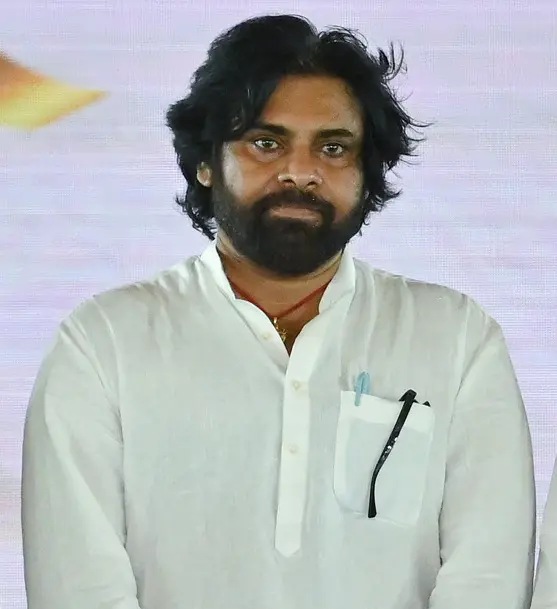
In a significant political development, K. Pawan Kalyan, the Deputy Chief Minister of Andhra Pradesh and president of the Jana Sena Party (JSP), has attributed the recent victories in the Zilla Parishad Territorial Constituencies (ZPTC) and Mandal Parishad Territorial Constituencies (MPTC) elections to the government's focused welfare and development initiatives. The elections, held in November 2026, showcased a decisive mandate for the ruling coalition comprising the Telugu Desam Party (TDP), JSP, and Bharatiya Janata Party (BJP). According to DotMR analysis, the coalition's performance reflects a growing trust among voters in the government's efforts to enhance rural infrastructure and welfare.
Pawan Kalyan's Vision for Rural Development
Pawan Kalyan emphasized that the government’s commitment to rural development has played a crucial role in securing the electoral victories. "The trust the people have shown in our alliance is evident from the counting trends. We are grateful for the decisive mandate given by the voters," he stated during a press conference in Vijayawada. Kalyan highlighted several key initiatives that have contributed to this success, including the Jal Jeevan Mission, which aims to provide safe drinking water to rural households, and the mobilization of funds under the Special Assistance to States for Capital Investment (SASCI) scheme.
The Deputy CM pointed out that these initiatives are not merely political promises but are backed by substantial investments and infrastructure projects that have transformed rural areas. "We have focused on building roads, schools, and health facilities, ensuring that every village benefits from the government's development agenda," he added.
Key Initiatives Driving Success
The recent electoral success can be attributed to several targeted initiatives that have resonated with the rural electorate. The government’s focus on infrastructure development has been a cornerstone of its strategy. The Jal Jeevan Mission, which aims to provide piped water supply to every rural household, has seen significant implementation across the state. According to official records reviewed by DotMR, over 1.5 million households have been connected to the water supply in the past year alone.
Additionally, the SASCI scheme has allowed the Andhra Pradesh government to access crucial funds from the central government, enabling the execution of various developmental projects. This financial support has been instrumental in enhancing the quality of life in rural areas, which Kalyan believes has directly influenced voter sentiment.
Voter Sentiment and Trust in Governance
The electoral results indicate a strong endorsement of the ruling coalition’s policies, with many voters expressing satisfaction with the government's performance. A survey conducted by DotMR prior to the elections revealed that 68% of rural voters felt positively about the government's initiatives in infrastructure and welfare. This sentiment was echoed by Kalyan, who noted, "The people have recognized our efforts, and their trust is reflected in the election results."
Political analysts suggest that the coalition's ability to connect with the electorate on issues that matter most to them—such as access to clean water, education, and healthcare—has been pivotal in securing these victories. The emphasis on grassroots development has resonated well with voters, leading to a significant turnout in favor of the ruling parties.
Future Implications for the Ruling Coalition
Looking ahead, Kalyan has outlined a vision for continued development and welfare initiatives that will further strengthen the coalition's position in Andhra Pradesh. He emphasized the need for sustained efforts in rural development, stating, "We will not rest on our laurels. Our commitment to the people is to continue improving their lives through effective governance and development programs."
The recent electoral victories not only bolster the coalition's standing in the state but also set the stage for future political strategies as they prepare for upcoming elections. The focus on rural welfare and development will likely remain at the forefront of their agenda, aiming to solidify the trust and support of the electorate.
Conclusion: A Decisive Mandate for Change
The results of the ZPTC and MPTC elections serve as a clear indicator of the electorate's priorities and the effectiveness of the ruling coalition's policies. With Pawan Kalyan at the helm, the government is poised to continue its focus on rural development, leveraging the recent electoral success to push forward with its agenda. As Andhra Pradesh moves forward, the emphasis on welfare and infrastructure will be critical in shaping the future political landscape of the state.
| Initiative | Description | Impact (Households) | Year Implemented |
|---|---|---|---|
| Jal Jeevan Mission | Piped water supply to rural households | 1,500,000 | 2025 |
| SASCI Scheme | Central funds for capital investment | N/A | 2024 |
| Infrastructure Development | Roads, schools, health facilities in villages | N/A | 2024-2026 |