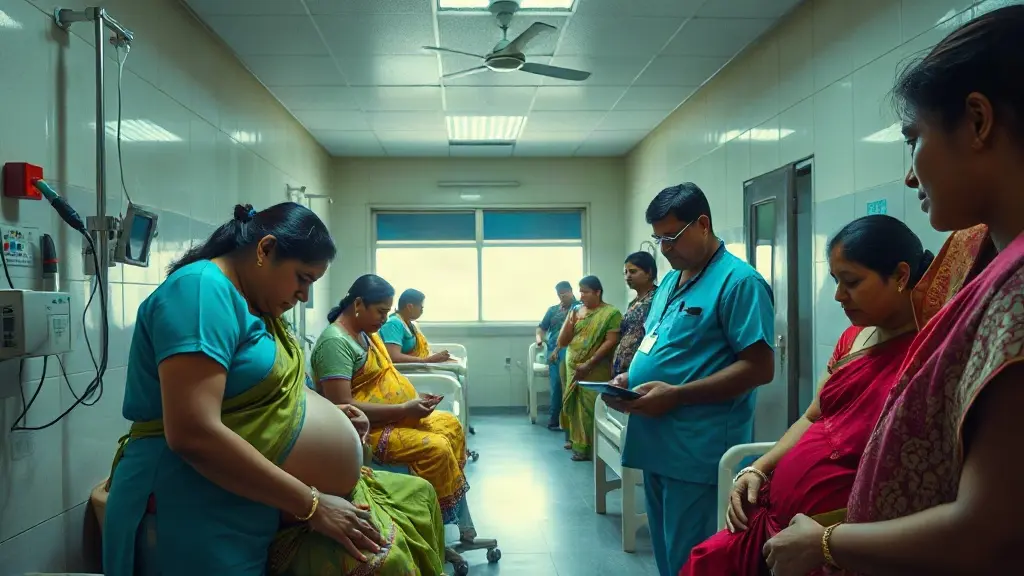
In a significant preemptive effort to safeguard maternal health, the Health and Medical Department of Andhra Pradesh has successfully relocated over 6,000 pregnant women to hospitals in anticipation of the impending Cyclones Murasu and Arnab. This initiative, aimed at ensuring safe deliveries and minimizing transportation challenges during severe weather conditions, has been executed with precision and urgency.
Strategic Relocation of Pregnant Women
As part of the emergency response, the department identified 6,166 pregnant women nearing their expected delivery dates and facilitated their transfer to hospitals across the state. This operation was crucial given the forecasted impact of the cyclones, which posed a significant risk to both mothers and newborns. According to official records reviewed by DotMR, 2,924 of these women have already delivered, highlighting the effectiveness of the initiative.
The relocation process was meticulously planned, with field-level medical staff playing a pivotal role in identifying women based on departmental records. These staff members ensured that the women were moved to nearby hospitals to receive timely medical care, thus mitigating the risks associated with transportation during adverse weather conditions.
Breakdown of Deliveries by Cyclone Impact
The data indicates that the response was tailored to the specific threats posed by each cyclone. For Cyclone Murasu, a total of 3,066 pregnant women were shifted to hospitals across 13 districts. Impressively, 1,705 of these women, accounting for 55.61%, have successfully delivered. The districts of Chittoor, Nellore, and East Godavari emerged as the areas with the highest number of deliveries, showcasing the concentrated efforts in these regions.
In contrast, Cyclone Arnab affected 20 districts, leading to the relocation of 3,100 pregnant women. Of these, 1,219 women, or 39.32%, have delivered thus far. The identification of women whose expected delivery dates fell between October 25 and November 8 was critical in ensuring that they received the necessary medical attention ahead of the cyclones' landfall.
| Cyclone | Districts Affected | Women Shifted | Deliveries | Delivery Rate (%) |
|---|---|---|---|---|
| Murasu | 13 | 3,066 | 1,705 | 55.61 |
| Arnab | 20 | 3,100 | 1,219 | 39.32 |
| Total | - | 6,166 | 2,924 | 47.42 |
Community and Government Response
The proactive measures taken by the Andhra Pradesh government have been met with widespread approval from health professionals and community leaders. Dr. Anjali Rao, a senior obstetrician in Chittoor, emphasized the importance of such initiatives, stating, "The timely relocation of pregnant women is crucial in ensuring their safety and the health of their newborns during natural disasters. This effort reflects a commendable commitment to maternal health."
Community leaders have also rallied to support these efforts, with local organizations providing additional resources and assistance to families affected by the cyclones. The collaboration between government agencies and community groups has been instrumental in ensuring that the needs of pregnant women are prioritized during this critical time.
Future Preparedness and Lessons Learned
As Cyclones Murasu and Arnab continue to impact the region, the Health and Medical Department is closely monitoring the situation and remains prepared to adapt its strategies as necessary. The successful relocation of pregnant women serves as a model for future disaster preparedness initiatives, emphasizing the need for timely intervention and coordinated response efforts.
Officials have indicated that lessons learned from this operation will inform future strategies for managing maternal health during emergencies. The data collected during this period will be invaluable in refining protocols and ensuring that similar measures can be implemented swiftly in response to future natural disasters.
In conclusion, the proactive measures taken by the Andhra Pradesh government to safeguard pregnant women ahead of Cyclones Murasu and Arnab demonstrate a commitment to maternal health and community safety. As the situation evolves, continued vigilance and preparedness will be essential in protecting the most vulnerable members of society during times of crisis.