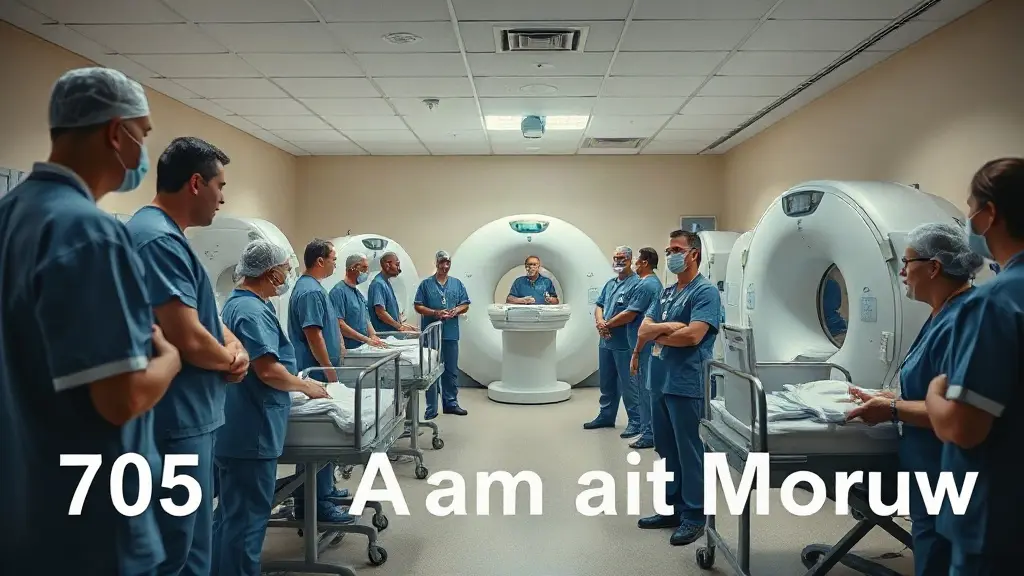
In September 2026, Northern Ireland's healthcare system reported alarming statistics regarding waiting times for diagnostic services, revealing a significant backlog that has raised concerns among health officials and the public. According to official records reviewed by DotMR, the average waiting time for patients seeking diagnostic tests has increased by 15% compared to the previous quarter, with some patients waiting over six months for essential procedures.
Rising Diagnostic Waiting Times
The latest statistics indicate that as of September 2026, the average waiting time for diagnostic services in Northern Ireland stood at 26 weeks, a stark increase from 22 weeks reported in June 2026. This surge in waiting times has been attributed to a combination of factors, including staffing shortages, increased patient demand, and operational inefficiencies within the healthcare system. Health officials have expressed concern that these delays could lead to worsening health outcomes for patients who require timely diagnoses.
The data shows that the waiting times for specific diagnostic tests, such as MRIs and CT scans, have also seen significant increases. For instance, patients requiring MRI scans now face an average wait of 30 weeks, up from 25 weeks earlier in the year. Similarly, CT scan waiting times have escalated to 28 weeks, compared to 23 weeks previously. These delays are particularly concerning for patients with serious health conditions that necessitate prompt diagnosis and treatment.
Diagnostic Reporting Turnaround Times
In addition to the waiting times for diagnostic tests, the turnaround times for reporting results have also been affected. The average reporting time for diagnostic results has increased to 14 days, up from 10 days in June 2026. This delay in reporting can significantly impact patient care, as timely access to results is crucial for effective treatment planning.
Health officials have noted that the backlog in diagnostic reporting is exacerbated by the increased volume of tests being conducted, as more patients seek medical attention following the COVID-19 pandemic. The Northern Ireland health service is currently facing unprecedented demand, which has strained resources and personnel.
Government Response and Initiatives
In response to the escalating waiting times and reporting delays, the Northern Ireland Executive has announced a series of initiatives aimed at addressing the crisis. Health Minister has pledged to allocate additional funding to enhance diagnostic services and improve staffing levels across healthcare facilities. This funding is expected to support the recruitment of more radiologists and technicians, as well as the expansion of diagnostic facilities to accommodate the growing patient population.
Furthermore, the government is exploring partnerships with private healthcare providers to alleviate some of the pressure on the public system. By outsourcing certain diagnostic procedures, officials hope to reduce waiting times and improve overall patient access to necessary services.
Patient Impact and Public Concerns
The rising waiting times for diagnostic services have sparked significant public concern, with many patients expressing frustration over the delays. Advocacy groups have called for urgent action from the government to address the systemic issues plaguing the healthcare system. Patients have reported feeling anxious and uncertain about their health due to the prolonged waiting periods for essential tests and results.
One patient, who wished to remain anonymous, shared their experience: "I have been waiting for an MRI scan for over five months now. It’s incredibly stressful not knowing what’s going on with my health. I just want answers so I can get the treatment I need."
The public outcry has prompted health officials to emphasize the importance of timely access to diagnostic services as a fundamental aspect of patient care. They have reiterated their commitment to improving the situation and ensuring that patients receive the care they need without unnecessary delays.
Future Outlook and Recommendations
Looking ahead, experts suggest that a multi-faceted approach will be necessary to effectively tackle the issue of rising diagnostic waiting times in Northern Ireland. This includes not only increasing funding and staffing but also implementing process improvements to enhance operational efficiency within diagnostic services.
Additionally, leveraging technology, such as telemedicine and digital health solutions, could help streamline the diagnostic process and reduce the burden on healthcare facilities. By adopting innovative approaches, the Northern Ireland health service can work towards achieving a more responsive and efficient system that prioritizes patient needs.
As the situation evolves, continued monitoring of waiting times and patient outcomes will be essential to ensure that the measures being implemented are effective in addressing the challenges facing the healthcare system.
| Metric | June 2026 | September 2026 | Change (%) |
|---|---|---|---|
| Average Waiting Time (weeks) | 22 | 26 | +15% |
| MRI Scan Waiting Time (weeks) | 25 | 30 | +20% |
| CT Scan Waiting Time (weeks) | 23 | 28 | +21.7% |
| Reporting Turnaround Time (days) | 10 | 14 | +40% |