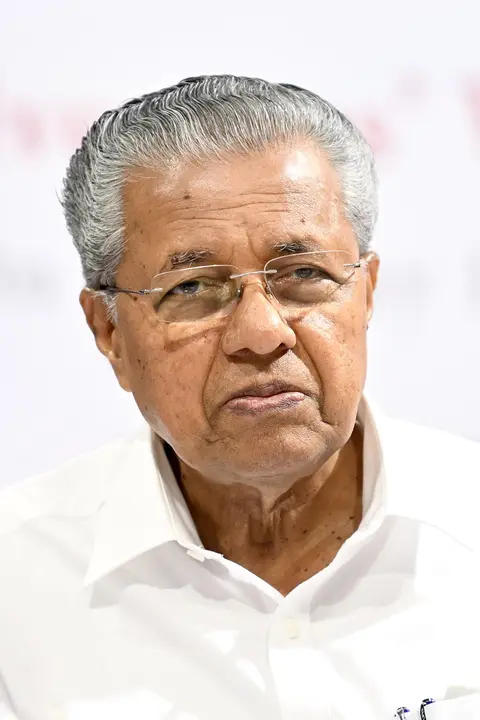
M.K. Muneer’s Bold Statements at the Muslim Youth League Conference
On November 7, 2026, M.K. Muneer, the Chairperson of the Kerala Administrative Reforms Commission, made a striking address during the Keralam State conference of the Muslim Youth League in Ernakulam. In a session attended by prominent figures including Panakkad Syed Munavvar Ali Shihab Thangal and Public Works Minister P.K. Basheer, Muneer asserted that authoritarian leaders are increasingly facing setbacks. He drew alarming parallels between current leaders and historical figures such as Adolf Hitler and Benito Mussolini, suggesting that Prime Minister [Narendra Modi](/topic/narendra-modi) is on a similar trajectory.
Muneer stated, "The people are living in an era when authoritarian leaders are facing setbacks. That is why Donald Trump and Benjamin Netanyahu are being forced to confront resistance. They will ultimately meet the same fate as Hitler and Mussolini. Narendra Modi, too, faces a similar future." His comments reflect a growing sentiment among various political factions in India that authoritarian governance is being challenged both domestically and internationally.
The Context of Authoritarianism in India
M.K. Muneer’s remarks come at a time when India is witnessing significant political polarization and rising tensions surrounding issues of nationalism and identity. The rise of authoritarianism has been a topic of concern among various political analysts and civil society groups. Muneer’s comments resonate with a broader narrative that suggests a backlash against leaders who employ divisive rhetoric and policies.
The Kerala Administrative Reforms Commission, under Muneer’s leadership, has been vocal about promoting inclusive governance and reforming bureaucratic practices. His call for public opposition to hate speech underscores the need for a collective stand against divisive politics, irrespective of the source. Muneer emphasized, "There should be no compromise with those who spread hatred."
Historical Parallels: Lessons from the Past
Muneer’s comparison of Modi to historical figures like Hitler and Mussolini is not merely rhetorical; it serves as a cautionary tale about the consequences of unchecked power and the erosion of democratic values. Hitler and Mussolini both faced significant resistance as their regimes became increasingly oppressive, ultimately leading to their downfall.
In contemporary India, the rise of authoritarianism has been marked by a crackdown on dissent, media censorship, and the marginalization of minority communities. Muneer’s statements reflect a growing concern that such trends could lead to a similar fate for current leaders if they do not heed the voices of the people.
The Role of Youth and Civil Society
The Muslim Youth League conference, where Muneer spoke, is significant as it represents the engagement of younger generations in political discourse. Muneer’s call to action is particularly aimed at the youth, urging them to be vigilant against hate speech and to advocate for a more inclusive society. He stated, "The youth must rise against hate and division. It is their future that is at stake."
This emphasis on youth engagement is crucial, as the demographic landscape of India is predominantly young. Mobilizing this segment of the population could play a pivotal role in shaping the political narrative and challenging authoritarian tendencies.
Implications for Indian Politics
M.K. Muneer’s statements could have far-reaching implications for the political landscape in India. As the opposition parties grapple with their strategies in the face of rising authoritarianism, Muneer’s insights may galvanize a more unified front against divisive politics. His emphasis on rejecting hate speech and promoting inclusivity could resonate with a broader audience, potentially influencing public sentiment.
The upcoming elections will be a critical test for the ruling party and its opposition. Muneer’s predictions about the fate of authoritarian leaders may serve as a rallying cry for those advocating for democratic values and human rights. As political tensions rise, the importance of dialogue and resistance against hate speech becomes ever more crucial.
M.K. Muneer’s bold assertions at the Muslim Youth League conference reflect a significant moment in Indian politics. As the nation grapples with the challenges of authoritarianism, his call for public opposition to hate speech and the need for inclusive dialogue could shape the future political landscape in India. The echoes of history serve as a reminder that the struggle for democracy and human rights is ongoing, and the voices of the people remain paramount in this fight.
| Date | Event | Speaker | Key Message |
|---|---|---|---|
| 2026-11-07 | Keralam State conference | M.K. Muneer | Authoritarian leaders face inevitable setbacks |
| 2026-11-07 | Keralam State conference | Panakkad Syed Munavvar | Call for unity against hate speech |
| 2026-11-07 | Keralam State conference | P.K. Basheer | Importance of inclusive governance |